

Principles and Working Scene Characteristics of Pneumatic Conveying for Mineral Particle Materials
HeadPowder, a leading engineering company based in Shandong, China, specializes in the design and implementation of pneumatic conveying systems tailored for mineral particle materials. Pneumatic conveying, a method of transporting bulk materials through a pipeline using pressurized or vacuum air, offers a versatile solution for various industrial applications. This technology is particularly effective for mineral particles, which include a wide range of materials such as ores, powders, and granules used in mining, manufacturing, and processing industries.
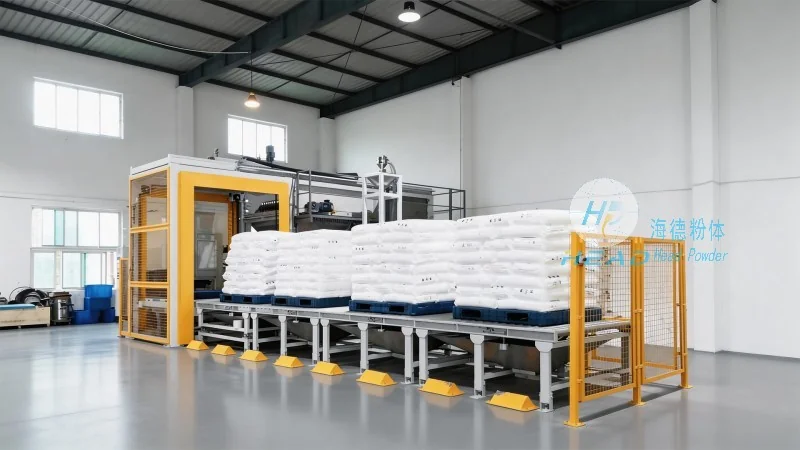
Principles of Pneumatic Conveying
The core principle of pneumatic conveying involves the use of air to move material through a closed system. There are two main types of pneumatic conveying: dilute-phase and dense-phase. Dilute-phase systems use low air velocity to transport material in a suspended state, while dense-phase systems employ higher air pressure to push material in a slurry-like state. For mineral particle materials, the choice between these systems depends on factors such as material characteristics, distance, and required flow rate. HeadPowder engineers carefully evaluate these parameters to select the most suitable conveying method, ensuring efficient and reliable material transport.
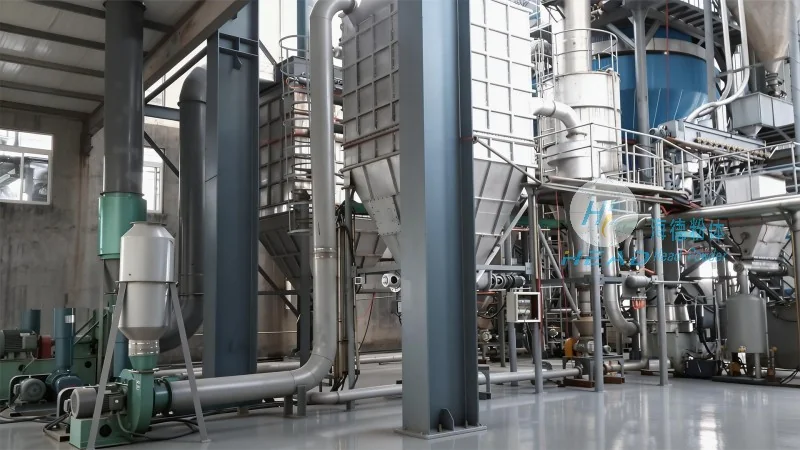
Working Scene Characteristics
The working scene characteristics of pneumatic conveying for mineral particle materials vary based on the specific application and operational environment. In mining operations, for example, pneumatic conveying is used to transport ore from mines to processing plants, often over long distances. The system must handle abrasive and heavy materials, requiring robust equipment and proper maintenance to prevent wear and tear. In manufacturing facilities, such as cement or chemical plants, pneumatic conveying is employed to move raw materials like limestone or clinker to production lines. Here, the system operates under controlled conditions, ensuring consistent material flow and minimizing dust emissions. Additionally, in processing plants, the technology is used to transport finished products or intermediate materials between different stages of production. The flexibility of pneumatic conveying allows it to adapt to diverse working environments, from large-scale industrial sites to smaller processing facilities.
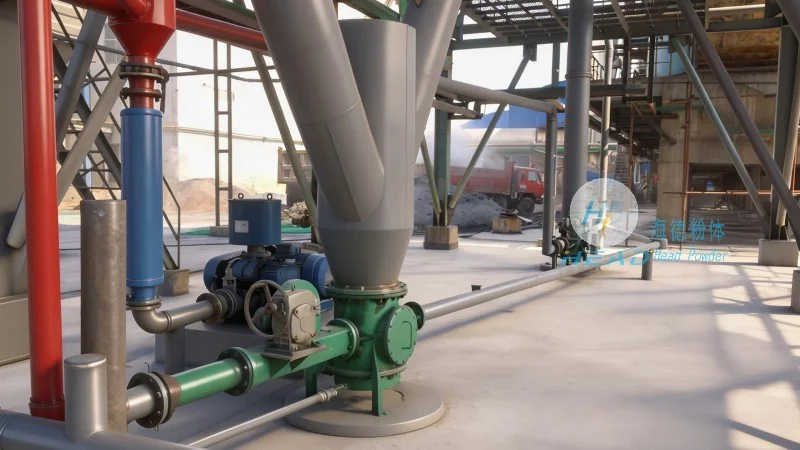
Key Features and Benefits
HeadPowder's pneumatic conveying systems for mineral particle materials offer several key features and benefits that enhance operational efficiency and material handling capabilities. One of the primary advantages is the ability to transport materials in a closed system, which reduces dust pollution and improves workplace safety. This is particularly important for mineral particles, which can be hazardous if released into the air. Additionally, the systems are designed for high reliability and low maintenance, ensuring continuous operation with minimal downtime. The company's engineers also focus on energy efficiency, optimizing air pressure and flow rates to reduce operational costs. Furthermore, the systems are scalable, allowing them to be customized for different material volumes and processing requirements. These features make HeadPowder's pneumatic conveying solutions ideal for a wide range of applications in the mineral processing industry.