

What is a Ternary Lithium Powder Conveying System Equipment? What are its Design Principles?
When it comes to the production of ternary lithium batteries, the efficient and reliable handling of lithium powder is a critical factor that directly impacts the quality and safety of the final product. A ternary lithium powder conveying system equipment is a specialized piece of machinery designed to transport and manage the flow of ternary lithium powder, a key component in modern lithium-ion batteries. This equipment is essential for ensuring that the powder is handled in a controlled environment, minimizing the risk of contamination, dust exposure, and material loss. The design principles behind such systems are rooted in the need for precision, safety, and efficiency, addressing the unique challenges posed by lithium powder's properties, including its fine particle size, chemical reactivity, and potential for static charge.
Company Introduction
HeadPowder, or Shandong HeadPowder Engineering Co., Ltd., is a leading manufacturer specializing in powder handling and conveying solutions. With headquarters located in Shandong, China, the company has established itself as a trusted provider of advanced equipment for the battery and material processing industries. HeadPowder's expertise lies in developing customized systems that meet the specific requirements of clients, ensuring optimal performance and reliability in demanding operational environments. The company's commitment to innovation and quality has enabled it to serve a wide range of industries, including lithium battery production, where the handling of sensitive materials like ternary lithium powder is paramount.
Overview of Ternary Lithium Powder Conveying System Equipment
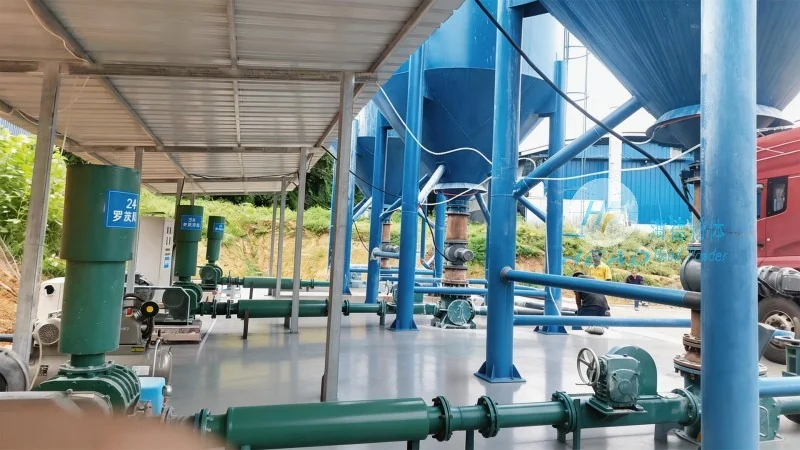
A ternary lithium powder conveying system typically consists of several interconnected components working in tandem to achieve the efficient transport of lithium powder. The core elements include a hopper for material storage, a conveying mechanism (such as screw conveyors, pneumatic systems, or vacuum pumps), and a control system for regulating the flow. The equipment is engineered to handle the fine, powdery nature of ternary lithium, which requires specialized design features to prevent agglomeration, caking, and material degradation. For instance, the hopper is often equipped with agitators or vibrators to maintain material flow and prevent blockages. The conveying mechanism may use low-speed, high-torque motors to minimize particle breakage and ensure a smooth transfer. Additionally, the system incorporates dust collection and filtration systems to maintain a clean and safe working environment, which is crucial given the potential health hazards associated with lithium dust exposure.
Design Principles of the Conveying System
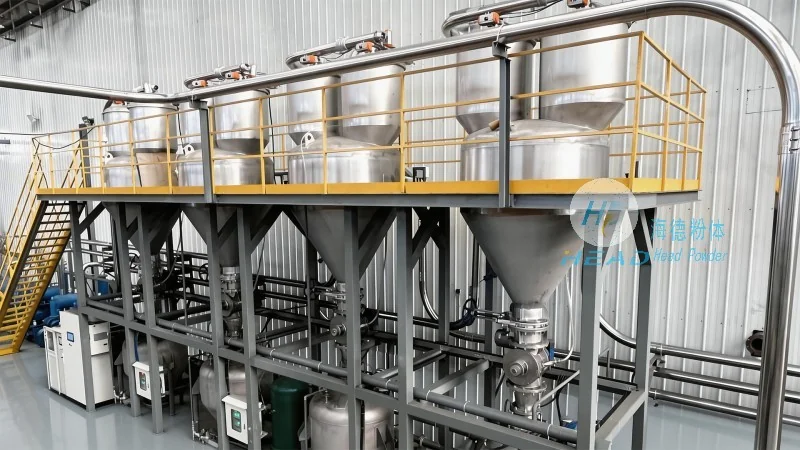
The design principles of a ternary lithium powder conveying system are guided by several key considerations that prioritize safety, efficiency, and material integrity. First, the system must ensure airtight and sealed operation to prevent dust leakage and environmental contamination. This is achieved through the use of high-quality seals, gaskets, and enclosed housing, which also help to mitigate the risk of dust inhalation by operators. Second, the design emphasizes the prevention of static electricity buildup, as lithium powder is highly susceptible to electrostatic discharge (ESD), which can cause sparks and potentially ignite flammable materials. To address this, the equipment incorporates anti-static materials, grounding systems, and conductive components that help to dissipate static charges safely. Third, the system is engineered for minimal material loss and high transfer efficiency. This involves optimizing the conveying speed, ensuring smooth transitions between components, and using wear-resistant materials for parts that come into direct contact with the powder, such as conveyor screws and liners. The control system plays a critical role in maintaining consistent flow rates and preventing overloading, which can lead to equipment damage or material spillage.
Key Features and Functional Aspects
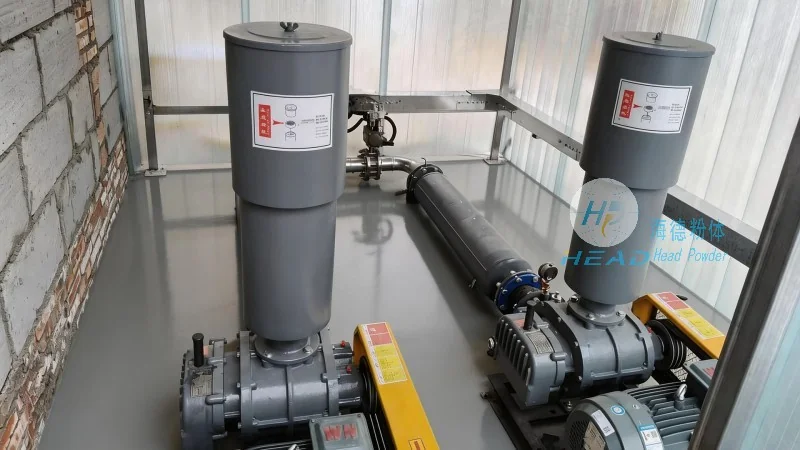
Modern ternary lithium powder conveying systems are equipped with a range of features that enhance their performance and usability. One of the most important features is the ability to handle varying particle sizes and moisture content without compromising the integrity of the powder. The system may include pre-drying or dehumidification units to adjust the powder's moisture levels before transport, ensuring that the material remains stable and free from clumping. Another key feature is the integration of monitoring and diagnostic tools, such as sensors that track flow rates, pressure, and temperature. These sensors provide real-time data to operators, allowing for immediate adjustments if any anomalies are detected. The control system is typically user-friendly, with intuitive interfaces that enable easy operation and maintenance. Additionally, the equipment is designed for easy cleaning and maintenance, with removable components that can be cleaned to prevent cross-contamination between batches. This is particularly important in battery production, where batch-to-batch consistency is critical for product quality.
Application Scenarios and Operational Benefits
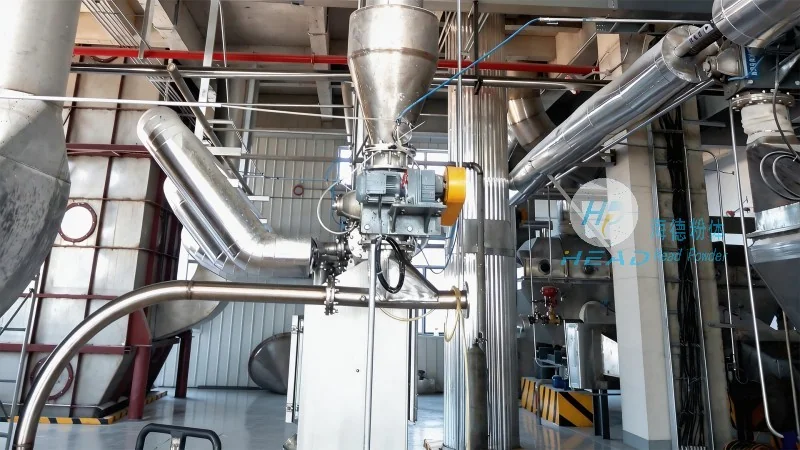
The ternary lithium powder conveying system is widely used in the manufacturing process of lithium-ion batteries, particularly in the stages where raw materials are prepared and transferred to the cell formation line. In these applications, the system ensures that ternary lithium powder is delivered to the mixing and coating processes in a controlled manner, maintaining the powder's purity and preventing contamination from other materials. The operational benefits of using such a system include improved productivity, reduced labor costs, and enhanced safety. By automating the powder handling process, the system minimizes the need for manual handling, which reduces the risk of exposure to dust and other hazards. Additionally, the consistent flow of material ensures that production lines operate smoothly, with fewer interruptions caused by material shortages or blockages. The system also contributes to cost savings by reducing material waste and improving the overall efficiency of the production line. In summary, the ternary lithium powder conveying system is a vital component in the battery manufacturing industry, providing a reliable and safe method for handling sensitive materials while supporting high-quality production standards.
Conclusion
In conclusion, a ternary lithium powder conveying system equipment is a sophisticated piece of machinery designed to address the unique challenges of handling ternary lithium powder in battery production. The design principles behind such systems prioritize safety, efficiency, and material integrity, incorporating features like airtight seals, anti-static measures, and precise control systems. HeadPowder, with its expertise in powder handling technology, has developed advanced solutions that meet the demanding requirements of the battery industry. By investing in such equipment, manufacturers can enhance their production processes, improve product quality, and ensure compliance with safety regulations. As the demand for lithium-ion batteries continues to grow, the importance of reliable powder conveying systems will only increase, making them an essential investment for any company involved in battery manufacturing.