

What is a Capsule Material Conveying System? What are its Design Principles?
Capsule material conveying systems are specialized equipment designed to handle and transport capsule-shaped dosage forms efficiently in pharmaceutical manufacturing processes. These systems play a crucial role in ensuring the smooth flow of capsules from production lines to packaging or storage areas, maintaining product integrity and operational efficiency. Understanding the core components and design principles of such systems is essential for optimizing pharmaceutical production workflows.
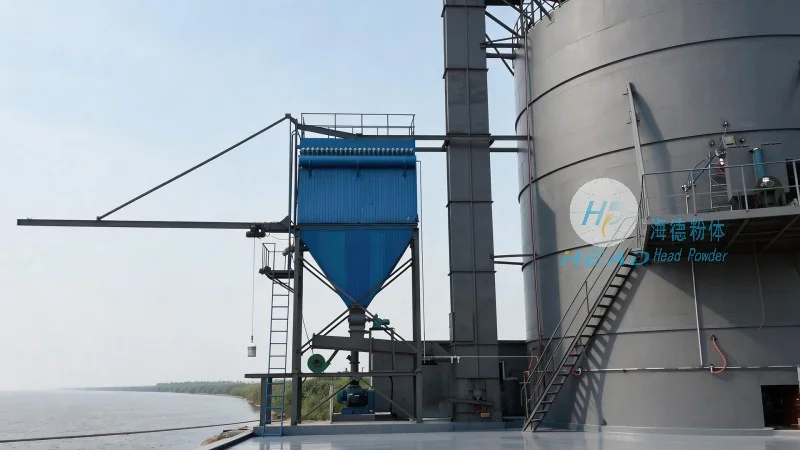
Overview of HeadPowder's Capsule Conveying Solutions
HeadPowder, a leading manufacturer in the field, offers advanced capsule material conveying systems tailored to meet the diverse needs of pharmaceutical companies. With a strong presence in Shandong, China, HeadPowder Engineering Co., Ltd. has established itself as a trusted provider of high-quality conveying solutions. The company’s expertise lies in designing systems that integrate seamlessly with existing production lines, enhancing overall operational performance while adhering to industry standards.
Key Design Principles of Capsule Conveying Systems
The design of a capsule material conveying system is guided by several critical principles to ensure reliability, efficiency, and product safety. First, the system must accommodate the unique geometric properties of capsules, such as their cylindrical shape with rounded ends, to prevent damage during transport. This involves the use of specialized conveyor components like rotary or vibratory conveyors that minimize friction and impact. The materials used in the construction of the system, often stainless steel or food-grade plastics, are selected for their durability and resistance to corrosion, ensuring long-term performance in pharmaceutical environments. Second, the system must maintain consistent speed and direction to avoid capsule sorting or misalignment, which could lead to product defects. This is achieved through precise motor control and sensor feedback systems that adjust the conveyor’s operation in real-time. Third, the design incorporates features for easy cleaning and maintenance, crucial for meeting stringent regulatory requirements in pharmaceutical manufacturing. The system’s modular design allows for quick disassembly and reassembly, facilitating thorough cleaning and reducing downtime. Additionally, the system is engineered to handle varying capsule sizes and quantities, ensuring adaptability across different production scales. This flexibility is achieved through adjustable feed mechanisms and variable-speed conveyors that can be configured to meet specific production demands.

Core Components and Functional Mechanisms
A typical capsule material conveying system consists of several key components that work in tandem to achieve efficient material handling. The primary components include a feeding mechanism, conveyor belts or rollers, control systems, and sometimes sorting or orientation devices. The feeding mechanism, often a hopper or a vibratory feeder, ensures a steady supply of capsules into the system. Conveyor belts or rollers then transport the capsules through the system, with adjustable speed controls to maintain uniform flow. Control systems, typically integrated with sensors, monitor the conveyor’s operation and adjust parameters as needed to prevent jams or overloading. Sorting or orientation devices may be included to align capsules in a consistent orientation before packaging, enhancing downstream process efficiency. The system’s design also incorporates safety features, such as emergency stop buttons and overload protection, to ensure operational safety and compliance with workplace regulations.
Application and Operational Benefits
Capsule material conveying systems are widely used in pharmaceutical manufacturing for various stages, including post-filling inspection, packaging, and storage. The primary operational benefits of these systems include improved production throughput, reduced labor costs, and enhanced product quality. By automating the transport of capsules, these systems minimize human intervention, thereby reducing the risk of contamination and errors. Additionally, the consistent flow of capsules ensures that downstream packaging lines operate smoothly, avoiding bottlenecks that could disrupt production schedules. The systems also contribute to better inventory management by facilitating the organized movement of capsules from production to storage areas, ensuring that products are readily available for distribution. Furthermore, the use of advanced materials and design reduces wear and tear, extending the system’s service life and lowering long-term maintenance costs.
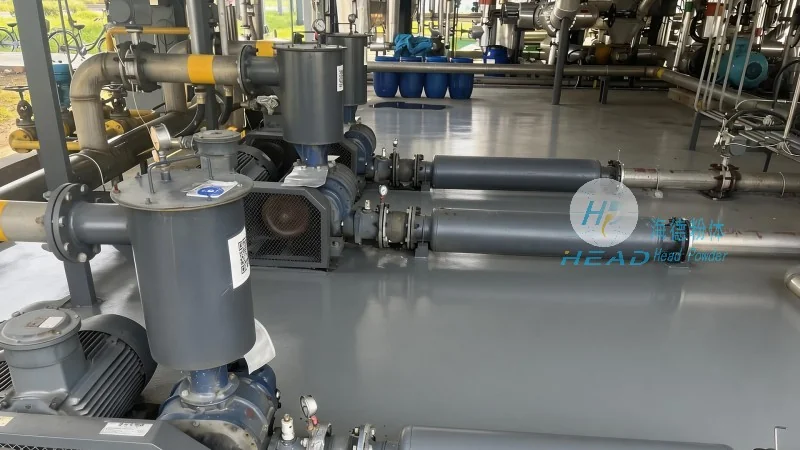
Customization and Integration Capabilities
HeadPowder’s capsule material conveying systems are highly customizable to fit specific production requirements. The company offers tailored solutions that can be integrated with existing production lines or designed as standalone systems. Customization options include adjustable conveyor speeds, varying conveyor lengths, and the addition of sorting or inspection modules. This flexibility allows pharmaceutical companies to adapt the system to their unique production needs, whether for small-scale or large-scale operations. Furthermore, HeadPowder provides comprehensive support, including installation, commissioning, and ongoing maintenance services, ensuring that the system operates at peak efficiency throughout its lifecycle. The company’s team of engineers works closely with clients to understand their specific challenges and develop solutions that address those needs, resulting in systems that are both effective and cost-efficient.
Quality Assurance and Compliance
HeadPowder Engineering Co., Ltd. adheres to strict quality control standards in the development and manufacturing of its capsule material conveying systems. The company follows ISO 9001 and other relevant industry standards to ensure that each system meets the highest quality benchmarks. Regular testing and validation processes are conducted to verify the system’s performance and reliability. Additionally, the systems are designed to comply with regulatory requirements such as GMP (Good Manufacturing Practice) guidelines, ensuring that they can be used in pharmaceutical production environments without compromising product safety or quality. The use of high-quality materials and precision engineering ensures that the systems are durable, reliable, and capable of withstanding the demands of continuous operation in a pharmaceutical setting.