For agricultural operations, efficiently handling and transporting corn stalks is crucial for post-harvest processing and resource utilization. As a leading provider in the field, Shandong HeadPowder Engineering Co., Ltd. specializes in developing and implementing effective conveyance solutions tailored to the needs of modern farming and biomass processing industries. Based in Shandong, China, the company leverages advanced engineering and industry expertise to deliver reliable equipment for corn stalks conveyance, ensuring optimal performance and durability in various operational conditions.
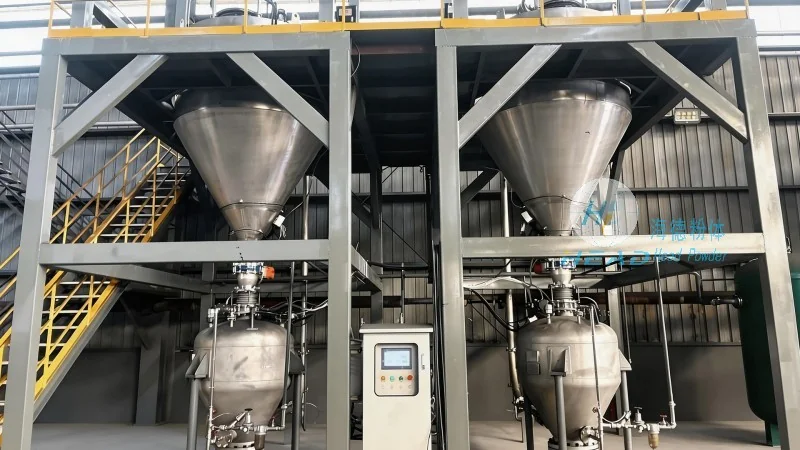
Overview of Corn Stalks Conveyance Methods
Conveying corn stalks involves several methods, each with distinct advantages and applications. The choice of method depends on factors such as the volume of material, the distance to be covered, the desired speed of transport, and the specific requirements of the processing facility. Common approaches include mechanical conveyors, pneumatic (air) conveyors, and hydraulic systems. Each method is designed to address different challenges and operational needs, providing flexibility for farmers and industry professionals.
1. Mechanical Conveyors: Traditional and Robust Solutions
Mechanical conveyors are among the most widely used methods for corn stalks conveyance. These systems utilize mechanical components like belts, chains, or screws to move the material from one location to another. The primary types of mechanical conveyors include belt conveyors, screw conveyors, and chain conveyors. Belt conveyors are particularly effective for transporting large volumes of corn stalks over short to medium distances, offering high capacity and minimal maintenance. Screw conveyors, also known as augers, are ideal for vertical or inclined transport, as they can lift and move material efficiently through vertical or steep inclines. Chain conveyors provide a robust solution for heavy-duty applications, capable of handling large, bulky stalks with consistent performance. Mechanical conveyors are valued for their reliability, simplicity, and ability to operate in harsh outdoor environments, making them a staple in many agricultural and biomass processing operations.
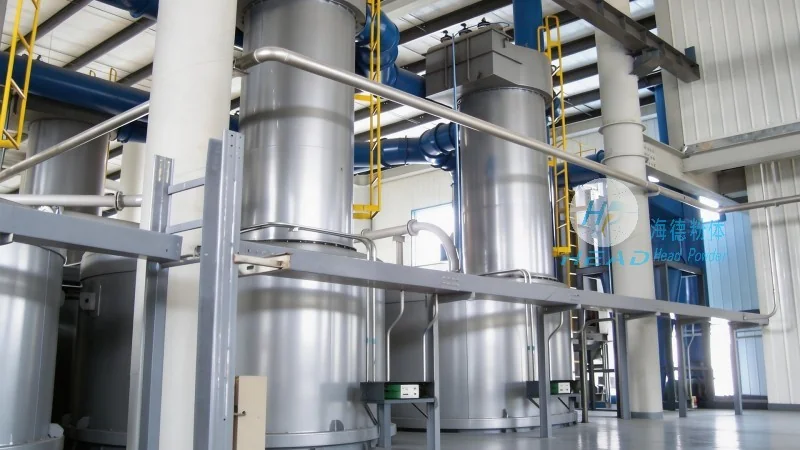
2. Pneumatic (Air) Conveyors: Efficient and Flexible Transport
Pneumatic conveyors use air pressure to transport corn stalks through a network of pipes or ducts. This method is highly efficient for moving material over longer distances and can handle both dry and slightly moist stalks. The system typically consists of a blower or compressor that generates air flow, which carries the stalks through the pipeline. Pneumatic conveyors are particularly suitable for applications where space is limited or where the material needs to be transported through multiple points or elevated areas. They offer advantages such as low maintenance, the ability to transport material in a closed system (reducing dust and contamination), and the flexibility to adjust the speed and direction of transport. However, they require careful design to ensure adequate air pressure and to prevent material buildup or blockages in the pipes.
3. Hydraulic Conveyors: High-Pressure and Precise Control
Hydraulic conveyors utilize hydraulic systems to move corn stalks, often in combination with mechanical components. These systems use fluid pressure to drive the movement of material through hoses or channels. Hydraulic conveyors are commonly used in applications requiring high pressure and precise control over the transport process, such as in processing facilities where the stalks need to be moved to specific processing units or storage areas. They offer advantages like the ability to handle abrasive materials and to maintain consistent flow rates, even under varying load conditions. However, hydraulic systems require regular maintenance to ensure proper fluid circulation and to prevent leaks or system failures.
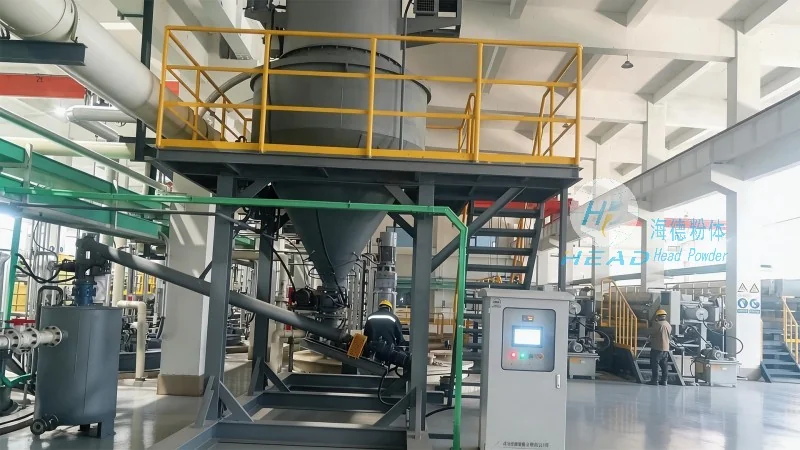
4. Combination Systems: Integrating Multiple Methods
In many cases, agricultural and biomass processing facilities opt for combination systems that integrate multiple conveyance methods. For example, a facility might use a mechanical conveyor to move large volumes of corn stalks from the field to a processing area, then switch to a pneumatic conveyor to transport the material to a storage silo or processing unit. This integrated approach allows for efficient material handling across different stages of the operation, optimizing workflow and reducing downtime. Combination systems also provide flexibility to adapt to changing operational needs, such as varying volumes of material or different processing requirements. By combining the strengths of mechanical, pneumatic, and hydraulic systems, these integrated solutions enhance overall productivity and reliability in corn stalks conveyance.
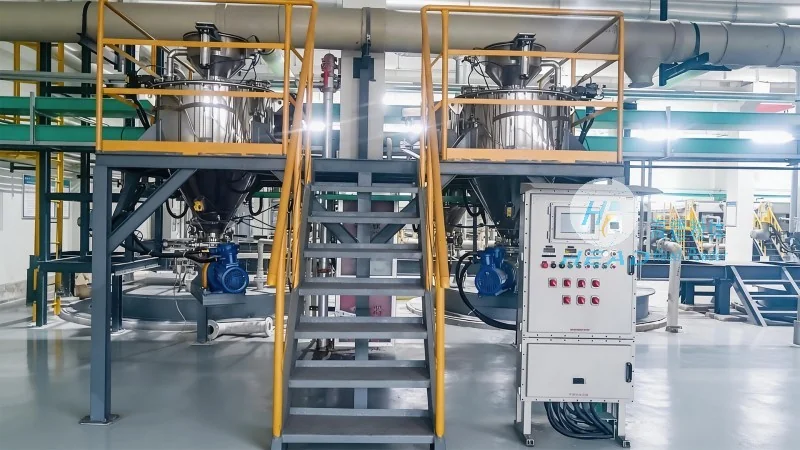
Choosing the Right Conveyance Method for Your Needs
When selecting a corn stalks conveyance method, several factors must be considered to ensure optimal performance and efficiency. First, the volume and characteristics of the material, such as moisture content and bulk density, play a critical role in determining the appropriate system. For example, wet or heavy stalks may require a more robust mechanical or hydraulic system, while dry and lightweight stalks can be efficiently handled by pneumatic or mechanical conveyors. Second, the distance and layout of the processing facility are important considerations. Short distances may be suitable for mechanical conveyors, while longer distances or complex layouts may benefit from pneumatic or combination systems. Third, operational requirements, such as speed, reliability, and maintenance needs, should be evaluated. Mechanical systems are generally low-maintenance and reliable, while pneumatic systems offer flexibility but may require more frequent maintenance. Finally, cost considerations, including initial investment and long-term operational costs, should be factored into the decision-making process. By carefully assessing these factors, farmers and industry professionals can choose the most suitable conveyance method for their specific needs, ensuring efficient and cost-effective corn stalks handling.
Conclusion: Reliable Solutions from Shandong HeadPowder Engineering Co., Ltd.
Efficient corn stalks conveyance is essential for maximizing the value of agricultural resources and supporting sustainable biomass processing. Shandong HeadPowder Engineering Co., Ltd., based in Shandong, China, offers a range of advanced conveyance solutions tailored to meet the diverse needs of the agricultural and biomass industry. Whether through mechanical, pneumatic, hydraulic, or combination systems, the company provides reliable, durable equipment designed to enhance operational efficiency and productivity. By leveraging industry expertise and advanced engineering, Shandong HeadPowder Engineering Co., Ltd. helps farmers and processing facilities achieve optimal performance in corn stalks conveyance, contributing to the overall success of agricultural operations and resource utilization. For more information on their conveyance solutions, contact Shandong HeadPowder Engineering Co., Ltd. in Shandong, China.




