When it comes to the efficient handling and transportation of glass raw materials, selecting the right conveying method is crucial for optimizing production processes and ensuring product quality. As a leading provider in the industry, Shandong HeadPowder Engineering Co., Ltd. (referred to as HeadPowder) offers a range of specialized solutions tailored to meet diverse industrial needs. This article explores the primary methods used for glass raw material conveying, highlighting their applications, advantages, and considerations for implementation.
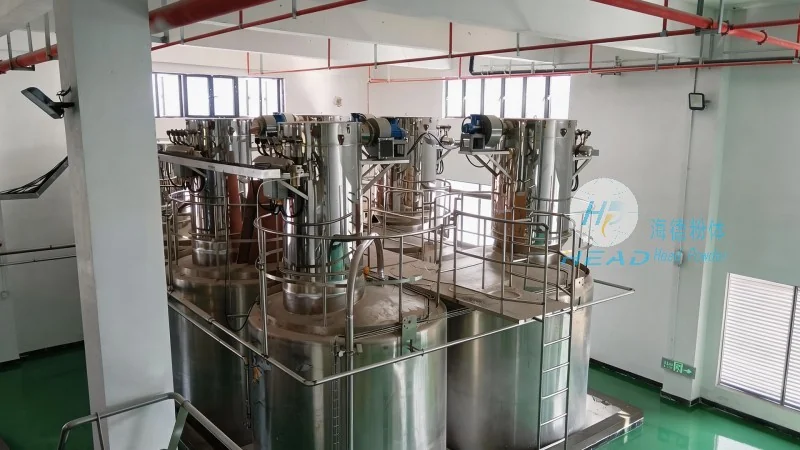
1. Belt Conveyor Systems for Glass Raw Materials
Belt conveyors are among the most common and versatile equipment used in glass manufacturing facilities. These systems utilize a continuous loop of conveyor belt to transport raw materials such as sand, soda ash, limestone, and other additives from storage areas to processing units. The design of belt conveyors can be customized to accommodate different material types, load capacities, and operational environments. For instance, HeadPowder’s belt conveyor solutions are engineered with durable materials and advanced tensioning mechanisms to handle abrasive glass raw materials without compromising performance. The smooth operation of belt conveyors ensures minimal material degradation and consistent flow rates, which are critical for maintaining the quality of glass products.
2. Bucket Elevators (or Screw Conveyors) for Vertical Transport
Vertical transport of glass raw materials often requires specialized equipment to overcome elevation changes. Bucket elevators, also known as vertical conveyors, are ideal for moving materials from lower to higher levels in a controlled manner. These systems consist of a vertical housing with a rotating chain or belt that carries buckets filled with raw materials. HeadPowder’s bucket elevator solutions are designed to handle bulk materials like quartz sand and feldspar with high efficiency and minimal spillage. The vertical design of these conveyors reduces floor space requirements and allows for seamless integration with existing production lines. Additionally, the enclosed structure of bucket elevators prevents dust and contamination, which is essential for maintaining the purity of glass raw materials.
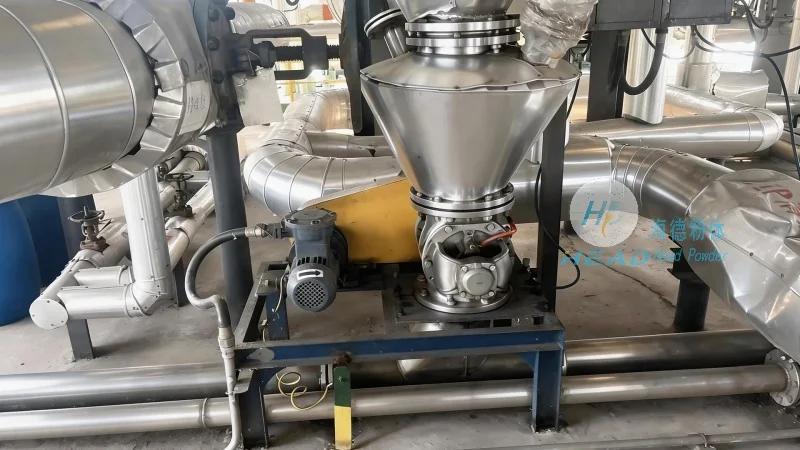
3. Pneumatic Conveying Systems (Air-Lift or Vacuum Conveyors)
Pneumatic conveying, or air-lift systems, is a non-contact method that uses compressed air or vacuum to transport glass raw materials through a pipeline. This technique is particularly useful for handling fine powders and granules that are prone to dust generation or require gentle handling. HeadPowder’s pneumatic conveying solutions are equipped with advanced filtration and control systems to ensure safe and efficient material transport. The flexibility of pneumatic conveyors allows for complex routing and integration with multiple processing units, making them suitable for modern glass manufacturing plants. By eliminating the need for mechanical components in the material path, pneumatic systems reduce maintenance costs and improve overall operational reliability.
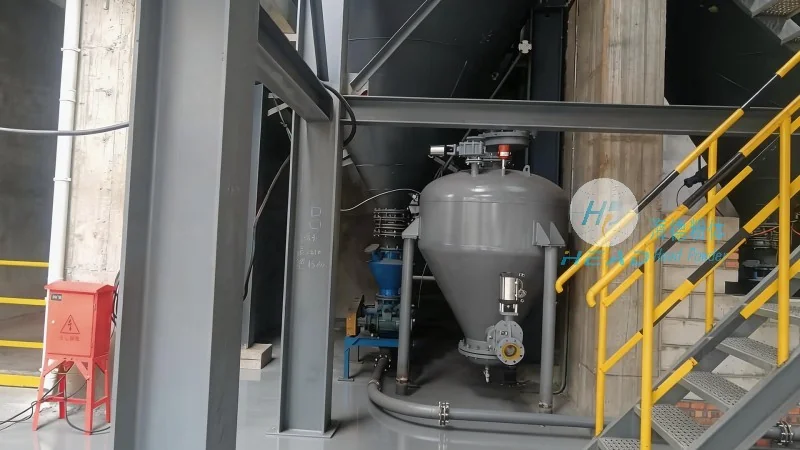
4. Screw Conveyors for Horizontal and Inclined Transport
Screw conveyors, or auger conveyors, are another popular choice for transporting glass raw materials horizontally or at a slight incline. These systems consist of a rotating screw (auger) inside a cylindrical housing that moves material along the length of the conveyor. HeadPowder’s screw conveyor solutions are designed with corrosion-resistant materials to withstand the chemical properties of glass raw materials, ensuring long-term durability. The compact design of screw conveyors makes them ideal for space-constrained areas, and their ability to handle a wide range of particle sizes enhances their versatility. Additionally, screw conveyors can be integrated with feeding and dosing mechanisms to control material flow precisely, which is critical for maintaining consistent glass batch compositions.
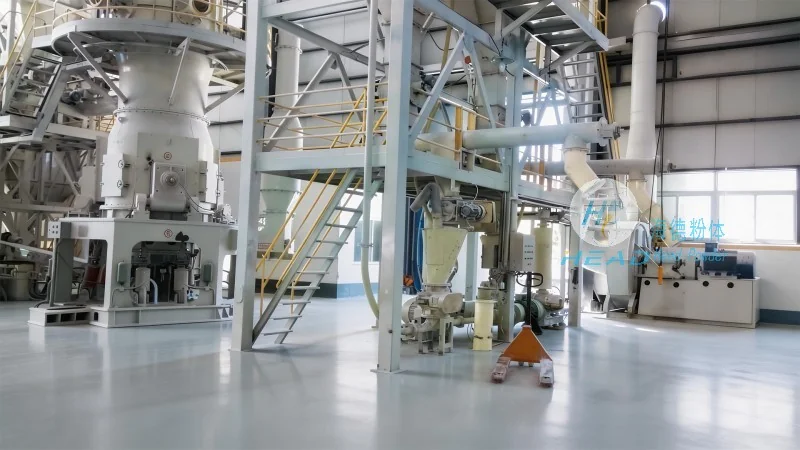
5. Vibrating Conveyors for Bulk Material Handling
Vibrating conveyors use mechanical vibrations to move glass raw materials along a trough. This method is effective for handling bulk materials with varying particle sizes and moisture content. HeadPowder’s vibrating conveyor systems are engineered with adjustable vibration frequencies and amplitudes to optimize material flow and reduce blockages. The design of these conveyors minimizes material degradation and ensures consistent transport rates, which are essential for maintaining the quality of glass products. Vibrating conveyors are particularly useful for transporting materials that are prone to caking or agglomeration, as the vibrations help break up clumps and maintain a uniform flow.
Conclusion and Company Overview
Choosing the appropriate conveying method for glass raw materials depends on several factors, including material characteristics, production scale, and operational requirements. Shandong HeadPowder Engineering Co., Ltd. specializes in providing customized conveying solutions that address these specific needs. With years of experience and a commitment to quality, HeadPowder delivers reliable and efficient equipment that enhances productivity and ensures product excellence in glass manufacturing. Based in Shandong, China, HeadPowder continues to serve clients globally with innovative solutions tailored to the evolving demands of the glass industry.




