

What is a Cotton Material Handling System? Understanding Its Design Principles
HeadPowder, a leading engineering firm based in Shandong, China, specializes in the design and implementation of efficient cotton material handling systems. These systems are crucial for the textile industry, ensuring the smooth and safe transport of cotton from various stages of processing to the next step in production.
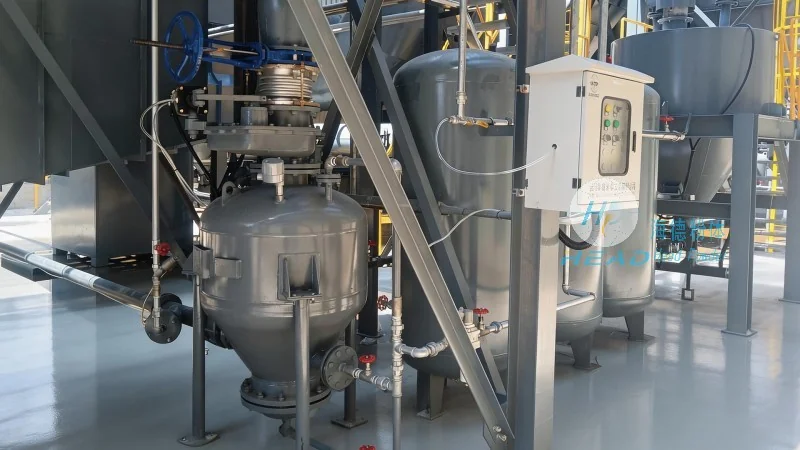
Key Components of a Cotton Material Handling System
At the core of any cotton material handling system are several key components that work in tandem to ensure effective operation. These components typically include: cotton conveyors, which are used to transport cotton in bulk; cotton elevators, designed to lift cotton vertically; cotton feeders, which distribute cotton evenly to processing machinery; and cotton storage systems, such as silos or bins, for temporary storage. Each component is engineered to handle the unique characteristics of cotton, such as its soft texture and tendency to clump, ensuring minimal material loss and maximum efficiency.
Design Principles for Efficient Cotton Material Handling
The design of a cotton material handling system follows several critical principles to maximize performance and reliability. First, modularity is a key design consideration, allowing components to be easily added or replaced as production needs change. Second, durability is essential, as cotton handling equipment must withstand the abrasive nature of cotton fibers and the heavy loads involved. Third, hygiene is a critical factor, especially in food-grade or textile applications, where contamination must be minimized. Finally, energy efficiency is prioritized to reduce operational costs and environmental impact. These principles guide engineers at HeadPowder to create systems that are not only effective but also sustainable and cost-effective.
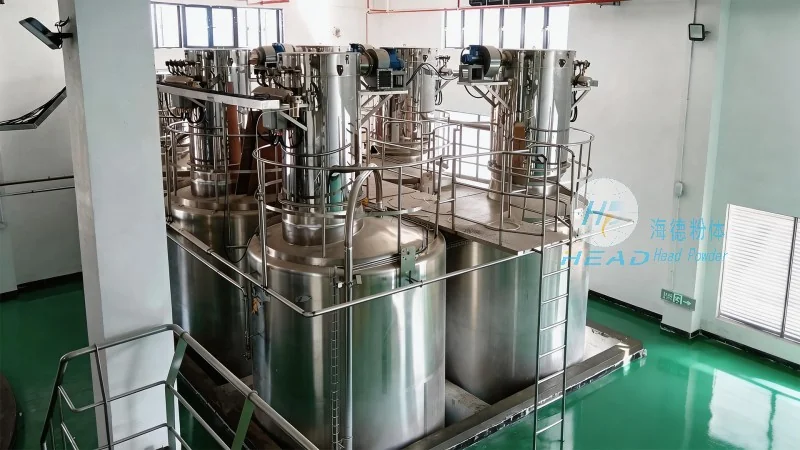
The Role of Automation in Modern Cotton Handling Systems
Automation plays a pivotal role in modern cotton material handling systems, enhancing both efficiency and safety. Automated systems use sensors, control panels, and robotic technology to monitor and adjust the flow of cotton in real-time. For example, automated conveyors can adjust speed based on the volume of cotton, while robotic feeders can precisely distribute cotton to processing machines. This level of automation reduces the need for manual labor, minimizes human error, and ensures consistent material handling performance. HeadPowder integrates advanced automation technologies into its systems, ensuring that clients can achieve higher productivity and lower operational costs.
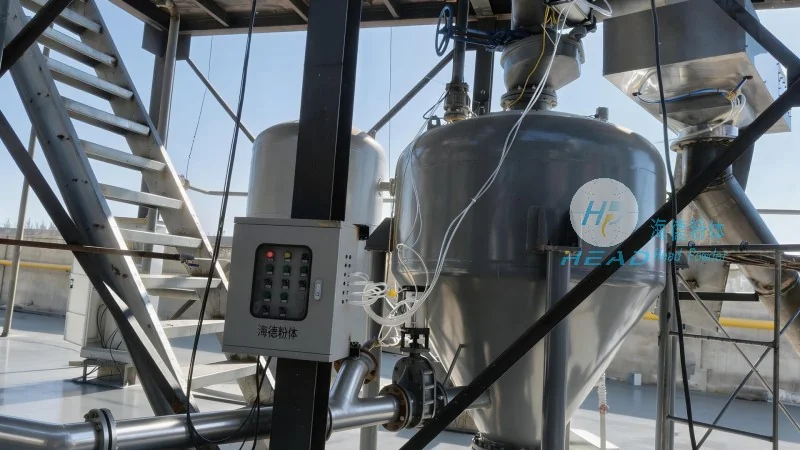
Benefits of Implementing a Cotton Material Handling System
Adopting a well-designed cotton material handling system offers numerous benefits for textile manufacturers. These include: increased productivity, as materials are moved faster and more consistently; reduced labor costs, due to the automation of manual tasks; improved safety, as the risk of accidents associated with manual handling is minimized; and enhanced product quality, as consistent material flow reduces the likelihood of contamination or damage. Additionally, such systems contribute to sustainability by reducing energy consumption and minimizing waste. For businesses looking to stay competitive in the global textile market, investing in an efficient cotton material handling system is a strategic decision that pays off in the long run.
HeadPowder Engineering Co., Ltd., based in Shandong, China, is committed to providing tailored cotton material handling solutions that meet the specific needs of its clients. By combining advanced engineering, automation, and a deep understanding of cotton processing, HeadPowder ensures that its systems deliver optimal performance, reliability, and cost-effectiveness. Whether for new facility installations or system upgrades, HeadPowder's expertise in cotton material handling systems makes it a trusted partner for textile manufacturers worldwide.