What is a Coal Fly Ash Material Handling System? What are the Design Principles?
Release time:2026-09-15 00:03:37
name of the company:Shandong Headpowder Engineering Co., Ltd.
telephone:156-6277-7102
contacts:Zhang manager
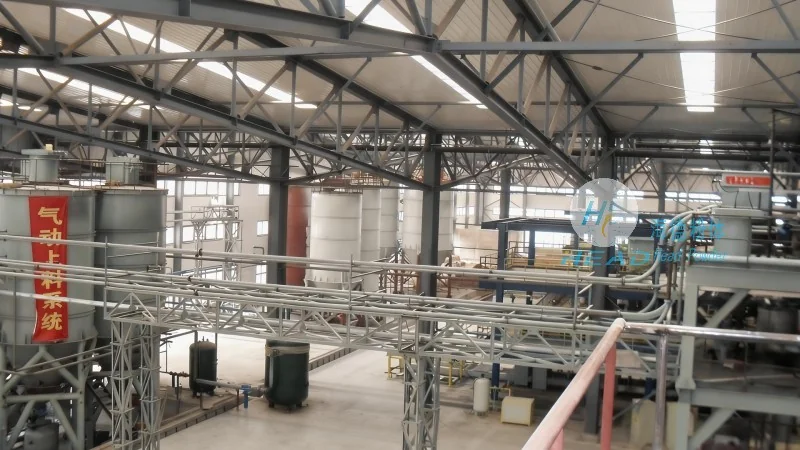
Coal fly ash, a byproduct of coal combustion in thermal power plants, is a valuable material that requires efficient and reliable handling systems for its transport and utilization. This article explores the coal fly ash material handling system, detailing its components, operational mechanisms, and the fundamental design principles that ensure optimal performance and safety.
Introduction to Coal Fly Ash Material Handling Systems
Coal fly ash, also known as fly ash, is a fine powder produced during the combustion of coal in power generation facilities. It is composed of microscopic particles of silica, alumina, iron oxide, and other minerals. Due to its high volume and potential environmental benefits when properly utilized, the efficient transportation of coal fly ash is critical for industrial applications such as concrete production, brick manufacturing, and soil amendment. The coal fly ash material handling system is engineered to handle this material safely and effectively, minimizing dust emissions and ensuring compliance with environmental regulations.
Key Components of the Material Handling System
The coal fly ash material handling system typically consists of several interconnected components that work in tandem to transport the material from its source to its destination. These components include:
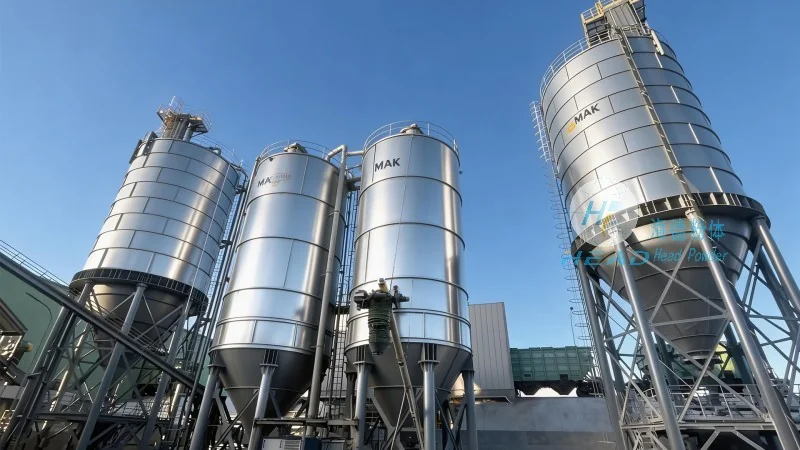
- Feed Hoppers: Large containers that store and feed coal fly ash into the system. They are designed to handle bulk material and maintain a consistent flow rate.
- Pneumatic Conveying Systems: Many systems utilize air-based conveying to transport coal fly ash over long distances. This method involves injecting air into a pipeline, creating a slurry of ash and air that moves through the system under pressure.
- Rotary Valves: Used to control the flow of coal fly ash from the feed hoppers into the conveying line. These valves ensure a smooth and controlled discharge, preventing blockages and maintaining system efficiency.
- Filter and Dust Collection Systems: Essential for capturing dust and particulate matter during the conveying process. These systems protect the environment and maintain air quality by capturing and treating the ash particles.
- Discharge Hoppers: Containers that receive the coal fly ash at the end of the conveying line, preparing it for further processing or storage.
Design Principles for Optimal Performance
The design of a coal fly ash material handling system is guided by several key principles to ensure reliability, efficiency, and safety. These principles include:
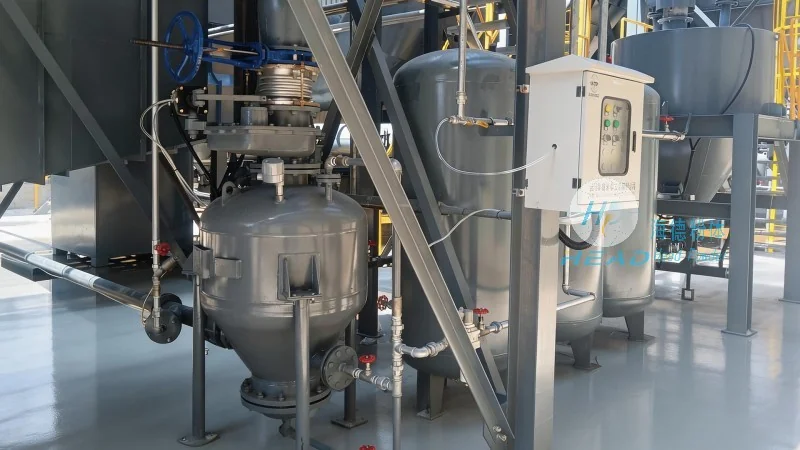
- Material Compatibility: The system components must be compatible with the chemical and physical properties of coal fly ash, including its particle size, moisture content, and abrasiveness. Materials such as stainless steel or special alloys are often used to prevent corrosion and wear.
- Flow Control and Uniformity: Maintaining a consistent flow rate is crucial to prevent system blockages and ensure smooth operation. This is achieved through the use of feed hoppers, rotary valves, and pressure regulators that control the material's movement through the system.
- Airflow Management: In pneumatic conveying systems, proper airflow management is essential to prevent pressure drops and ensure the material is conveyed efficiently. This involves optimizing air velocity and pressure to match the system's capacity and distance requirements.
- Dust Control and Environmental Compliance: Effective dust collection and filtration systems are integral to the design, as they help minimize emissions and comply with environmental regulations. These systems often include bag filters or electrostatic precipitators to capture fine particles.
- Safety and Maintenance: The system is designed with safety features to prevent accidents and ensure easy maintenance. This includes access panels for inspection, emergency shut-off valves, and regular maintenance schedules to prolong the system's lifespan.
Operational Considerations and Best Practices
Operational best practices are essential to maximize the performance and longevity of a coal fly ash material handling system. These include:
- Regular Maintenance: Scheduling routine inspections and maintenance, such as cleaning filters, checking valve performance, and inspecting pipelines for wear, helps prevent system failures and reduces downtime.
- Monitoring System Performance: Using sensors and monitoring equipment to track flow rates, pressure, and temperature allows operators to identify potential issues early and take corrective action.
- Handling Moisture Content: Coal fly ash often contains moisture, which can affect its flow characteristics and increase dust generation. Proper moisture control, such as drying the ash before conveying, can improve system efficiency.
- Training and Safety Protocols: Ensuring that operators are trained in the proper use and maintenance of the system, and adhering to safety protocols, minimizes the risk of accidents and ensures compliance with safety regulations.
Conclusion
The coal fly ash material handling system is a critical component in the efficient utilization of coal fly ash, a valuable byproduct of coal combustion. By adhering to the design principles outlined above and following best operational practices, these systems can effectively transport coal fly ash while minimizing environmental impact and ensuring operational reliability. As a leading provider in this field, Shandong HeadPowder Engineering Co., Ltd. specializes in designing and manufacturing such systems, leveraging years of experience to deliver solutions that meet the needs of industrial clients.




