Continuous quantitative pneumatic conveying systems are advanced industrial equipment designed to transport bulk materials in a controlled, continuous manner. These systems utilize air or other gases to move powders, granules, and other particulate materials through a pipeline network. The primary goal is to achieve precise, metered delivery of materials, which is crucial in various manufacturing and processing applications.
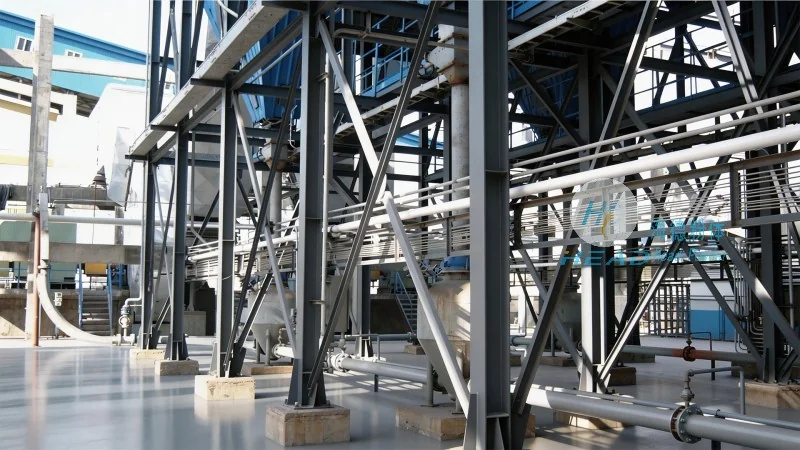
Core Components and Functionality
The system typically consists of several key components that work in tandem to ensure efficient operation. At the heart of the system is the material feeder, which can be a rotary valve, screw feeder, or other metering device. This component ensures that the material is fed into the system at a consistent rate, providing the foundation for quantitative delivery. The feeder is connected to a conveying pipeline, which may be made of metal or flexible tubing, depending on the application and material properties. The pipeline transports the material from the feeder to the discharge point.
A critical component is the air or gas source, which provides the necessary pressure and flow to move the material through the pipeline. This may include a blower, compressor, or other air-moving device, along with associated controls to regulate pressure and flow rates. The system also includes a separation or collection unit at the discharge end, which separates the material from the air stream and collects it in a hopper or storage container. Additionally, there may be filters or cyclones to remove any fine particles from the air stream, ensuring compliance with environmental regulations and maintaining system efficiency.
Design Principles of the System
The design of a continuous quantitative pneumatic conveying system is based on several fundamental principles that ensure accuracy and reliability. One of the key principles is the control of air flow and pressure. By precisely regulating the air pressure and flow rate, the system can maintain a consistent conveying velocity, which directly impacts the material's velocity and the overall conveying efficiency. The design must consider the material's properties, such as particle size, density, and flowability, as these factors influence the optimal air-to-material ratio and conveying velocity. For example, cohesive or fine powders may require higher air velocities and more pressure to prevent blockages or segregation.
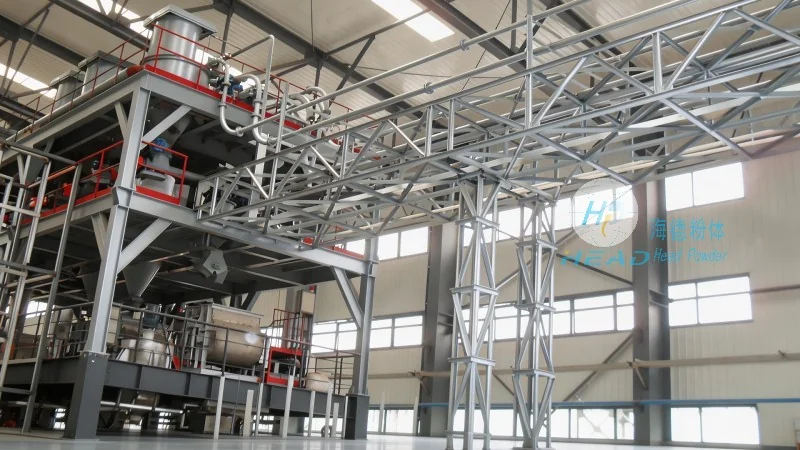
Another important design principle is the metering of material input. The feeder must be capable of delivering the material at a constant rate, which is typically achieved through mechanical or electronic controls. The feeder's design should be compatible with the material's characteristics, such as its bulk density and flow characteristics, to avoid issues like bridging or arching. The system may also incorporate sensors or feedback mechanisms to monitor the material flow and adjust the feeder's output in real-time, ensuring that the delivery rate remains consistent even under varying conditions.
The pipeline design is also a critical aspect of the system's design. The pipeline diameter and length must be optimized to minimize pressure drop and energy consumption while maintaining the required conveying velocity. The material of construction is chosen based on the material being conveyed and the operating conditions, such as temperature and corrosiveness. For example, stainless steel is commonly used for food-grade applications, while PVC or plastic may be used for non-corrosive materials. The pipeline may also include bends, elbows, or other fittings that are designed to minimize pressure losses and prevent material buildup.
Advantages and Applications
Continuous quantitative pneumatic conveying systems offer several advantages over traditional conveying methods, such as belt conveyors or bucket elevators. One of the main advantages is the ability to achieve precise, metered delivery of materials, which is essential in processes that require accurate dosing, such as pharmaceutical manufacturing, food processing, and chemical production. The system can deliver materials at a consistent rate, reducing variability and improving process control.
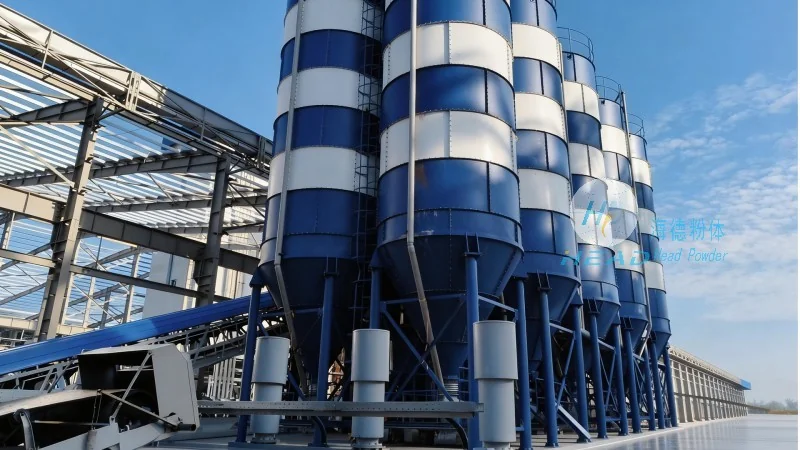
Another advantage is the ability to transport materials in a closed system, which helps to prevent contamination and dust emissions. This is particularly important for materials that are sensitive to moisture or air, such as pharmaceuticals or food products. The closed system also reduces the risk of material loss and improves overall efficiency by minimizing material degradation.
The systems are also highly flexible and can be adapted to various applications. They can handle a wide range of materials, from fine powders to granules, and can be configured to meet specific process requirements. The modular design allows for easy expansion or modification, making it suitable for both new installations and retrofitting existing facilities.
Applications of continuous quantitative pneumatic conveying systems are diverse and widespread. In the pharmaceutical industry, these systems are used to transport active pharmaceutical ingredients (APIs) and excipients with high precision, ensuring that the final product meets strict quality standards. In the food industry, they are used to convey ingredients like flour, sugar, and spices in food processing plants, maintaining hygiene and preventing contamination. In the chemical industry, they are used to transport raw materials and intermediates in manufacturing processes, improving safety and efficiency. Additionally, they are used in the mining and minerals sector to transport bulk materials like coal, ore, and sand from mines to processing facilities.
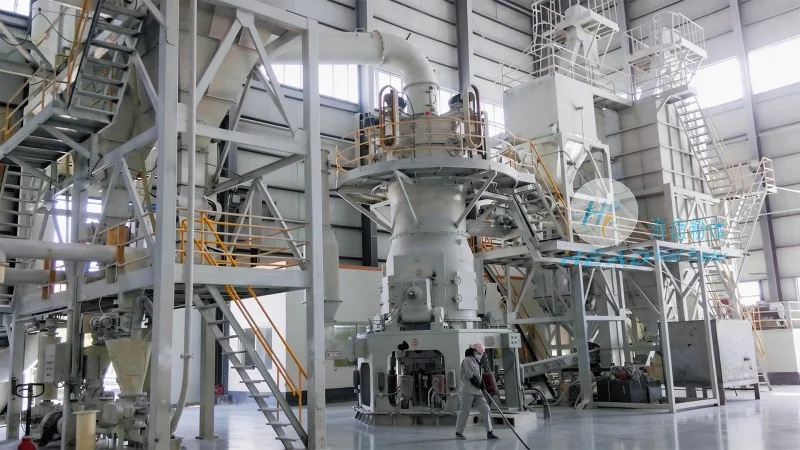
Company Profile: Shandong HeadPowder Engineering Co., Ltd.
Shandong HeadPowder Engineering Co., Ltd. is a leading manufacturer and supplier of pneumatic conveying systems and related equipment. The company is headquartered in Shandong, China, and has a strong presence in the domestic and international markets. With years of experience in the industry, the company has developed a comprehensive range of products that cater to various industrial applications. The company specializes in designing and manufacturing continuous quantitative pneumatic conveying systems that meet the highest standards of quality and performance.
Shandong HeadPowder Engineering Co., Ltd. employs a team of skilled engineers and technicians who are dedicated to providing innovative solutions to customers' conveying challenges. The company's products are designed based on advanced technology and rigorous testing to ensure reliability and durability. The company also offers comprehensive after-sales services, including installation, maintenance, and technical support, to ensure that customers receive the best possible service throughout the product's lifecycle.
With its commitment to quality and customer satisfaction, Shandong HeadPowder Engineering Co., Ltd. has established itself as a trusted partner in the industrial equipment sector. The company's continuous quantitative pneumatic conveying systems are widely recognized for their precision, efficiency, and reliability, making them the preferred choice for many industries. The company's presence in Shandong, China, allows it to leverage the region's strong manufacturing capabilities and supply chain infrastructure, ensuring that it can deliver high-quality products at competitive prices.




