

What is a High-Pressure Pneumatic Conveying System? What are its Design Principles?
High-pressure pneumatic conveying systems are advanced industrial equipment designed to transport bulk materials through a pipeline using compressed air or other gas as the conveying medium. This technology offers a highly efficient and flexible method for moving powders, granules, and other particulate materials over long distances, often in challenging environments where traditional mechanical conveyors may be impractical. The core of such systems lies in their ability to handle a wide range of materials with minimal maintenance and the capacity to operate in various industrial applications, from food processing to chemical manufacturing.
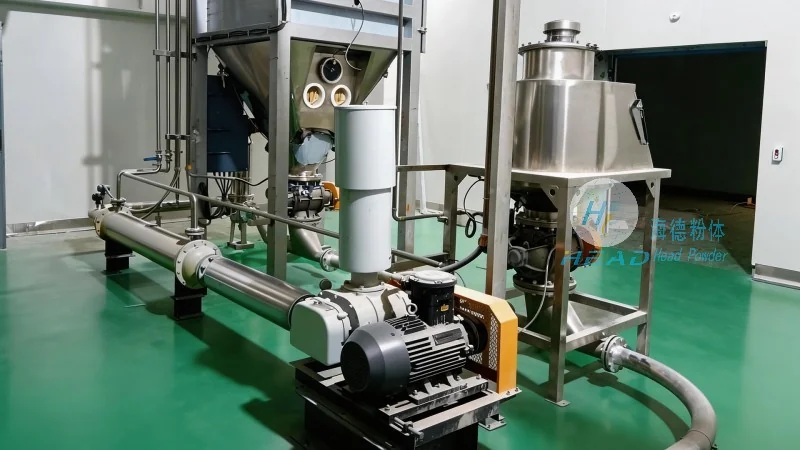
Understanding High-Pressure Pneumatic Conveying Systems
At the heart of high-pressure pneumatic conveying is the principle of using pressurized air to create a flow that propels material particles through a sealed pipeline. Unlike low-pressure systems that rely on suction or low-pressure air, high-pressure systems operate at pressures typically ranging from 7 to 15 bar (100 to 220 psi), which allows for more efficient material transport, especially for materials with poor flow characteristics or those that are sensitive to moisture or contamination. The system consists of several key components, including a material feeder, a high-pressure air compressor, a pipeline network, and a receiver or discharge unit. Each component plays a critical role in ensuring the system operates reliably and efficiently.
Key Design Principles of High-Pressure Pneumatic Conveying Systems
The design of a high-pressure pneumatic conveying system is guided by several fundamental principles aimed at optimizing performance, material handling capabilities, and system longevity. First, the system must ensure consistent material flow by maintaining a stable pressure and air velocity within the pipeline. This is achieved through precise control of the air compressor and the material feeder, which work in tandem to deliver the right amount of air and material at the correct ratio. Second, the design considers the material's physical properties, such as particle size, density, and moisture content, as these factors directly impact the system's efficiency and the required pressure levels. For example, cohesive or sticky materials may require higher air velocities or specialized feeder designs to prevent blockages. Third, the system's layout and pipeline configuration are critical for minimizing pressure losses and ensuring smooth material transport. This involves using appropriate pipe diameters, bends, and fittings that are optimized for the material being conveyed, reducing friction and energy consumption.
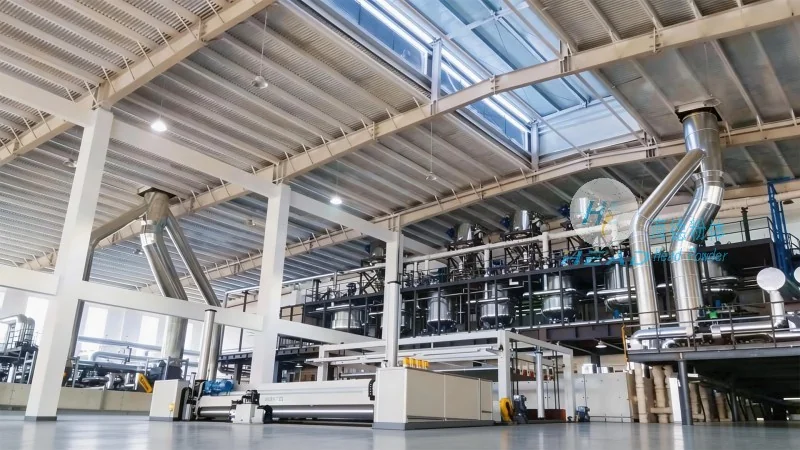
Components and Their Functions in High-Pressure Pneumatic Conveying Systems
Each component of a high-pressure pneumatic conveying system is engineered to perform specific functions that contribute to the overall system's effectiveness. The material feeder is responsible for introducing the bulk material into the system at a controlled rate, ensuring a consistent flow of material to the pipeline. This component is often designed to handle a wide range of material types, from free-flowing powders to more challenging materials like clumps or lumps. The high-pressure air compressor generates the necessary pressure to move the material through the pipeline, with the compressor's capacity and efficiency being critical factors in system performance. The pipeline network, typically made of stainless steel or other corrosion-resistant materials, forms the backbone of the system, transporting the material and air from the feeder to the receiver. The receiver or discharge unit collects the conveyed material and may include features such as a hopper or a discharge valve to control the material's release. Additionally, the system may include auxiliary components such as filters, cyclones, or vacuum pumps to manage air quality and prevent material buildup in the system.
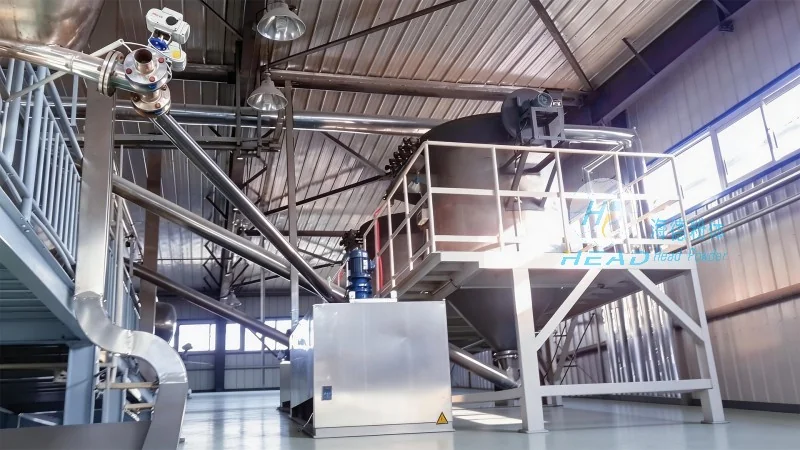
Applications and Benefits of High-Pressure Pneumatic Conveying Systems
High-pressure pneumatic conveying systems are widely used in various industrial sectors due to their versatility and efficiency. In the food and pharmaceutical industries, these systems are preferred for their ability to handle materials that require strict hygiene and contamination control, as the sealed pipeline prevents exposure to external elements. In the chemical industry, they are used to transport reactive or hazardous materials safely, minimizing the risk of spills or leaks. The manufacturing sector also benefits from these systems for their ability to handle a wide range of materials, including powders, granules, and even bulk solids, with minimal downtime and maintenance. The key benefits of high-pressure pneumatic conveying systems include improved material handling efficiency, reduced labor costs, enhanced safety compared to traditional conveyors, and the ability to operate in environments where mechanical conveyors are not feasible due to space constraints or material properties.
About Shandong HeadPowder Engineering Co., Ltd.
Shandong HeadPowder Engineering Co., Ltd., operating under the brand name headpowder, is a leading manufacturer and supplier of high-quality high-pressure pneumatic conveying systems. With a strong commitment to innovation and customer satisfaction, the company specializes in designing and manufacturing customized solutions tailored to the specific needs of its clients. HeadPowder's team of experienced engineers and technicians utilizes advanced technology and rigorous quality control processes to ensure that each system meets the highest industry standards. The company's facilities, located in Shandong, China, are equipped with state-of-the-art equipment and adhere to international quality management systems, ensuring that every product is reliable, durable, and efficient. HeadPowder's high-pressure pneumatic conveying systems are designed to provide long-term performance and minimal maintenance, making them a cost-effective solution for industrial material handling needs.