When it comes to efficient material handling in industrial settings, the automatic tote bag feeding pneumatic conveying system stands out as a sophisticated solution. This equipment is designed to streamline the process of transferring bulk materials from tote bags into processing lines, offering a reliable and automated approach to material transport. As a key component in modern manufacturing and processing facilities, understanding its functionality and design principles is crucial for optimizing operational efficiency.
Understanding the Automatic Tote Bag Feeding Pneumatic Conveying System
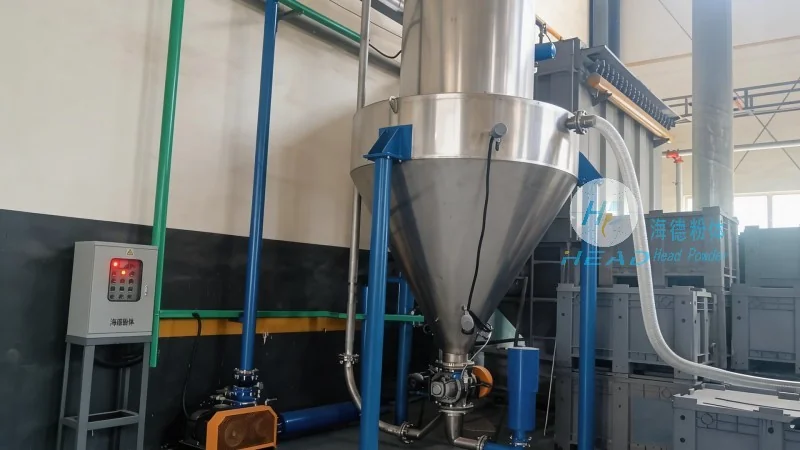
The automatic tote bag feeding pneumatic conveying system is a specialized piece of equipment used to handle bulk materials that are typically stored in tote bags. These systems are engineered to automatically open, empty, and transfer the contents of tote bags into a pneumatic conveying line. The process begins with the placement of a tote bag on a designated loading platform. The system then uses a combination of mechanical and pneumatic components to open the bag, discharge the material, and seal the bag for disposal or reuse. This automation reduces manual labor, minimizes material loss, and enhances safety in the workplace.
Key Components and Design Principles
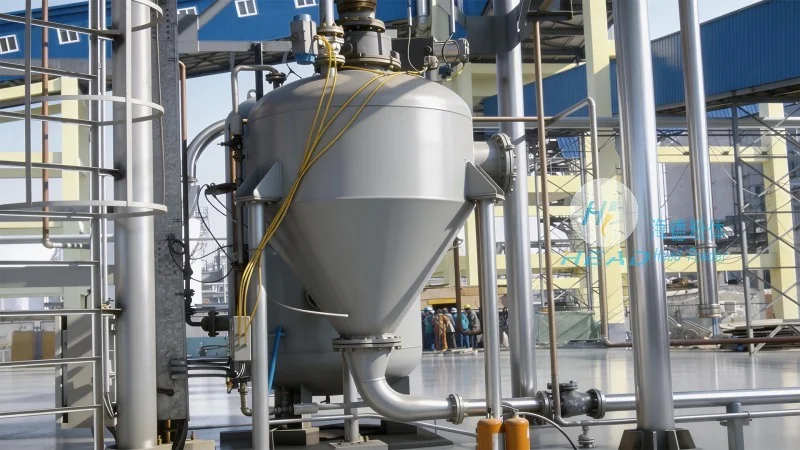
The design of an automatic tote bag feeding pneumatic conveying system involves several critical components that work in harmony to achieve efficient material transfer. These components include a bag opening mechanism, a material discharge system, a pneumatic conveying line, and a control system. The bag opening mechanism is typically a mechanical device that can be either a knife or a clamp that cuts or seals the bag opening. The material discharge system may involve a hopper or a conveyor that moves the material from the bag into the conveying line. The pneumatic conveying line uses compressed air to transport the material through a network of pipes to the processing equipment. The control system manages the entire process, ensuring that the tote bags are fed at the correct rate and that the material is transferred without interruption.
How the System Operates
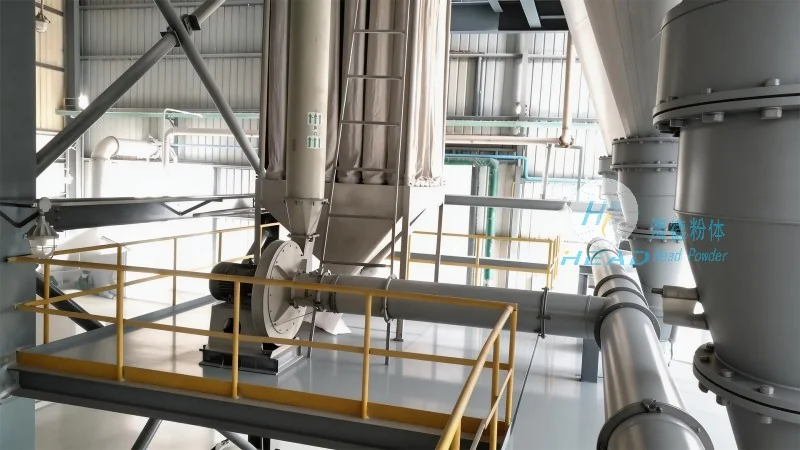
The operation of the automatic tote bag feeding pneumatic conveying system is a sequence of automated steps that ensure smooth and continuous material handling. First, a tote bag is placed on the loading platform. The system’s sensors detect the presence of the bag and initiate the opening process. The bag opening mechanism then cuts or seals the bag opening, allowing the material to flow into the discharge hopper. The discharge hopper is connected to the pneumatic conveying line, which uses compressed air to pull the material through the pipes. The material is then transported to the processing equipment, such as a mixer or a dryer. The control system monitors the entire process, adjusting the air pressure and flow rate as needed to maintain optimal material transfer. Once the tote bag is empty, the system seals the bag and prepares it for removal or reuse.
Benefits of Using This System
Implementing an automatic tote bag feeding pneumatic conveying system offers numerous benefits for industrial operations. One of the primary advantages is increased efficiency, as the system automates the material handling process, reducing the time and labor required to transfer bulk materials. This leads to higher production throughput and lower operational costs. Another key benefit is improved safety, as the system minimizes the need for manual handling of heavy or hazardous materials, reducing the risk of accidents and injuries. Additionally, the system reduces material loss and contamination, as the bag opening and discharge process is contained and controlled. This ensures that the material remains clean and free from contaminants, which is critical for maintaining product quality. The system also enhances flexibility, as it can handle a wide range of materials and tote bag sizes, making it suitable for various industrial applications.
Applications in Different Industries
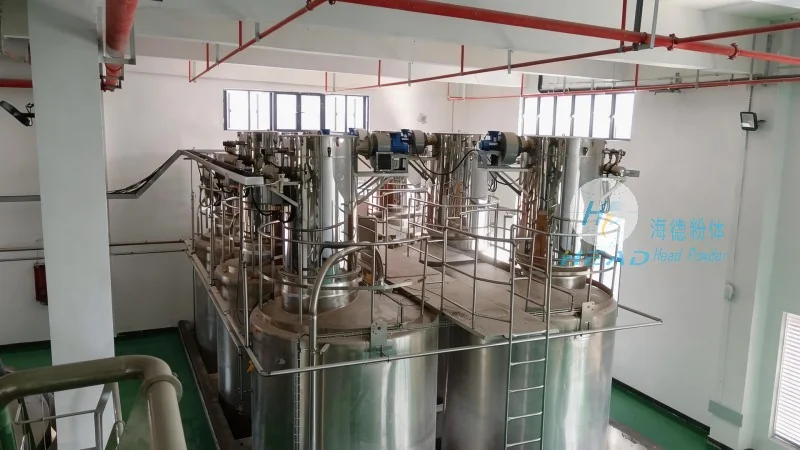
The automatic tote bag feeding pneumatic conveying system is widely used in various industries that require bulk material handling. In the food and beverage industry, this system is used to transfer ingredients such as flour, sugar, and spices from tote bags into processing lines. In the chemical industry, it is used to handle powders and granules, such as chemicals and polymers. In the pharmaceutical industry, the system is used to transfer raw materials and intermediates, ensuring that the materials are handled in a clean and controlled environment. In the agricultural industry, it is used to transfer grains and other agricultural products from tote bags into storage or processing facilities. The versatility of this system makes it a valuable asset in many industrial settings.




