

Design Considerations for Coal Particle Pneumatic Conveying System Solutions
HeadPowder, a leading engineering firm based in Shandong, China, specializes in the design and implementation of coal particle pneumatic conveying systems. This article outlines key design considerations for such systems, emphasizing practical solutions tailored to industrial applications.
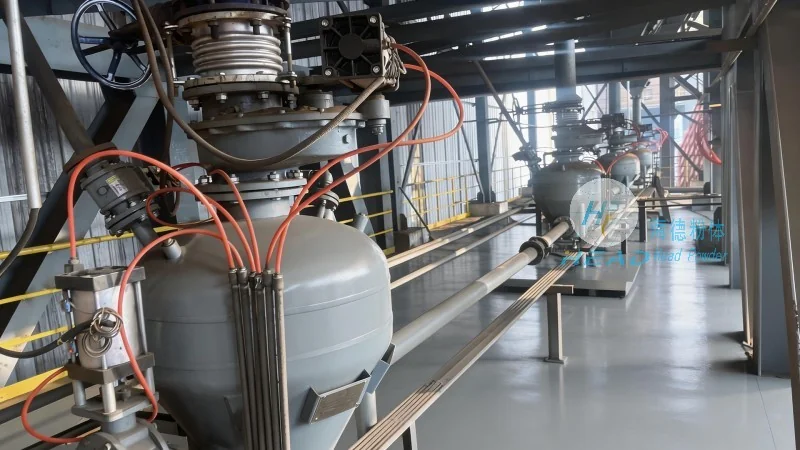
System Overview and Core Components
A coal particle pneumatic conveying system is engineered to transport bulk coal particles through a pipeline using compressed air or other gas as the conveying medium. The system typically consists of several critical components, including a hopper for material storage, a feeder to control the flow rate, a conveying line with appropriate diameter and length, and a receiver to deposit the material at the destination. Each component plays a vital role in ensuring efficient and reliable operation of the system.
Material Characteristics and Selection Criteria
The design of a coal particle pneumatic conveying system must account for the specific characteristics of the coal being transported. Key factors include particle size distribution, moisture content, bulk density, and abrasiveness. These properties directly influence the choice of conveying velocity, pipeline diameter, and the type of air compressor or blower required. For example, finer coal particles may necessitate higher conveying velocities to prevent deposition, while coarser particles might require larger pipe diameters to minimize pressure losses. Proper material characterization is essential to select the most suitable system configuration and avoid operational issues such as blockages or excessive energy consumption.
Conveying Velocity and Pressure Drop Analysis
Conveying velocity is a critical parameter that determines the system's performance and energy efficiency. It is typically determined based on the material's settling velocity and the desired flow rate. The velocity must be sufficient to keep the particles suspended in the air stream but not excessively high to avoid excessive pressure drop and energy costs. Engineers use empirical formulas and computational fluid dynamics (CFD) simulations to calculate the optimal velocity and pressure drop along the pipeline. The pressure drop is a function of the pipeline length, diameter, material properties, and conveying velocity. Minimizing pressure drop while maintaining adequate velocity is crucial for reducing operational costs and ensuring the system operates within the capacity of the air compressor.
Feeder and Hopper Design for Uniform Material Flow
The feeder and hopper are critical components that affect the system's reliability and material handling efficiency. The hopper design must ensure uniform material flow and prevent arching or ratholing, which can lead to blockages. A properly designed hopper with appropriate slope and dimensions facilitates smooth material discharge into the feeder. The feeder, often a rotary valve or a mass flow feeder, controls the flow rate of coal into the conveying line. It must be capable of handling the bulk density and flow rate of the coal while maintaining a consistent output. Proper sealing of the feeder is also essential to prevent air leakage, which can affect the system's pressure and conveying efficiency.
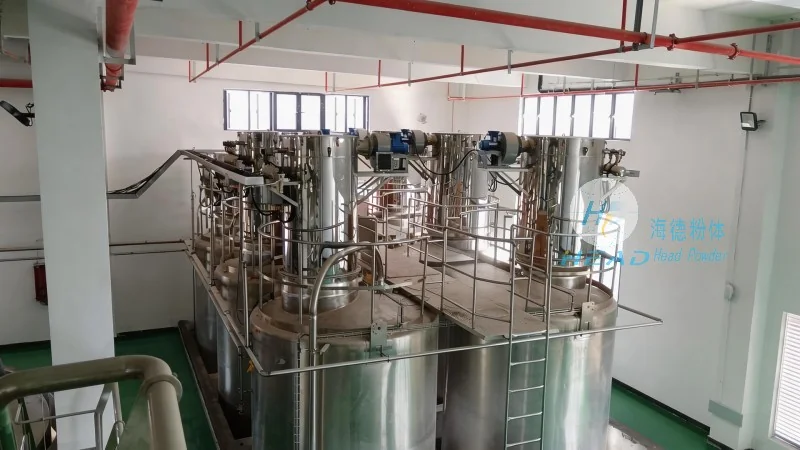
Receiver and Material Discharge System
The receiver is responsible for depositing the coal at the destination point. It is designed to handle the incoming material flow and prevent spillage or dust emissions. The receiver typically includes a hopper and a discharge valve or outlet. The design must consider the material's characteristics, such as its tendency to agglomerate or generate dust, to ensure safe and efficient discharge. For example, a receiver with a dust collection system or a rotary valve discharge may be used to minimize dust generation and ensure clean material handling. Proper sealing of the receiver is also important to maintain the system's pressure and prevent air leakage.
Air Compressor and Power Supply Considerations
The air compressor or blower is the primary power source for the pneumatic conveying system. The choice of compressor depends on the required pressure and flow rate. Centrifugal blowers are commonly used for high-volume, low-pressure applications, while positive displacement blowers are suitable for high-pressure, low-volume applications. The compressor must be sized to meet the system's demand while considering factors such as pressure drop, pipeline length, and material properties. The power supply and control system must be reliable and capable of adjusting the compressor output to maintain the desired pressure and flow rate. Regular maintenance of the compressor is essential to ensure long-term operational efficiency and minimize downtime.
System Integration and Control Strategies
Integrating the various components of a coal particle pneumatic conveying system requires careful planning and coordination. The system must be designed to operate in a synchronized manner, with the feeder, compressor, and receiver working together to maintain a consistent flow of material. Control strategies, such as pressure sensors, flow meters, and level indicators, are used to monitor the system's performance and adjust parameters as needed. Automated control systems can enhance the system's efficiency and reliability by optimizing the conveying process and preventing operational issues. Proper integration of the control system with the other components ensures smooth operation and reduces the risk of human error.
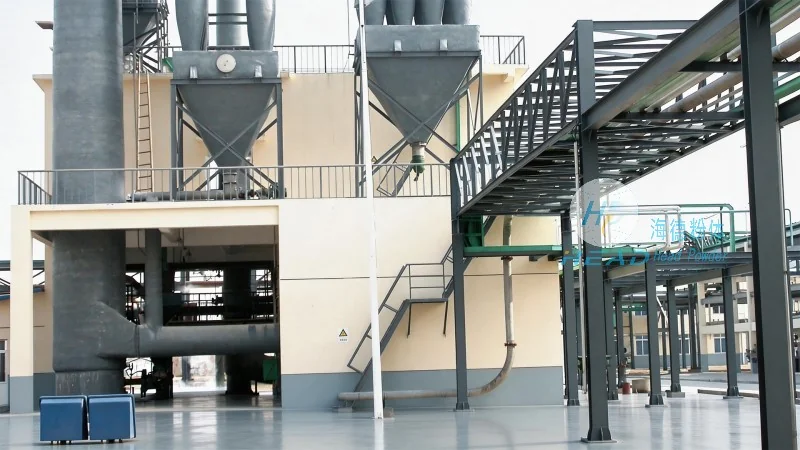
Installation and Maintenance Guidelines
The successful implementation of a coal particle pneumatic conveying system depends on proper installation and regular maintenance. Installation must follow the manufacturer's guidelines and industry standards to ensure the system operates safely and efficiently. Key aspects of installation include proper alignment of components, secure connections, and adequate support for the pipeline. Regular maintenance is essential to keep the system in optimal condition. This includes inspecting and cleaning the hopper, feeder, and receiver, checking for wear and tear on components, and replacing worn parts as needed. Proper maintenance can extend the system's lifespan and reduce the risk of breakdowns, ensuring consistent performance over time.
Environmental and Safety Considerations
Coal particle pneumatic conveying systems must comply with environmental and safety regulations to minimize the impact on the environment and ensure the safety of personnel. Dust control measures, such as dust collection systems and proper ventilation, are essential to prevent dust emissions and protect workers from inhalation hazards. The system must also be designed to prevent explosions or fires, especially in environments where coal dust is present. Proper grounding and bonding of components, as well as the use of explosion-proof equipment, can reduce the risk of fire and explosion. Compliance with local regulations and industry standards is crucial to ensure the system operates safely and meets environmental requirements.
Case Studies and Practical Applications
HeadPowder has successfully implemented coal particle pneumatic conveying systems in various industrial applications, including power plants, coal mines, and material handling facilities. These systems have demonstrated high efficiency and reliability in transporting coal over long distances and varying conditions. For example, a power plant in Shandong used a HeadPowder-designed system to transport coal from storage silos to the boiler, achieving a 15% reduction in energy consumption compared to traditional belt conveyors. Another application involved a coal mine where the system was used to transport coal from the mine face to the processing plant, improving operational efficiency and reducing labor costs. These case studies highlight the effectiveness of HeadPowder's engineering solutions in addressing the specific needs of industrial clients.
Conclusion and Future Trends
Designing a coal particle pneumatic conveying system requires a comprehensive approach that considers material characteristics, system components, and operational requirements. HeadPowder's expertise in engineering and design ensures that clients receive tailored solutions that meet their specific needs. By focusing on efficiency, reliability, and safety, HeadPowder's systems provide long-term value and contribute to the success of industrial operations. As technology advances, future trends may include the integration of smart sensors and automation to further enhance system performance and reduce operational costs. However, the fundamental principles of coal particle pneumatic conveying remain consistent, and HeadPowder remains committed to providing innovative solutions that meet the evolving needs of the industry.