

Principle and Classification of Dust Pneumatic Conveying Applications
Shandong HeadPowder Engineering Co., Ltd., commonly known as HeadPowder, is a professional manufacturer specializing in dust pneumatic conveying systems. The company is headquartered in Shandong, China, and has been dedicated to providing efficient and reliable solutions for material handling in various industries.
Principle of Dust Pneumatic Conveying
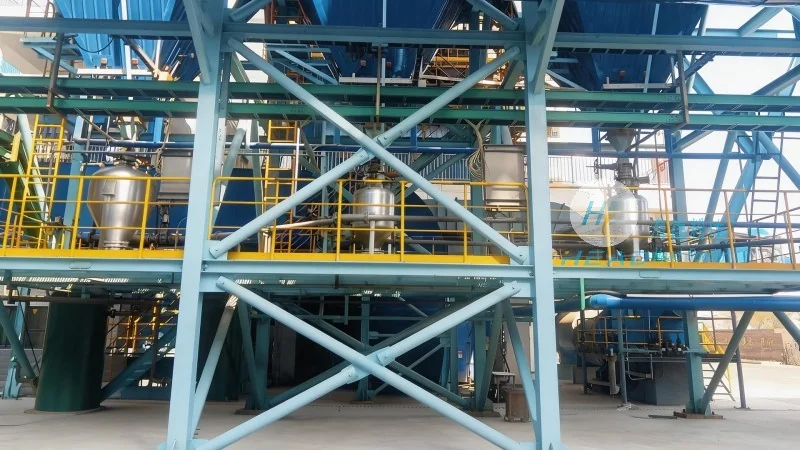
Dust pneumatic conveying, also known as pneumatic transport, is a method of transporting particulate materials through a pipeline using compressed air or other gas as the conveying medium. The core principle involves creating a pressure differential within the pipeline to move the material from the source to the destination. In this process, the material is suspended in the air stream, which allows it to be transported over long distances and through vertical or horizontal paths. The system typically consists of a material feed hopper, a conveyor line, a pressure vessel or receiver, and a control system. The compressed air is introduced at the inlet of the conveyor line, creating a low-pressure zone that draws the material into the pipeline. The air and material mixture then travels through the pipeline, with the material being separated from the air at the receiving end using a separator or cyclone. This separation process ensures that the material is delivered to the target location while the air is either recirculated or vented to the atmosphere.
Classification and Application of Pneumatic Conveying Systems
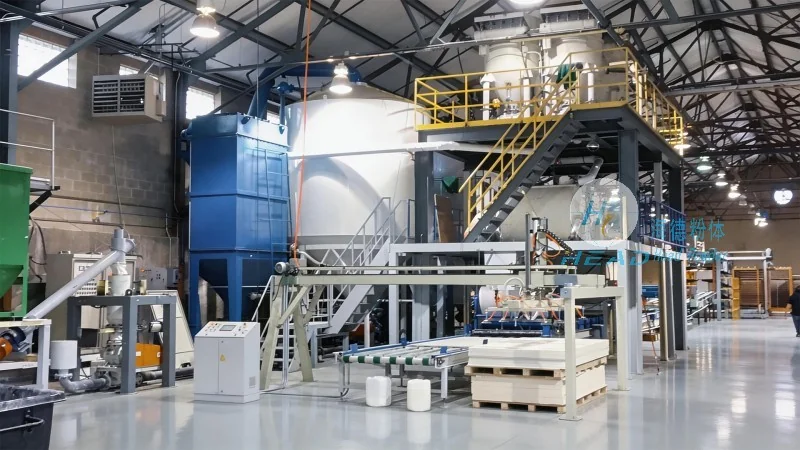
Pneumatic conveying systems are broadly classified into two main categories: pressure and vacuum systems. Pressure systems operate by introducing compressed air into the pipeline, creating a positive pressure that pushes the material forward. These systems are suitable for short to medium distances and can handle a wide range of materials, including fine powders, granules, and bulk solids. Vacuum systems, on the other hand, use a vacuum pump to create a negative pressure at the receiving end, drawing the material into the pipeline. Vacuum systems are ideal for long-distance transport and are commonly used in applications where the material needs to be collected from multiple sources or transported over obstacles.
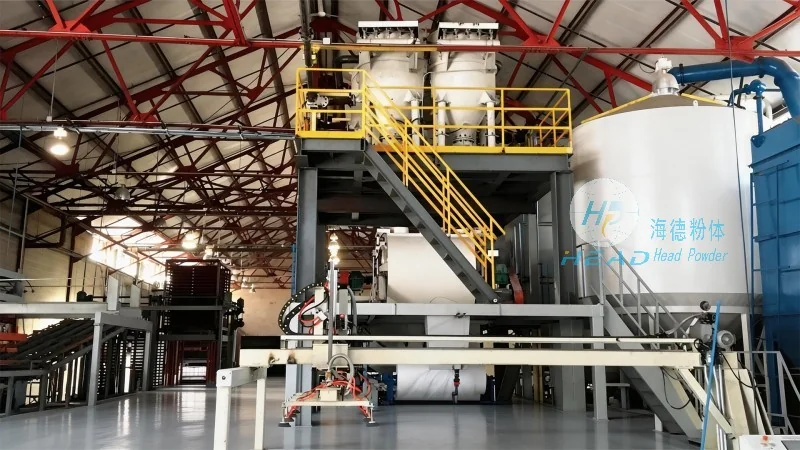
Within these main categories, there are several subtypes of pneumatic conveying systems, each designed for specific material characteristics and operational requirements. For example, dense-phase conveying is a method where the material is conveyed in a dense, slurry-like state, reducing the risk of material degradation and equipment wear. This type of system is particularly useful for transporting sensitive materials, such as pharmaceutical powders or food products. Dilute-phase conveying, in contrast, involves the material being suspended in a high-velocity air stream, allowing for faster transport over longer distances. This method is commonly used for bulk materials like cement, coal, and grain.
Applications in Various Industries
HeadPowder's pneumatic conveying systems are widely used across multiple industries, providing efficient material handling solutions. In the chemical industry, these systems are used to transport powders such as pigments, polymers, and catalysts, ensuring a clean and dust-free process. The food and beverage industry also benefits from pneumatic conveying, as it allows for the safe and hygienic transport of ingredients like flour, sugar, and spices. In the pharmaceutical sector, the systems are designed to meet stringent regulatory requirements, with features like closed-loop operation and sterile air handling to prevent contamination. The construction industry utilizes pneumatic conveying for transporting bulk materials like cement, sand, and gravel, reducing the need for manual handling and improving safety on job sites. Additionally, in the agricultural sector, these systems are used to move grain and other agricultural products from storage facilities to processing plants, enhancing operational efficiency.
Conclusion
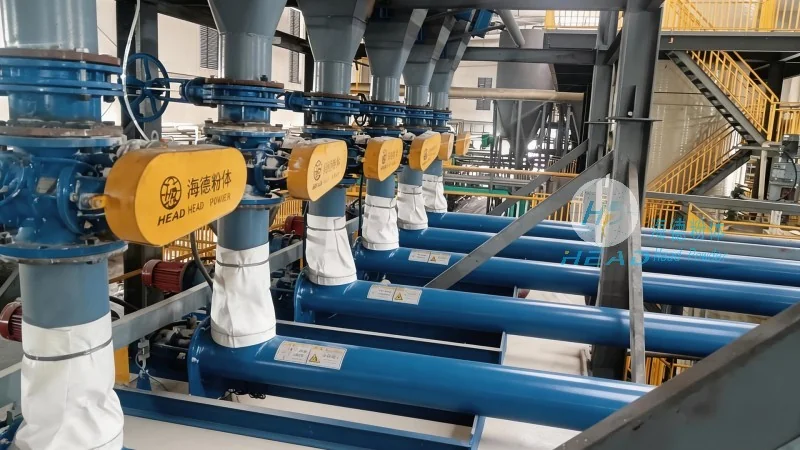
Shandong HeadPowder Engineering Co., Ltd. offers comprehensive dust pneumatic conveying solutions that cater to diverse industrial needs. By understanding the fundamental principles of pneumatic transport and selecting the appropriate system classification, industries can achieve efficient, reliable, and cost-effective material handling. The company's expertise in designing and manufacturing customized pneumatic conveying systems ensures that clients receive tailored solutions that meet their specific operational requirements, contributing to improved productivity and reduced downtime in material handling processes.