

Working Principle and Classification Applications of Boron Powder Pneumatic Conveying
For industrial applications involving boron powder, efficient material handling is crucial. Pneumatic conveying systems offer a reliable method to transport boron powder from one location to another, ensuring minimal product degradation and maintaining process integrity. This article explores the fundamental working principles of boron powder pneumatic conveying and categorizes its applications based on operational characteristics and industrial needs.
Introduction to Boron Powder Pneumatic Conveying
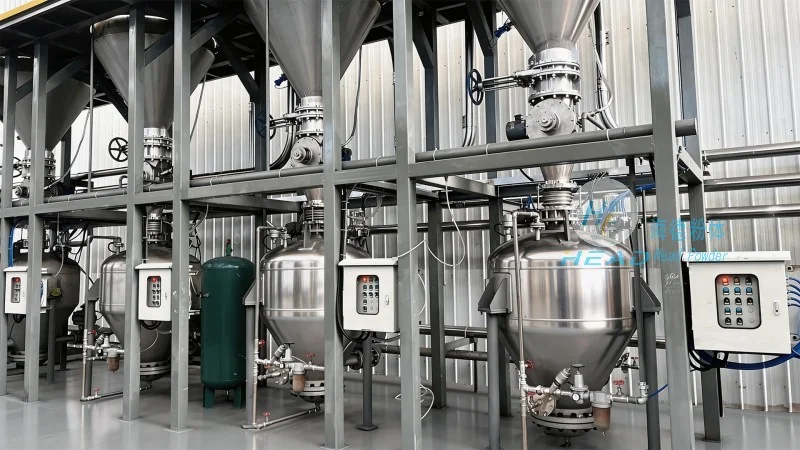
Boron powder, a key raw material in various industries such as metallurgy, ceramics, and chemical manufacturing, requires specialized handling due to its fine particle size and potential for dust generation. Pneumatic conveying addresses these challenges by utilizing air as the conveying medium to transport the powder through pipelines. The process involves creating a flow of air that lifts and transports the powder particles, eliminating the need for mechanical components like belts or buckets that might cause contamination or product damage.
Core Working Principle of Pneumatic Conveying Systems
The fundamental principle of pneumatic conveying is based on the interaction between air flow and solid particles. In a typical system, air is introduced into a hopper or feeder containing the boron powder. As the air flows through the system, it creates a pressure differential that lifts the powder particles into the air stream. The velocity of the air must be sufficient to overcome the gravitational force acting on the particles, ensuring they remain suspended and are transported through the pipeline. The system can operate under either positive pressure (where air is forced into the system) or negative pressure (where air is drawn out), depending on the specific application and layout requirements.
Classification of Pneumatic Conveying Systems for Boron Powder
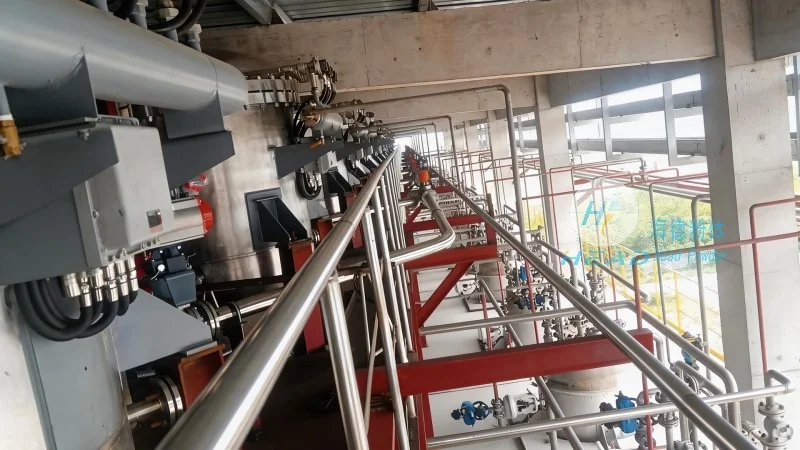
Pneumatic conveying systems for boron powder are broadly classified into two main categories: dilute-phase and dense-phase systems. Each type has distinct characteristics and is suited for different operational conditions and material properties.
Dilute-Phase Pneumatic Conveying
Dilute-phase systems operate at higher air velocities, typically ranging from 20 to 100 meters per second, with a low solids concentration (usually less than 10% by volume). This method is ideal for short-distance transport (up to several hundred meters) and applications where the powder is relatively free-flowing. The high air velocity ensures that the particles remain suspended, minimizing the risk of blockages or clogging in the pipeline. However, dilute-phase systems may require larger air volumes and higher energy consumption compared to dense-phase systems.
Dense-Phase Pneumatic Conveying
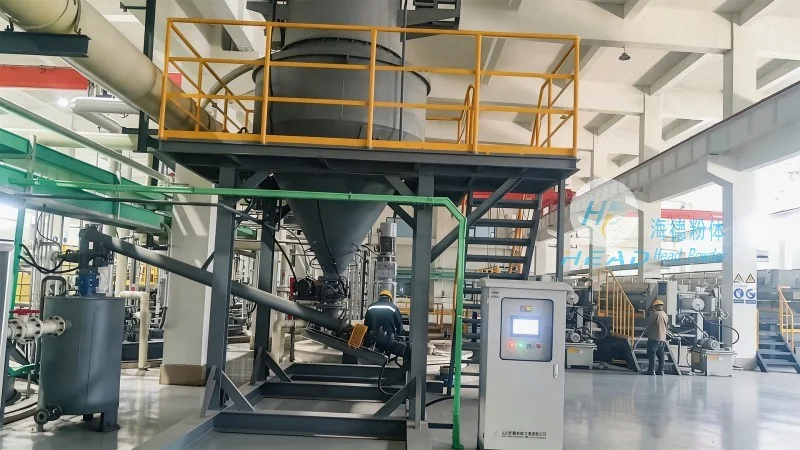
Dense-phase systems, also known as low-velocity or slugging systems, operate at lower air velocities (typically 5 to 15 meters per second) with a higher solids concentration (up to 30% by volume). This approach is particularly suitable for transporting abrasive or cohesive boron powders over longer distances (up to several kilometers) without causing excessive wear on the pipeline or equipment. The lower velocity reduces particle impact and friction, extending the service life of the system components. Dense-phase conveying also allows for more precise control over the material flow rate, making it suitable for applications requiring consistent feed rates to downstream processes.
Applications of Boron Powder Pneumatic Conveying
The classification of pneumatic conveying systems directly influences their application in boron powder handling. Dilute-phase systems are commonly used in scenarios where quick, low-cost transport is needed, such as moving boron powder from storage silos to processing units in a metallurgical plant. Dense-phase systems, on the other hand, are preferred for applications involving long-distance transport or handling of sensitive materials, like in the production of boron-based ceramics or chemical compounds.
Key Considerations for Implementing Boron Powder Pneumatic Conveying
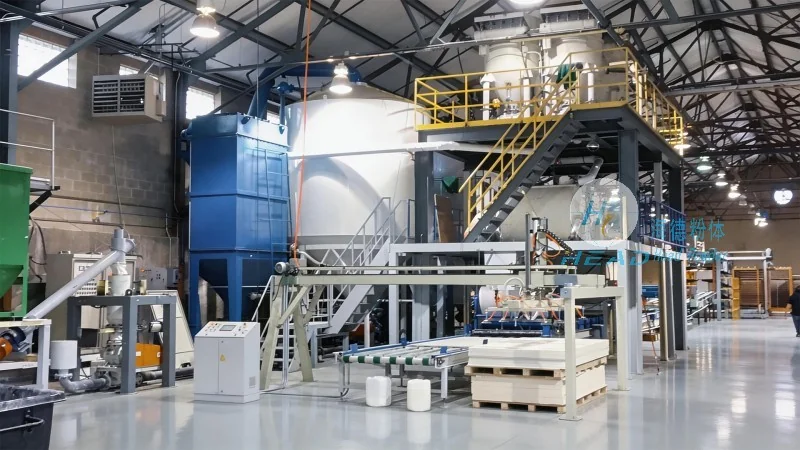
When designing a pneumatic conveying system for boron powder, several factors must be considered to ensure optimal performance and longevity. These include the particle size distribution, moisture content, and flow characteristics of the boron powder, as well as the system's operating pressure and air volume requirements. Proper equipment selection, such as high-quality air compressors, filter systems, and pipeline materials resistant to boron powder abrasion, is critical to prevent system failures and maintain product quality.
Conclusion
Pneumatic conveying offers an efficient and effective solution for handling boron powder in industrial settings. By understanding the working principles and classifying the systems according to operational needs, manufacturers can select the most suitable method to meet their specific requirements. The expertise of companies like Shandong HeadPowder Engineering Co., Ltd. (headpowder), with its base in Shandong, China, plays a vital role in designing and implementing these systems, ensuring reliable and safe boron powder transport in various industrial applications.