For industrial applications that require efficient material handling, the gray bin pneumatic conveying system stands out as a reliable solution. This system is designed to transport bulk materials such as powders, granules, and fine particles from a storage bin to processing units or other destinations. The core of this technology lies in its ability to use air pressure or vacuum to move materials through a pipeline network, eliminating the need for mechanical components like belts or buckets. In this overview, we will explore the key components, structural design, and operational principles of the gray bin pneumatic conveying system, highlighting its advantages and practical applications.
Key Components of the Gray Bin Pneumatic Conveying System
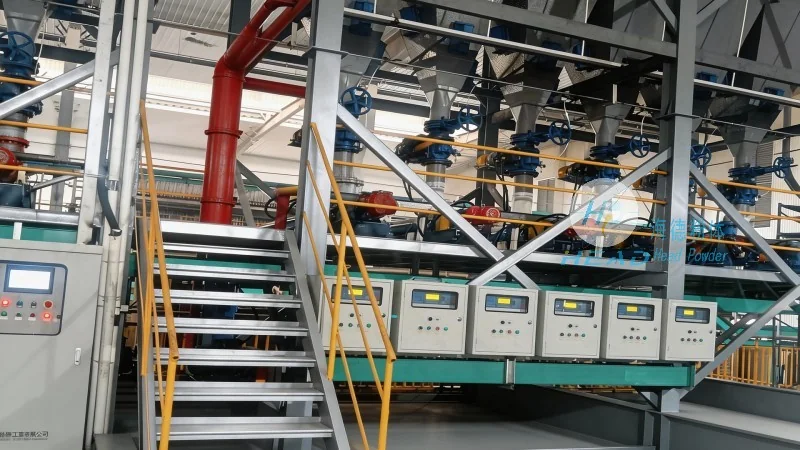
The gray bin pneumatic conveying system comprises several critical components that work in concert to ensure smooth material transport. The primary components include the storage bin, the airlock feeder, the conveying line, the control valve, and the receiver or discharge point. Each component plays a vital role in the overall functionality of the system.
The storage bin, often made of metal or high-density plastic, serves as the initial container for the bulk material. It is designed to hold large quantities of material and is typically equipped with a hopper or outlet at the bottom to facilitate material discharge. The bin's design ensures minimal material degradation and maintains consistent material flow.
The airlock feeder is a crucial component that connects the storage bin to the conveying line. Its primary function is to regulate the flow of material into the pipeline, preventing backflow and ensuring a steady supply of material. The airlock mechanism typically consists of a rotating or sliding valve that opens and closes to allow material to pass through in controlled quantities. This component is essential for maintaining system pressure and preventing dust emissions.
The conveying line is the central part of the system, consisting of a network of pipes that transport the material. The material is carried by a stream of air, which can be either positive pressure (blowing air into the pipe) or negative pressure (sucking air out of the pipe). The choice of pressure type depends on the material characteristics, distance to be conveyed, and system design. The pipes are usually made of stainless steel or other corrosion-resistant materials to withstand the abrasive nature of the conveyed materials.
The control valve, often located at the receiving end or along the conveying line, regulates the air flow and material discharge. It can be automated or manually operated, allowing for precise control over the conveying process. The valve ensures that the system operates at optimal pressure levels, preventing overloading or underloading of the pipeline.
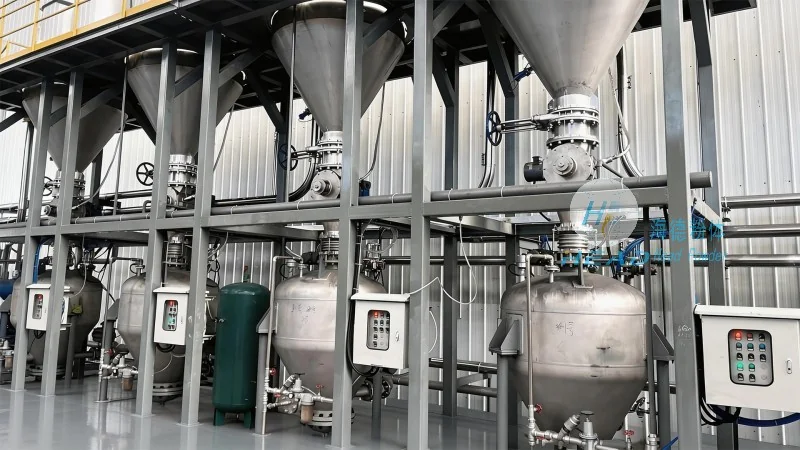
The receiver or discharge point is the final component where the material is deposited. It is typically a hopper or container that collects the material from the conveying line. The design of the receiver is important to prevent material buildup and ensure smooth discharge. Some systems may include additional equipment like a dust collector or a filter to capture any airborne particles and maintain a clean working environment.
Structural Design and Working Principle
The structural design of the gray bin pneumatic conveying system is tailored to meet the specific requirements of the material being transported. The system is typically installed vertically or at an angle to facilitate material flow from the storage bin to the conveying line. The vertical design is common for short to medium distances, while the angled design is used for longer distances or when the receiving point is at a lower elevation.
The working principle of the system is based on the principle of fluidization. When air is introduced into the conveying line, it creates a fluidized bed of material, allowing the particles to move freely and be carried by the air stream. The velocity of the air is critical; it must be sufficient to lift the material particles but not so high as to cause excessive wear on the pipes or components. The system operates by creating a pressure differential between the storage bin and the receiving point, which drives the material through the pipeline.
In positive pressure systems, a blower or compressor supplies compressed air into the conveying line, pushing the material forward. The air is then released at the receiving point, where it may be filtered or recirculated. In negative pressure systems, a vacuum pump creates a vacuum in the conveying line, drawing the material from the storage bin. The air and material mixture is then filtered and the material is collected at the receiver.
Advantages of the Gray Bin Pneumatic Conveying System
The gray bin pneumatic conveying system offers several advantages over traditional mechanical conveying methods. One of the key benefits is its ability to handle a wide range of materials, including abrasive, corrosive, or sensitive materials that may be damaged by mechanical components. The system is also flexible in terms of layout, as the conveying line can be arranged in various configurations to suit the space constraints of the facility.
Another advantage is the reduced risk of contamination and dust exposure. The enclosed pipeline system prevents material from coming into contact with the environment, minimizing the risk of contamination and reducing the need for dust control measures. This is particularly important in industries such as food processing, pharmaceuticals, and chemical manufacturing, where product purity is critical.
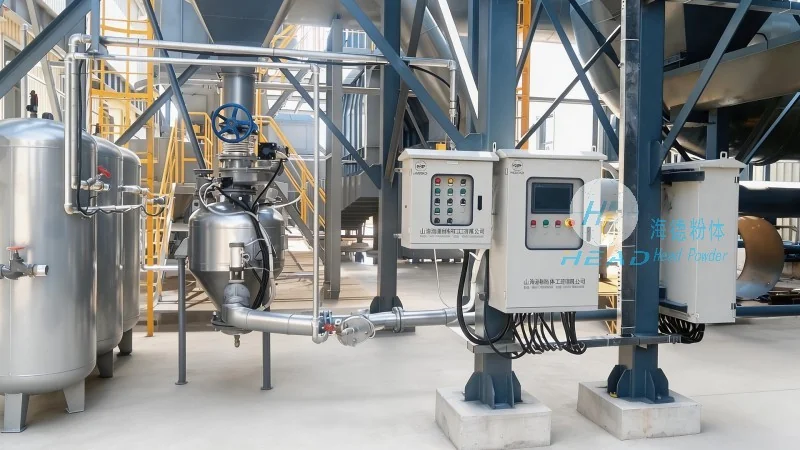
The system is also energy-efficient compared to other conveying methods. By using air as the conveying medium, the system can transport materials over long distances with relatively low energy consumption. Additionally, the system is easy to maintain and repair, as most components are accessible and can be replaced without extensive downtime.
Applications and Practical Considerations
The gray bin pneumatic conveying system is widely used in various industries, including food and beverage, pharmaceuticals, chemicals, and mining. In the food industry, it is commonly used to transport ingredients like flour, sugar, and spices from storage bins to processing lines. In the pharmaceutical industry, it is used to handle powders and granules that require sterile and contamination-free handling.
When implementing a gray bin pneumatic conveying system, several practical considerations must be taken into account. The first is the selection of the appropriate air pressure or vacuum level, which depends on the material's density, particle size, and moisture content. The second is the sizing of the conveying line and components, which must be matched to the material flow rate and distance to be conveyed. The third is the choice of materials for the components, such as stainless steel for corrosion resistance and wear resistance.
Regular maintenance is also essential to ensure the system operates efficiently and reliably. This includes checking the airlock feeder for wear, inspecting the conveying line for blockages or leaks, and cleaning the receiver and filter regularly. Proper maintenance can extend the lifespan of the system and reduce the risk of downtime.
Conclusion
The gray bin pneumatic conveying system is a versatile and efficient solution for bulk material handling in industrial applications. Its structural design and working principles make it suitable for a wide range of materials and applications. By understanding the key components and operational principles, users can select and operate the system effectively to meet their material handling needs. As technology advances, the system continues to evolve, offering improved performance and reliability for modern industrial processes.




