Shandong HeadPowder Engineering Co., Ltd., a leading manufacturer based in Shandong, China, specializes in the design and production of pneumatic conveying systems for diverse industrial applications. The company's focus is on providing efficient and reliable solutions for transporting bulk materials, with a particular emphasis on pelletized sand, which is widely used in industries such as foundry and construction.
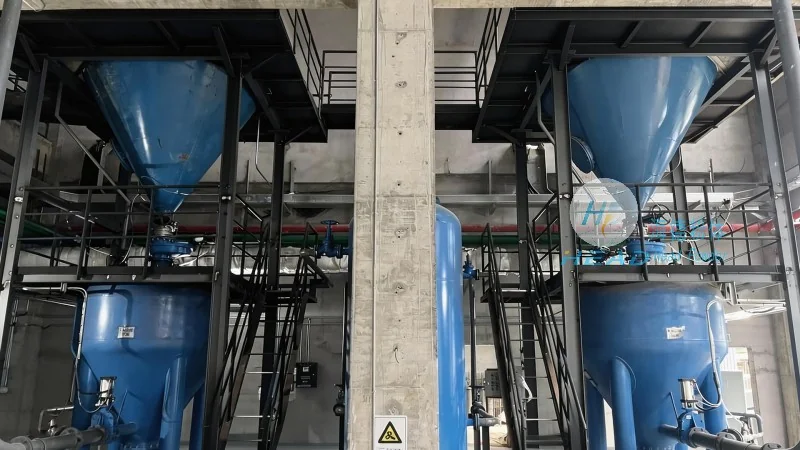
Pneumatic Conveying: An Overview
Pneumatic conveying is a technology that enables the transport of bulk materials through a pipeline using air or gas as the conveying medium. This method is particularly advantageous for pelletized sand due to its ability to handle materials without direct physical contact, minimizing product contamination and degradation. Unlike traditional methods like belt conveyors or bucket elevators, pneumatic systems offer a dust-free environment, which is crucial for maintaining material quality and ensuring workplace safety.
Core Components of a Pelletized Sand Pneumatic Conveying System
The structural design of a pelletized sand pneumatic conveying system consists of several key components that work in tandem to ensure efficient material transport. The primary components include the hopper, feeder, pipeline, receiver, and air handling unit. Each component plays a critical role in the overall operation of the system.
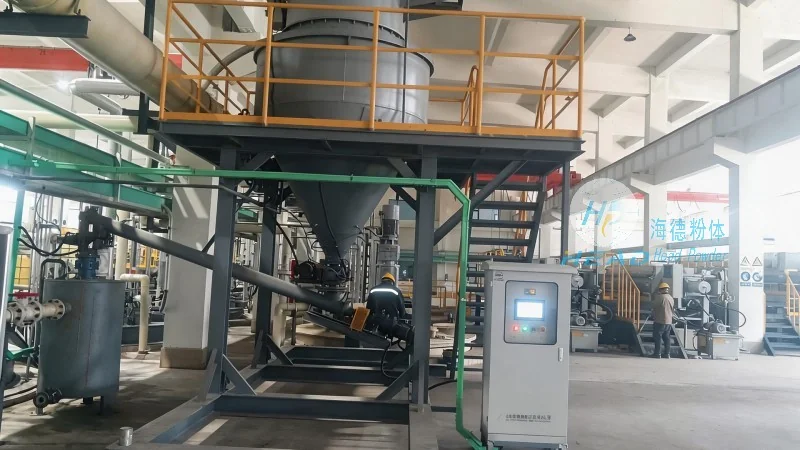
The hopper serves as the storage vessel for the pelletized sand, providing a consistent feed to the system. It is typically equipped with a lid and a discharge port that connects to the feeder. The feeder, often a rotary valve or screw feeder, regulates the flow rate of the material into the pipeline, ensuring a steady supply of sand. The pipeline, usually made of stainless steel or other corrosion-resistant materials, transports the sand and air mixture from the hopper to the receiver. The receiver collects the conveyed material and separates it from the air using a cyclone or filter system, allowing the sand to be discharged and the air to be returned to the system or vented.
Operational Principles: Vacuum and Pressure Systems
The operation of a pelletized sand pneumatic conveying system can be categorized into two main types: vacuum and pressure systems. In a vacuum system, a vacuum pump creates a pressure differential by drawing air and material from the hopper into the pipeline, moving the material towards the receiver. The air velocity in the pipeline must be sufficient to keep the material suspended and prevent deposition. In a pressure system, a blower or compressor pushes air and material from the hopper through the pipeline to the receiver. The pressure system is generally more suitable for longer distances or when the material needs to be transported against gravity.
Advantages of Pelletized Sand Pneumatic Conveying
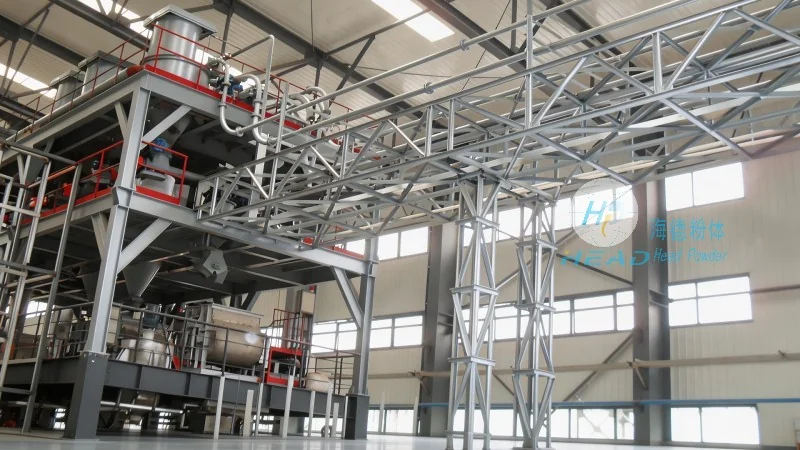
Pelletized sand pneumatic conveying offers several benefits that make it a preferred choice for industrial applications. One of the key advantages is the ability to transport materials in a dust-free environment, which is essential for maintaining product quality and reducing health hazards. The system also allows for flexible system layouts, as the pipeline can be installed in various configurations to suit the plant layout, including horizontal, vertical, or inclined runs. Additionally, the system can be integrated with other processing equipment, such as mixing or drying units, to form a complete production line, enhancing overall operational efficiency.
Applications in Industrial Settings
Pelletized sand pneumatic conveying systems are widely used in industries where bulk material transport is critical. In the foundry industry, for example, these systems are used to transport sand from storage to casting machines, ensuring a consistent supply of material for the casting process. The systems help maintain the quality of the sand by preventing contamination and ensuring uniform particle size distribution. Other applications include sand reclamation systems, where used sand is recycled and conveyed back to the casting process, reducing waste and lowering material costs. In construction and manufacturing, the systems are also used for transporting sand for mixing, plastering, or other applications where precise material handling is required.
Maintenance and Considerations for Optimal Performance
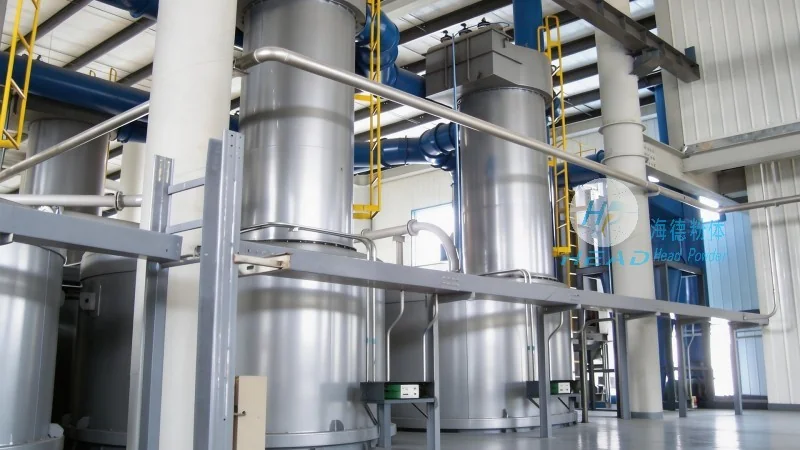
Proper maintenance is essential to ensure the long-term performance and reliability of a pelletized sand pneumatic conveying system. Regular cleaning of the hopper, feeder, and pipeline is necessary to prevent material buildup and blockages, which can lead to system downtime. The air filter and cyclone separator must be checked and cleaned regularly to maintain air quality and prevent dust emissions. Additionally, the system's components, such as the vacuum pump or blower, require periodic inspection and maintenance to ensure optimal operation. It is also important to monitor the system's performance parameters, such as air flow rate and pressure, to detect any issues early and prevent major failures.
Conclusion
Pelletized sand pneumatic conveying is an efficient and reliable method for transporting bulk materials, offering advantages such as dust-free operation, flexible system design, and integration with other processing equipment. Shandong HeadPowder Engineering Co., Ltd. provides high-quality pneumatic conveying systems tailored to the specific needs of its clients, ensuring optimal performance and cost-effectiveness. With its expertise in designing and manufacturing pneumatic systems, the company helps industries improve their material handling processes, enhance productivity, and maintain product quality.




