Introduction to Polyethylene Pneumatic Conveying and Structural Principles
Release time:2026-09-21 18:01:43
name of the company:Shandong Headpowder Engineering Co., Ltd.
telephone:156-6277-7102
contacts:Zhang manager
For professionals in the material handling sector, a comprehensive understanding of pneumatic conveying systems is vital, particularly when managing polyethylene materials. This article offers an overview of polyethylene pneumatic conveying systems, detailing their structural components and operational principles. The insights are provided by Shandong HeadPowder Engineering Co., Ltd., a leading material handling solutions provider headquartered in China.
Key Components of Polyethylene Pneumatic Conveying Systems
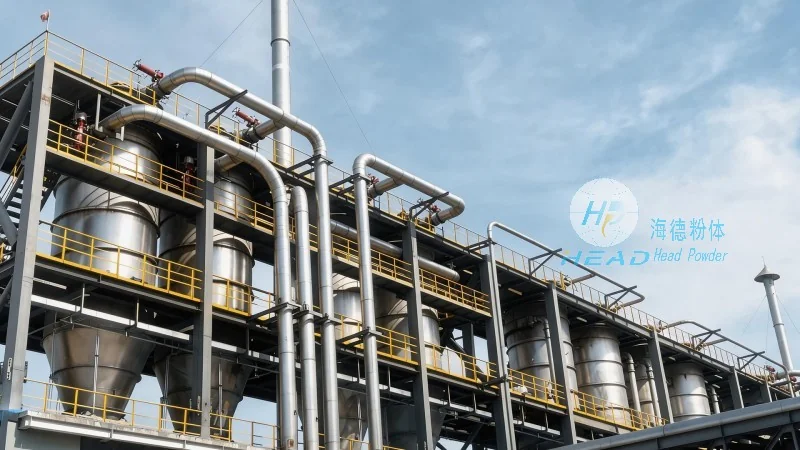
Polyethylene pneumatic conveying systems are engineered to transport polyethylene particles or pellets through an enclosed system using air or gas as the conveying medium. The core components typically include:
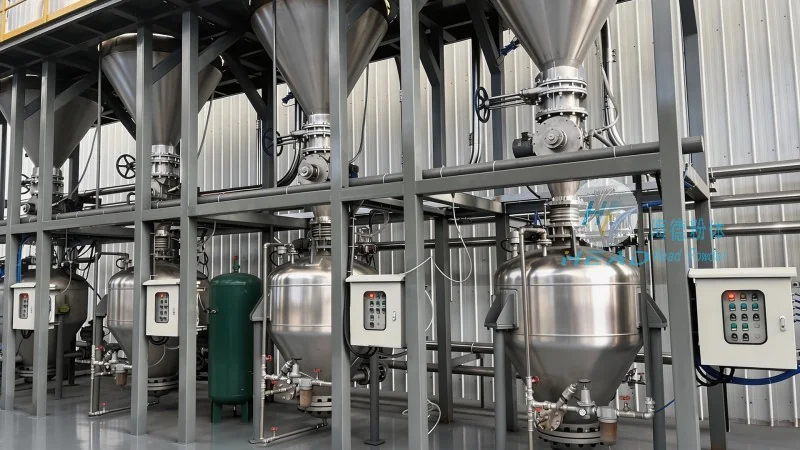
- Feed Hopper: This component stores and feeds polyethylene material into the system, often featuring a hopper design to maintain consistent material flow.
- Conveying Line: The main pipeline that transports polyethylene. It can be constructed from materials like stainless steel or specialized plastics, depending on the polyethylene's characteristics.
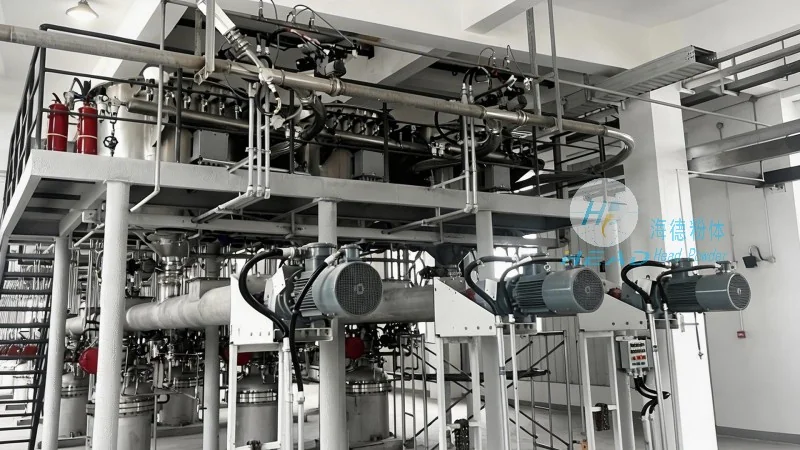
- Air or Gas Source: A blower or compressor that generates the air or gas pressure necessary to move polyethylene particles. The air source selection depends on the system's capacity and the polyethylene's properties.
- Separation and Collection Equipment: Devices such as cyclones or filters that separate polyethylene from conveying air and collect it in a designated container.
Working Principles of Polyethylene Pneumatic Conveying
The operation of a polyethylene pneumatic conveying system relies on creating a pressure differential. When the air source activates, it generates an air or gas flow through the conveying line. Polyethylene material is introduced via a feed hopper and is then entrained by the moving air stream. As the air flows through the line, it carries the polyethylene particles to the destination point. At the end of the line, a separation device removes the polyethylene from the air, allowing it to be collected in a storage bin or processing unit.
Structural Design Considerations for Polyethylene Pneumatic Conveying
The structural design of a polyethylene pneumatic conveying system must account for several factors to ensure efficient and reliable operation. These include:
- Material Compatibility: System components must be compatible with polyethylene, which can be abrasive or have specific chemical properties. Materials like stainless steel or specialized plastics are used to prevent corrosion and wear.
- Pressure and Flow Rates: The design must consider required pressure and flow rates to achieve the desired conveying capacity. Proper sizing of the blower, conveying line diameter, and feed hopper dimensions is critical to avoid blockages or inefficiencies.
- Temperature Management: Polyethylene can be sensitive to temperature changes, affecting its flow characteristics or mechanical properties. The system may include temperature control features to maintain optimal conditions during transport.
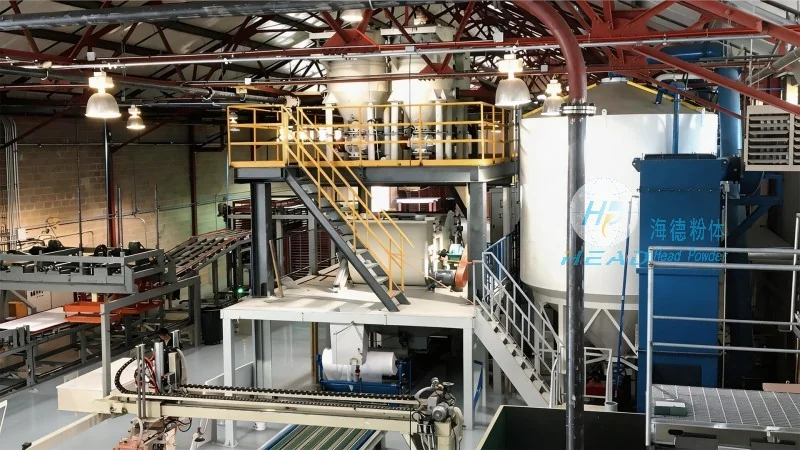
- System Integration: The polyethylene pneumatic conveying system is often integrated with other processing equipment, such as mixers or extruders. The design must ensure seamless integration to maintain the integrity of the polyethylene material and overall production line efficiency.
Applications of Polyethylene Pneumatic Conveying
Polyethylene pneumatic conveying systems are widely used across industries including plastics manufacturing, chemical processing, and food processing. They are especially suitable for applications requiring long-distance or complex layout transport without mechanical components like conveyor belts or rollers.
Conclusion
Understanding the structural principles and operational mechanics of polyethylene pneumatic conveying systems is essential for optimizing material handling processes. By leveraging the expertise of companies like Shandong HeadPowder Engineering Co., Ltd., industries can implement efficient and reliable systems that enhance productivity and reduce operational costs. The detailed design and integration of these systems ensure polyethylene materials are transported safely and effectively, meeting the demands of modern manufacturing processes.




