

Operation Process and Working Principle of Negative Pressure Vacuum Material Pneumatic Conveying Sys
HeadPowder, a leading engineering company based in Shandong, China, specializes in the design, manufacturing, and installation of advanced material handling solutions. One of their core products is the negative pressure vacuum material pneumatic conveying system, which efficiently transports bulk materials over long distances with minimal maintenance and operational costs. This article delves into the detailed operation process and working principle of such a system, providing a comprehensive understanding for potential users and industry professionals.
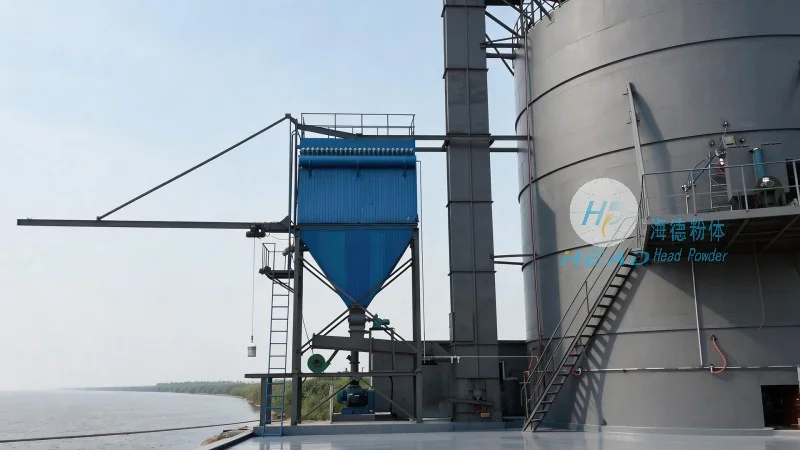
Overview of the Negative Pressure Vacuum Pneumatic Conveying System
The negative pressure vacuum material pneumatic conveying system is a sophisticated technology used to transport dry bulk materials from a source to a destination using air as the conveying medium. Unlike positive pressure systems that push air and material through a pipeline, negative pressure systems create a vacuum at the receiving end, drawing material from the source into the pipeline. This approach is particularly effective for handling fine powders, granules, and other particulate materials, ensuring minimal product degradation and consistent flow rates.
Key Components of the System
At the heart of the negative pressure vacuum conveying system are several critical components that work in tandem to ensure efficient material transport. These include the vacuum pump, material feed hopper, conveying pipeline, filter and cyclone separator, and the receiving hopper. Each component plays a vital role in the overall operation, contributing to the system's reliability and performance.
The Working Principle of the System
The operation of a negative pressure vacuum material pneumatic conveying system begins with the vacuum pump creating a low-pressure environment at the receiving end of the pipeline. This vacuum draws air and material particles from the source, typically a hopper or storage silo, into the conveying line. As the material is drawn into the pipeline, it mixes with the air, forming a suspension that travels through the pipeline to the receiving hopper. The filter and cyclone separator then separate the material from the air, capturing the particulate material and returning the cleaned air back to the system or to the environment.
Step-by-Step Operation Process
The operation process of the negative pressure vacuum conveying system can be broken down into several sequential steps, each designed to ensure smooth and efficient material transport:
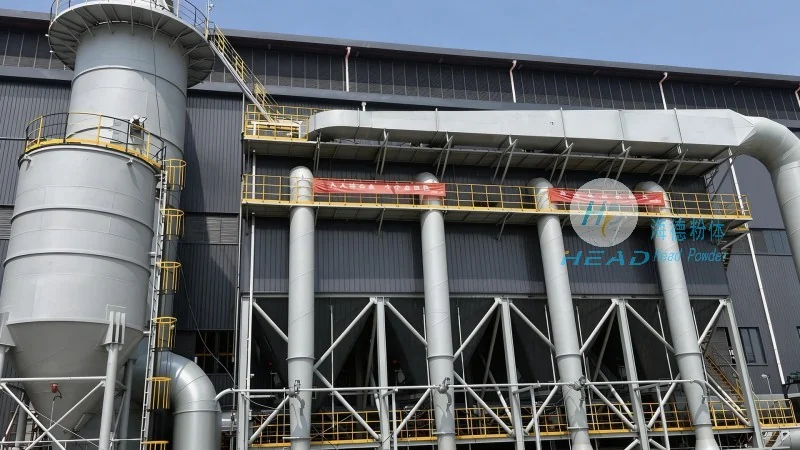
1. Material Preparation and Loading: The bulk material is loaded into the material feed hopper. The hopper is equipped with a feeder, such as a rotary valve or a screw feeder, which controls the flow rate of the material into the conveying line. This step ensures a consistent feed rate, preventing blockages and maintaining system stability.
2. Vacuum Creation: The vacuum pump is activated, creating a vacuum at the receiving end of the pipeline. The vacuum level is carefully controlled to match the material's properties and the system's design, ensuring optimal conveying efficiency.
3. Material Conveying: As the vacuum is established, the material is drawn from the feed hopper into the conveying pipeline. The material mixes with the air, forming a suspension that travels through the pipeline to the receiving hopper. The pipeline is typically made of stainless steel or other corrosion-resistant materials to handle various material types and prevent contamination.
4. Material Separation and Collection: At the receiving end, the filter and cyclone separator work together to separate the material from the air. The filter captures fine particles, while the cyclone uses centrifugal force to separate larger particles. The separated material is collected in the receiving hopper, ready for further processing or storage.
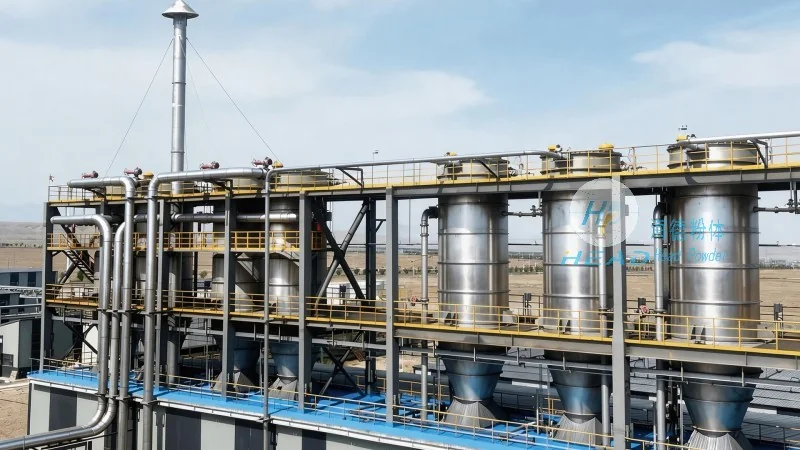
5. Air Recycling: The cleaned air, now free of material particles, is either returned to the system for reuse or released to the environment. This step ensures energy efficiency and reduces the overall operational cost of the system.
Advantages of the Negative Pressure Vacuum Pneumatic Conveying System
Compared to other material handling methods, the negative pressure vacuum conveying system offers several advantages that make it a preferred choice for many industries. These include:
- Low Maintenance and Operational Costs: The system requires minimal maintenance, as there are no moving parts in the conveying line, and the vacuum pump operates efficiently with low energy consumption.
- Minimal Product Degradation: The gentle handling of materials, especially fine powders, prevents breakage and agglomeration, maintaining the quality of the product.
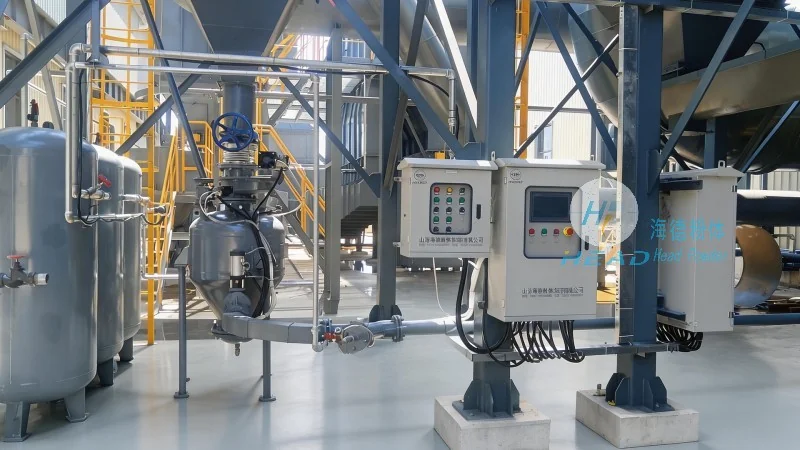
- Flexibility in Material Handling: The system can handle a wide range of materials, including powders, granules, and even some liquid slurries, making it versatile for various applications.
- Long-Distance Conveying: The system can transport materials over long distances with minimal pressure drops, ensuring consistent flow rates and system performance.
Applications and Industries
The negative pressure vacuum material pneumatic conveying system is widely used in various industries, including food processing, pharmaceuticals, chemicals, and minerals. Its ability to handle sensitive materials and maintain product quality makes it an ideal solution for applications where product integrity is critical.
Conclusion
HeadPowder's negative pressure vacuum material pneumatic conveying system is a reliable and efficient solution for bulk material handling. By understanding the detailed operation process and working principle, users can appreciate the technology's benefits and make informed decisions about its application in their operations. With its low maintenance requirements, minimal product degradation, and versatility, this system continues to be a preferred choice for industries seeking effective and cost-efficient material transport solutions.