Embolic material handling equipment, as a specialized device in the field of material transportation, plays a crucial role in modern industrial production. This equipment is designed to transport materials through a series of controlled processes, ensuring efficient and safe material movement within production lines. The operation of such systems involves precise control mechanisms and advanced engineering principles to achieve optimal performance. In this article, we will explore the detailed operation process and working principle of embolism type material handling equipment, providing insights into its functionality and application in industrial settings.
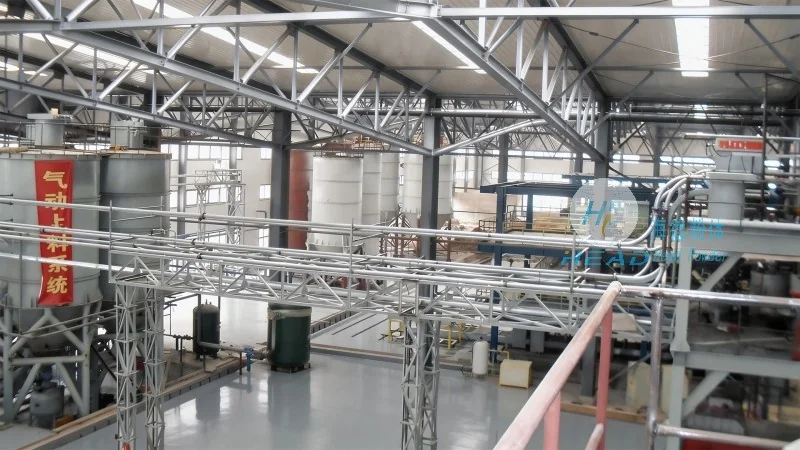
Company Profile: Shandong HeadPowder Engineering Co., Ltd.
HeadPowder, a leading manufacturer in the material handling industry, specializes in the design, development, and production of advanced material handling solutions. With a strong commitment to innovation and quality, the company has established itself as a trusted partner for businesses seeking reliable and efficient material transportation systems. HeadPowder's headquarters is located in Shandong, China, where the company leverages local resources and expertise to deliver high-performance equipment tailored to diverse industrial needs. The company's products are widely used in various sectors, including manufacturing, logistics, and construction, demonstrating the versatility and effectiveness of their material handling solutions.
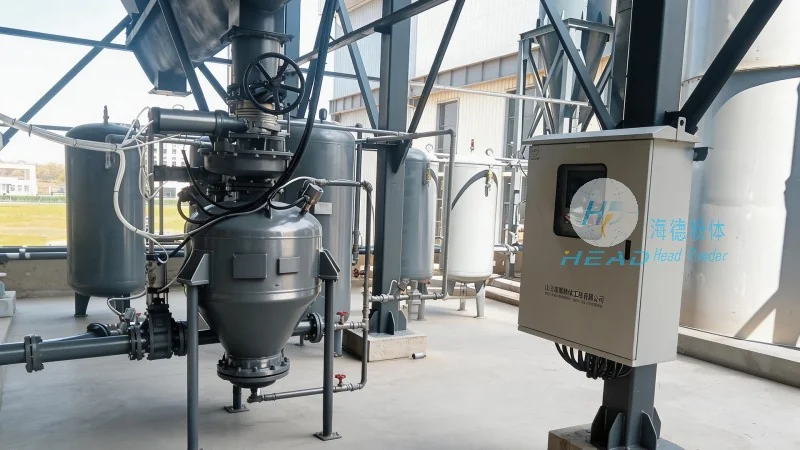
Key Components and Structure of Embolism Type Material Handling Equipment
The embolism type material handling equipment typically consists of several key components that work in harmony to facilitate material transport. These components include a feeding mechanism, a conveying system, control units, and safety features. The feeding mechanism is responsible for introducing materials into the system, ensuring a consistent flow of items. The conveying system, which may include belts, rollers, or other transport media, moves the materials through the system based on the operational requirements. Control units, often equipped with advanced sensors and software, monitor and regulate the entire process, ensuring precision and safety. Safety features, such as emergency stop buttons and overload protection, are integrated to prevent accidents and protect both personnel and equipment.
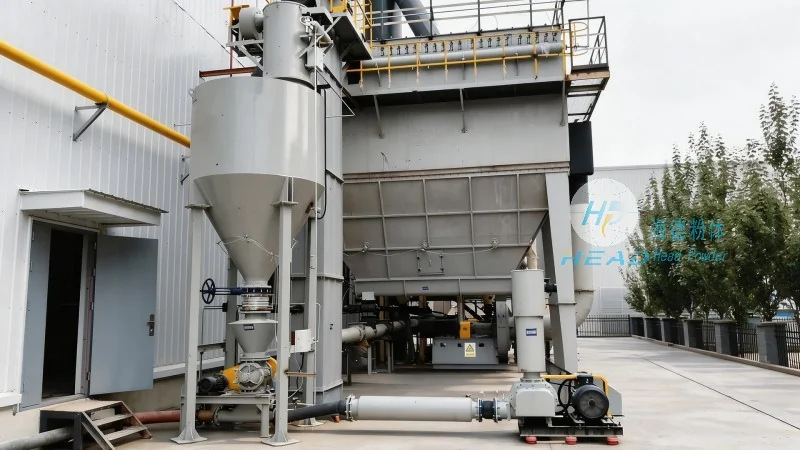
Working Principle of Embolism Type Material Handling Equipment
The working principle of embolism type material handling equipment is based on the concept of controlled material movement through a series of stages. The process begins with the material being fed into the system, where it is then transported through the conveying system. The equipment uses various mechanisms, such as gravity, mechanical force, or pneumatic systems, to move the materials along the designated path. The control units play a critical role in managing the speed, direction, and timing of the material movement, ensuring that the process is carried out efficiently and without interruptions. The system is designed to handle a wide range of materials, from small particles to bulk items, adapting to different production needs. The integration of sensors and feedback mechanisms allows for real-time monitoring and adjustment, enhancing the overall performance and reliability of the equipment.
Operation Process of Embolism Type Material Handling Equipment
The operation process of embolism type material handling equipment involves several sequential steps that ensure smooth and continuous material transport. The first step is the preparation phase, where the equipment is set up and checked for proper functionality. This includes verifying the alignment of components, checking the status of control units, and ensuring that safety measures are in place. The second step is the material feeding phase, where the materials are introduced into the system. The feeding mechanism may use gravity, mechanical feeders, or other methods to deliver the materials at a controlled rate. The third step is the conveying phase, where the materials are transported through the conveying system. The speed and direction of the conveying system are adjusted based on the material characteristics and production requirements. The fourth step is the processing or sorting phase, where the materials may undergo additional operations, such as sorting, packaging, or quality inspection. The final step is the discharge phase, where the processed materials are removed from the system and directed to the next stage of production. Throughout the operation process, the control units continuously monitor the system's performance, making adjustments as needed to maintain optimal operation.
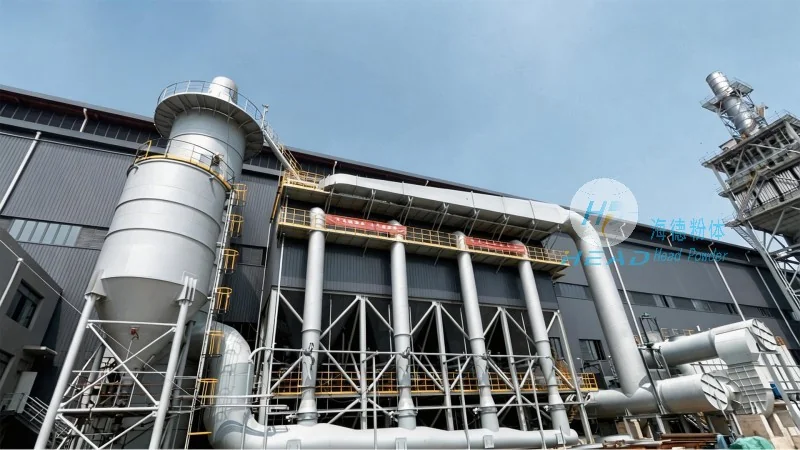
Advantages and Applications of Embolism Type Material Handling Equipment
Embolic material handling equipment offers several advantages that make it a preferred choice in industrial applications. These advantages include high efficiency, as the system can transport materials at a consistent and controlled rate, reducing downtime and increasing productivity. The equipment also provides safety features that minimize the risk of accidents and injuries, ensuring a secure working environment. Additionally, the flexibility of the system allows it to handle a wide range of materials, making it suitable for various industries. The applications of embolism type material handling equipment are diverse, including manufacturing plants, warehouses, and construction sites. In manufacturing, the equipment is used to transport raw materials to production lines and finished products to packaging areas. In warehouses, it helps in the movement of inventory, facilitating order picking and storage. In construction, it assists in the transportation of building materials, improving the efficiency of construction processes. Overall, the embolism type material handling equipment is a versatile and reliable solution for material transportation needs in modern industrial settings.




