

Operation Process and Working Principle of Automatic Mixing and Feeding Material Handling System Equ
Shandong HeadPowder Engineering Co., Ltd. specializes in the design, manufacturing, and supply of advanced automatic mixing and feeding material handling systems. These systems are engineered to meet the demanding requirements of modern industrial production, offering high efficiency, precise control, and reliability in material processing. The company, based in Shandong, China, has established itself as a leading provider in the field, delivering solutions tailored to various industrial applications.
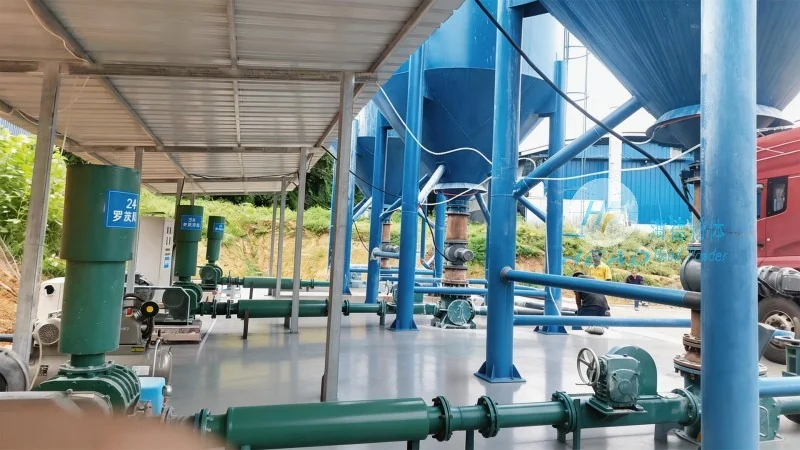
Overview of the Automatic Mixing and Feeding Material Handling System
The automatic mixing and feeding material handling system is a sophisticated piece of equipment designed to streamline the process of handling, mixing, and transporting bulk materials. It integrates multiple functional modules, including material feeding, weighing, mixing, and conveying, all controlled by a centralized system. This integration ensures seamless operation and optimal performance in production lines, particularly in industries such as pharmaceuticals, food processing, chemical manufacturing, and more.
Key Components and Their Functions
The system typically comprises several key components, each playing a crucial role in the overall operation. The primary components include:
- Material Feeder: This component is responsible for delivering raw materials into the system. It may use various mechanisms like screw conveyors, belt conveyors, or vibratory feeders, depending on the material characteristics and processing requirements.
- Weighing and Dosing Unit: Equipped with high-precision load cells and sensors, this unit measures the exact amount of material being fed. It ensures accurate dosing by comparing the actual weight with the set target, adjusting the feeding rate in real-time to maintain the desired ratio.
- Mixing Chamber: The mixing chamber is where the materials are combined to achieve the required blend. It may utilize mechanical agitators, paddle mixers, or even pneumatic mixing systems, depending on the material's properties and the desired mixing intensity.
- Conveying System: After mixing, the material is transferred to the next stage of production. The conveying system can include screw conveyors, pneumatic conveyors, or bucket elevators, designed to handle the mixed material efficiently and safely.
- Control System: A sophisticated control panel or a programmable logic controller (PLC) manages all operations. It monitors parameters such as temperature, pressure, and material flow, and adjusts settings automatically to maintain optimal performance. The system may also include human-machine interfaces (HMIs) for operators to set parameters and monitor the process.
Operation Process of the System
The operation of the automatic mixing and feeding material handling system follows a systematic sequence to ensure consistent and accurate material processing. The process typically begins with the preparation of the system, where the mixing chamber is cleared and the control system is initialized. Here are the main steps involved:
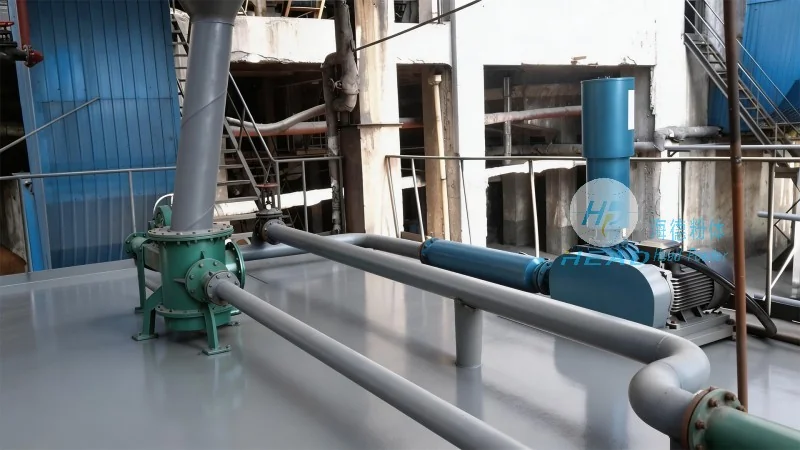
- Material Loading: Raw materials are loaded into the feeder hopper. The system may have multiple hoppers for different materials, allowing for the simultaneous feeding of several components.
- Setpoint Configuration: The operator inputs the desired mixing ratio and other parameters into the control system. This includes the target weight for each material and the mixing time.
- Feeding and Weighing: The control system activates the feeders, and the weighing unit starts measuring the amount of material being discharged. The system continuously compares the actual weight with the setpoint, adjusting the feeding speed to maintain accuracy.
- Mixing: Once the correct amount of each material is fed into the mixing chamber, the agitator or mixer starts operating. The mixing process continues for a predefined duration to achieve a homogeneous blend.
- Conveying: After mixing, the material is transferred to the conveying system. The conveyor is activated, and the mixed material is transported to the next processing stage or storage area.
- Completion and Reporting: The system stops once the material has been fully conveyed. The control system records the process data, including the amount of each material used, mixing time, and any deviations. This data can be used for quality control and process optimization.
Working Principle of the System
The working principle of the automatic mixing and feeding material handling system is based on the integration of mechanical, electrical, and control technologies to achieve precise and automated material handling. The core of the system lies in its ability to measure, control, and mix materials with high accuracy. Here's a detailed breakdown of the working principle:
First, the system relies on sensors and transducers to provide real-time feedback on the material status. Load cells in the weighing unit convert the weight of the material into an electrical signal, which is then processed by the control system. This allows for immediate adjustments to the feeding rate, ensuring that the actual weight matches the target weight within a very narrow tolerance.
Second, the mixing process is governed by the mechanical design of the mixing chamber. The agitator or mixer rotates at a controlled speed, creating a turbulent flow that promotes the uniform distribution of the materials. The speed and duration of mixing are determined by the material's properties, such as particle size, density, and flowability, as well as the desired final product characteristics.
Third, the conveying system operates based on the principles of fluid dynamics or mechanical force. For example, a screw conveyor uses the rotation of a screw to move material forward, while a pneumatic conveyor uses air pressure to transport the material through a pipeline. The speed of the conveyor is adjusted to match the output of the mixing chamber, preventing material accumulation or bottlenecks.
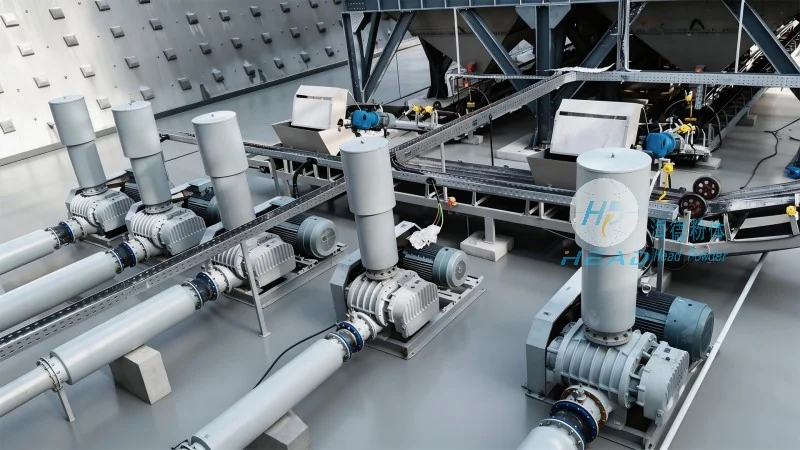
Finally, the control system acts as the brain of the operation. It processes all the sensor inputs, compares them with the setpoints, and sends control signals to the actuators (such as motors and valves) to adjust the system parameters. The system may also include safety features, such as emergency stop buttons and overload protection, to ensure the safety of operators and equipment.
Benefits and Applications
The automatic mixing and feeding material handling system offers numerous benefits to industrial manufacturers. These include improved production efficiency, reduced labor costs, enhanced product consistency, and increased safety. The system's ability to handle a wide range of materials and adapt to different production requirements makes it suitable for various applications:
- Pharmaceutical Industry: Used for the precise mixing of active pharmaceutical ingredients (APIs) and excipients to ensure the uniformity of drug formulations.
- Food Processing: Employed in the production of food products, such as powders, snacks, and beverages, to maintain consistent flavor and texture.
- Chemical Manufacturing: Applied in the production of chemicals, where accurate mixing of reactants is critical for reaction efficiency and product quality.
- Mineral Processing: Utilized in the handling and mixing of minerals and ores, ensuring uniform composition for further processing.
By integrating advanced technology and robust design, Shandong HeadPowder Engineering Co., Ltd. provides reliable automatic mixing and feeding material handling systems that meet the highest standards of performance and safety. The company's commitment to quality and innovation ensures that its products deliver consistent results, helping manufacturers achieve their production goals efficiently and effectively.