

Operation Process and Working Principle of Positive Pressure Pressurized Material Handling Systems E
Shandong HeadPowder Engineering Co., Ltd., a leading manufacturer based in Shandong, China, specializes in the design, development, and production of advanced positive pressure pressurized material handling systems. These systems are engineered to efficiently transport bulk materials over long distances with high reliability and minimal maintenance requirements. The following content provides a detailed overview of the operational process and working principles of such equipment, highlighting the key components and their functions.
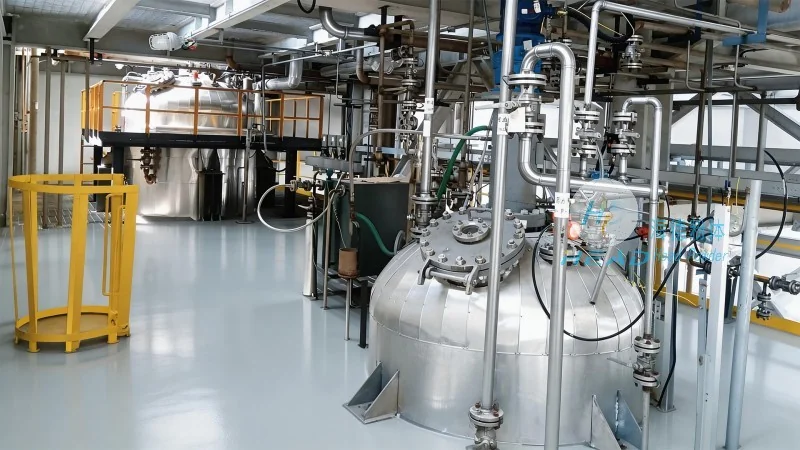
Key Components and Their Roles
The positive pressure pressurized material handling system typically consists of several core components that work in tandem to ensure smooth material transport. The primary elements include a material feeder, a positive pressure blower or fan, a pipeline network, and a series of control valves and dampers. Each component plays a critical role in the overall system performance. The material feeder is responsible for feeding the bulk material into the system, ensuring a consistent flow rate. The positive pressure blower generates the necessary air pressure to move the material through the pipeline. The pipeline network, often made of durable materials like stainless steel or high-density polyethylene, conveys the material from the source to the destination. Control valves and dampers are used to regulate the air flow and material distribution, allowing for precise control over the system operation.
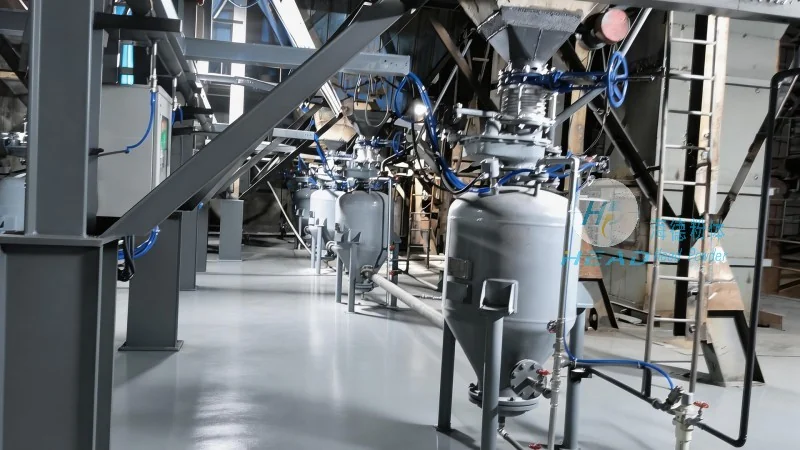
Working Principle of the System
The operation of a positive pressure pressurized material handling system is based on the principle of forced air movement. The system operates by creating a positive pressure environment within the pipeline, which propels the material particles forward. When the material feeder introduces bulk material into the system, the positive pressure blower supplies compressed air that mixes with the material, forming a slurry or suspension. This mixture is then transported through the pipeline under the pressure of the air flow. The control valves and dampers are strategically placed along the pipeline to adjust the air pressure and material flow, ensuring that the material reaches the desired destination without clogging or excessive pressure buildup. The system is designed to handle a wide range of materials, including powders, granules, and fine particles, making it versatile for various industrial applications.
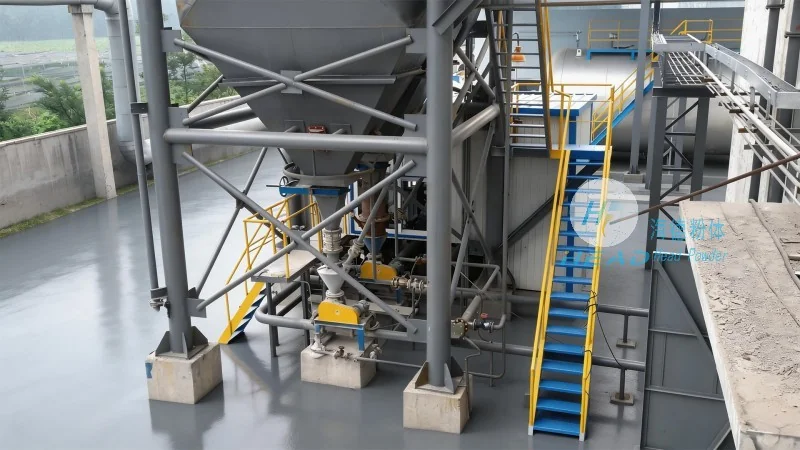
Operation Process Step-by-Step
The operational process of the positive pressure pressurized material handling system can be broken down into several key steps. First, the bulk material is fed into the system via the material feeder. The feeder ensures a steady supply of material, preventing any interruptions in the process. Next, the positive pressure blower activates and begins to generate the required air pressure. The air is then introduced into the pipeline, creating a positive pressure environment. As the air flows through the pipeline, it carries the material particles along with it, moving them from the source to the destination. The control valves and dampers are adjusted as needed to maintain the optimal pressure and flow rate. The system continuously monitors the pressure and flow parameters to ensure that the material is transported efficiently and safely. Finally, the material is discharged at the destination point, completing the cycle. This process is typically automated, with the system operating continuously without the need for manual intervention, except for routine maintenance and material replenishment.
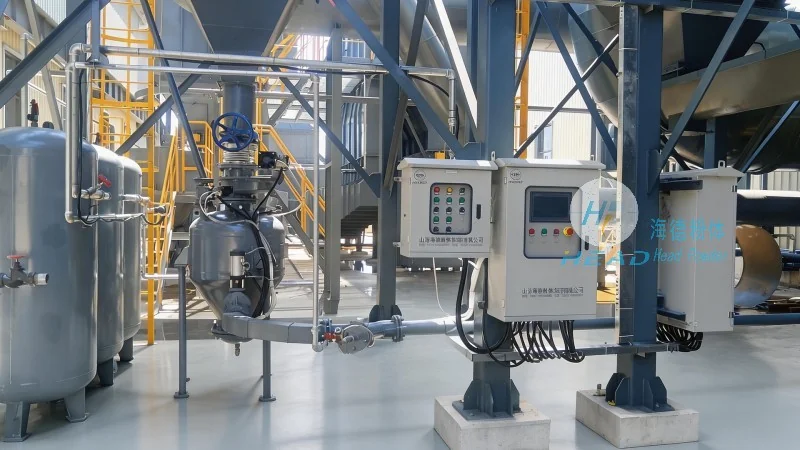
Advantages and Applications
Positive pressure pressurized material handling systems offer several advantages over traditional material transport methods. These systems are highly efficient, capable of transporting materials over long distances with minimal energy consumption. They are also highly reliable, with fewer moving parts and lower maintenance requirements compared to other systems. The systems are designed to handle a wide range of materials, including those that are abrasive or corrosive, making them suitable for various industrial applications. Common applications include the transport of cement, coal, grain, and other bulk materials in industries such as construction, mining, and agriculture. The systems are also used in pharmaceutical and food processing industries, where material purity and hygiene are critical.