

Operation Process and Working Principle of High-Temperature Fine Ash Material Conveying Lines
High-temperature fine ash material conveying lines are critical components in industrial applications, particularly in power plants and other facilities where the efficient transport of hot, fine particulate materials is essential. These systems are designed to handle materials with temperatures often exceeding 200°C, requiring specialized equipment to ensure safety, reliability, and optimal performance. The operation of such lines involves a series of interconnected processes, from material intake to discharge, each step carefully engineered to maintain the integrity of the material and the longevity of the equipment.
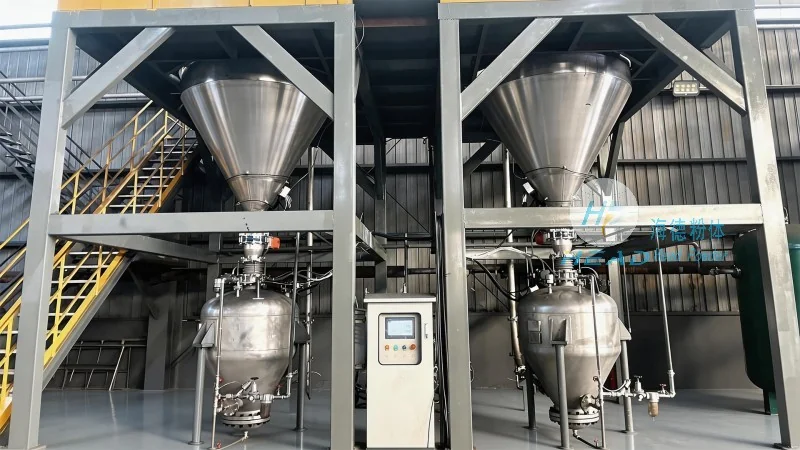
Working Principle of High-Temperature Fine Ash Material Conveying Lines
The core working principle of high-temperature fine ash material conveying lines revolves around the use of positive pressure or negative pressure systems to move the material through a network of pipes. In positive pressure systems, a fan or blower generates a stream of air that carries the fine ash particles forward. This method is effective for conveying materials over short to medium distances and is commonly used in applications where the material is relatively dry and free-flowing. Conversely, negative pressure systems, also known as suction systems, use a vacuum to draw the material into the conveying line. This approach is advantageous for handling dusty or potentially hazardous materials, as it minimizes the risk of dust leakage and contamination.
Within the conveying line, the material is typically transported using a combination of air and mechanical components. For example, in pneumatic conveying systems, the ash particles are suspended in the air stream and propelled through the pipe. The velocity of the air is carefully controlled to ensure that the particles remain suspended without settling or causing blockages. This requires precise regulation of air pressure and flow rate, which is managed by control valves and sensors integrated into the system. Additionally, the design of the pipe diameter and length is optimized to minimize pressure drop and energy consumption, ensuring efficient material transport.
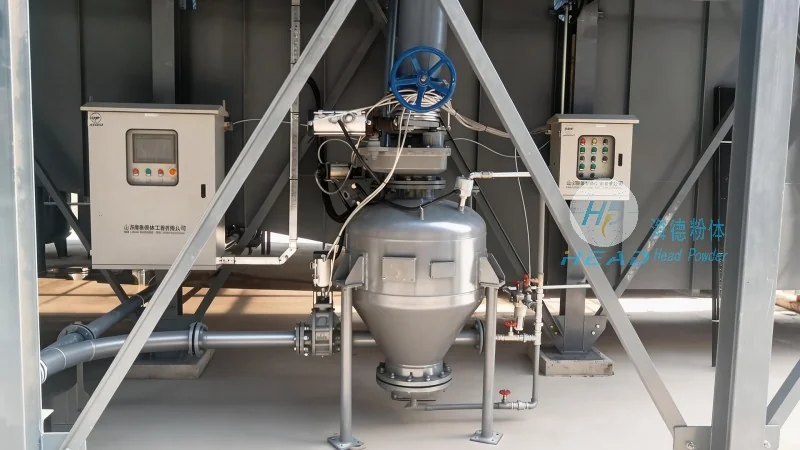
Key Components and Their Functions in the Conveying Line
Several key components work in tandem to enable the smooth operation of high-temperature fine ash material conveying lines. These include the material intake hopper, which collects the ash from the source and feeds it into the conveying line; the air supply system, which provides the necessary pressure or vacuum; the conveying pipes, which transport the material; and the discharge hopper, which collects the material at the end of the line. Each component plays a critical role in maintaining the system's efficiency and safety.
The material intake hopper is designed to handle the high temperatures of the ash and prevent material buildup or blockages. It often includes features such as temperature sensors and level indicators to monitor the material flow and prevent overfilling. The air supply system, whether positive or negative pressure, is equipped with filters and moisture separators to ensure that the air used for conveying is clean and free of contaminants. This is crucial for maintaining the quality of the ash and preventing damage to downstream equipment. The conveying pipes are typically made of corrosion-resistant materials, such as stainless steel or special alloys, to withstand the high temperatures and chemical properties of the ash. The pipe design may also include bends and elbows with smooth transitions to minimize friction and pressure loss.
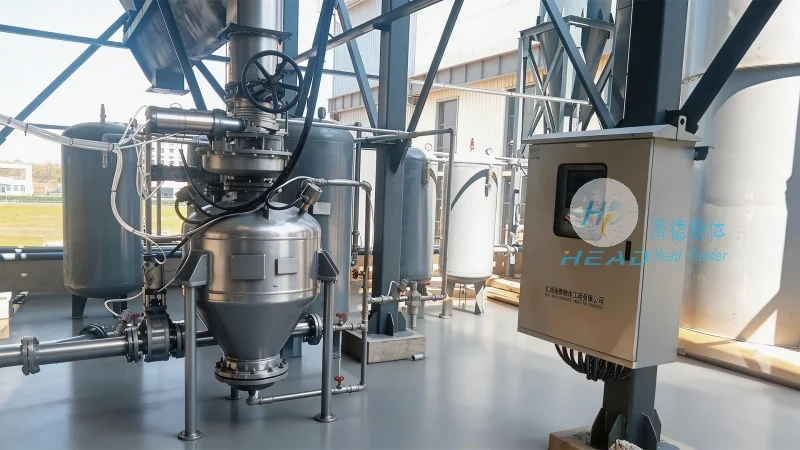
Operation Process: From Intake to Discharge
The operation process of a high-temperature fine ash material conveying line begins with the intake of the ash from the source, such as a boiler or furnace. The ash is collected in the intake hopper and then fed into the conveying line through a feeder mechanism. The feeder, which may be a rotary valve or a screw conveyor, regulates the flow of material into the line, ensuring a consistent and controlled feed rate. Simultaneously, the air supply system is activated, either by a fan or a vacuum pump, to create the necessary pressure or vacuum for conveying.
Once the material is introduced into the air stream, it is carried through the conveying pipes to the discharge hopper. The velocity of the air is maintained at a level sufficient to keep the ash particles suspended, preventing them from settling and causing blockages. The discharge hopper collects the ash and may include a valve or outlet to direct the material to its final destination, such as a storage silo or a processing unit. Throughout the process, sensors and control systems monitor key parameters, including temperature, pressure, and flow rate, to ensure that the system operates within safe and efficient limits.
Maintenance and Safety Considerations
Maintaining the performance and safety of high-temperature fine ash material conveying lines requires regular inspection and maintenance. This includes checking the condition of the pipes and components for signs of wear or corrosion, replacing worn parts as needed, and cleaning the system to remove accumulated ash or debris. Safety is a paramount concern in these systems, as the high temperatures and potential for dust explosions require strict adherence to safety protocols. Regular maintenance, such as inspecting the air filters and ensuring proper ventilation, helps to minimize the risk of accidents and ensure the longevity of the equipment.
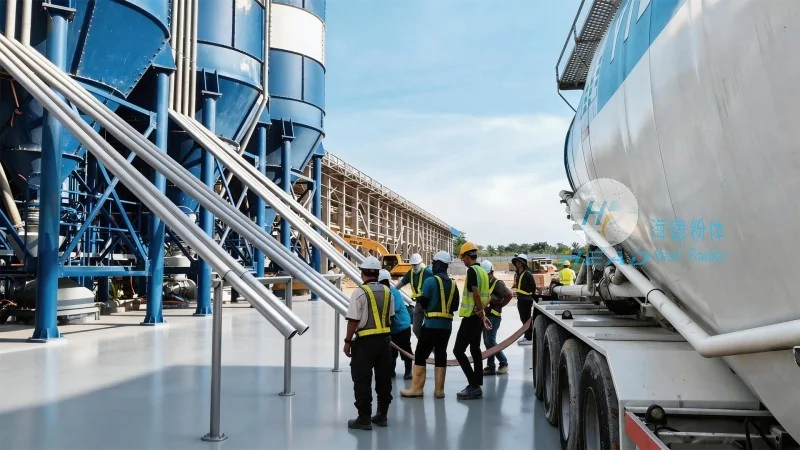
Shandong HeadPowder Engineering Co., Ltd., a leading provider of industrial conveying solutions, specializes in designing and manufacturing high-temperature fine ash material conveying lines tailored to the specific needs of power plants and other industrial facilities. With years of experience in the field, the company has developed advanced systems that combine efficiency, reliability, and safety. HeadPowder's expertise in material handling and conveying technology ensures that their solutions meet the highest industry standards and deliver optimal performance in demanding environments.
Located in Shandong, China, Shandong HeadPowder Engineering Co., Ltd. serves clients worldwide with customized conveying solutions that address the unique challenges of high-temperature material transport. The company's commitment to quality and innovation has made it a trusted partner for industries requiring reliable and efficient material handling systems.