

Operation Process and Working Principle of Dry Coffee Powder Conveying Equipment
HeadPowder, a leading manufacturer based in Shandong, China, specializes in the design and production of advanced dry powder conveying systems tailored for the coffee industry. The equipment is engineered to efficiently handle coffee powders, ensuring minimal degradation and maintaining product quality throughout the conveying process. This article provides a detailed overview of the operation process and working principles of such equipment, highlighting key components and their functions.
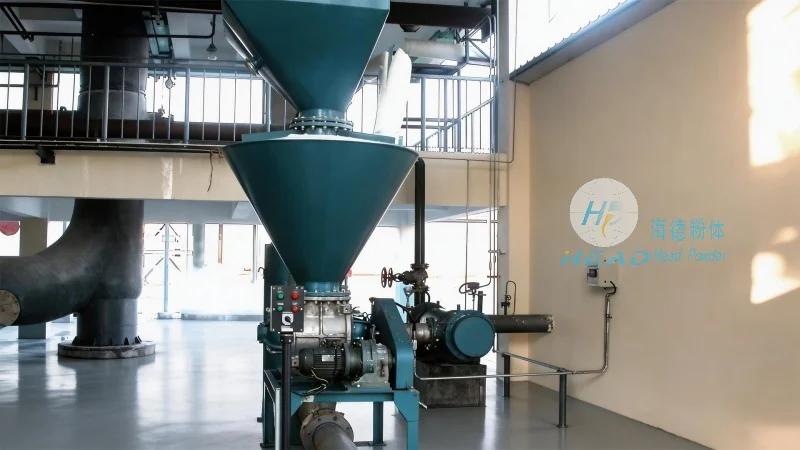
Key Components of the Conveying System
The dry coffee powder conveying equipment typically consists of several critical components that work in synergy to achieve efficient material transport. These include a hopper for material storage, a feeder to control the flow rate, a conveyor mechanism (such as a screw or pneumatic system), and a control panel for monitoring and adjusting operations. Each component plays a vital role in ensuring smooth and reliable operation. The hopper is designed to hold a substantial quantity of coffee powder, providing a consistent feed to the system. The feeder, often a rotary valve or a variable-speed screw, regulates the discharge rate, preventing overloading or underflow. The conveyor mechanism, whether mechanical or pneumatic, is the core of the system, responsible for moving the powder through the pipeline. The control panel integrates sensors and indicators to monitor parameters like pressure, flow rate, and temperature, allowing operators to adjust settings in real-time.
Operation Process: Step-by-Step Overview
The operation of the dry coffee powder conveying equipment follows a systematic process, starting with material loading into the hopper. The feeder then regulates the amount of powder released into the conveyor system. Depending on the system design, the conveyor may use mechanical force (e.g., a screw conveyor) or pneumatic pressure to move the powder through the pipeline. The control panel allows operators to adjust parameters like flow rate, pressure, and speed to optimize performance. The entire process is designed to minimize product exposure to air and moisture, preserving the freshness and quality of the coffee powder. For example, in a mechanical screw conveyor, the rotating screw pushes the powder forward, creating a positive displacement that ensures continuous movement. This method is particularly effective for handling bulk materials with low to medium moisture content, as it reduces the risk of caking or bridging. In a pneumatic system, compressed air is introduced into the pipeline, creating a pressure differential that propels the powder. This approach is ideal for fine powders that are prone to segregation or agglomeration, as the air flow helps maintain uniform particle distribution.
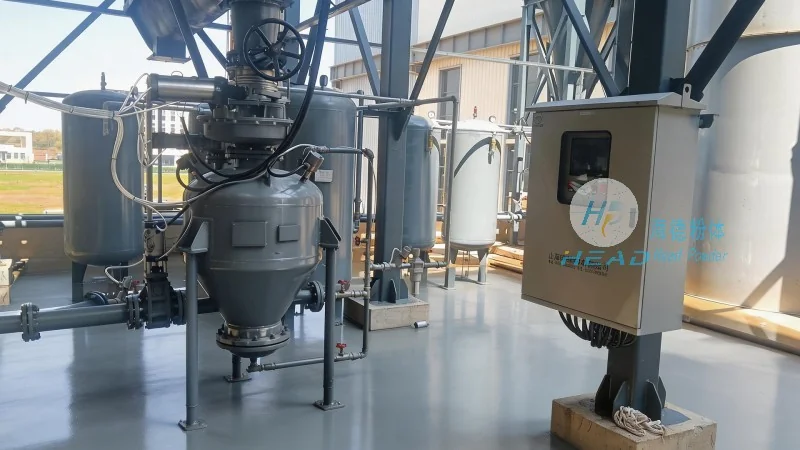
Working Principle: How the System Transfers Material
The working principle of the dry coffee powder conveying equipment is based on either mechanical or pneumatic mechanisms. In a mechanical system, a rotating screw or auger pushes the powder forward through the conveying tube, creating a positive displacement that ensures continuous movement. This method is ideal for handling bulk materials with minimal segregation. The screw conveyor consists of a helical screw inside a cylindrical tube, where the rotation of the screw imparts motion to the powder. The pitch and diameter of the screw are carefully designed to match the specific characteristics of the coffee powder, such as particle size and flowability. In a pneumatic system, compressed air is used to create a pressure differential that propels the powder through the pipeline. This approach is particularly effective for fine powders that are prone to caking or bridging. The system typically includes a blower or compressor that generates the necessary air pressure, and a series of filters and separators to remove moisture and debris from the air stream. The working principle also involves the use of check valves and flow control devices to regulate the air flow and prevent backflow.
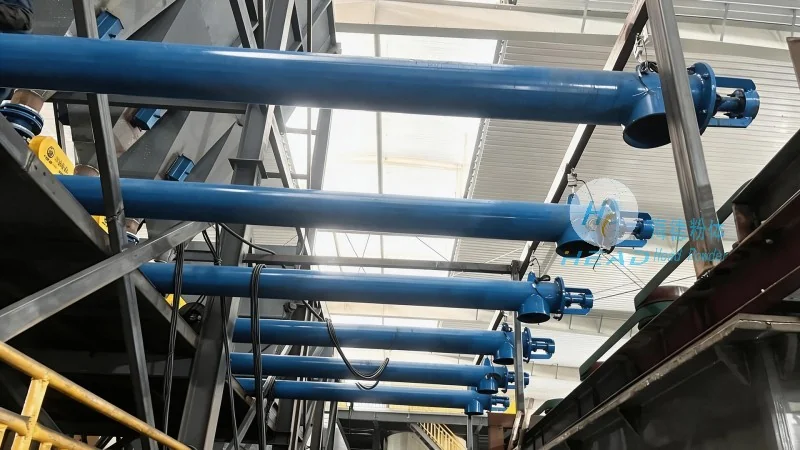
Benefits and Applications in Coffee Processing
The efficient operation of dry coffee powder conveying equipment offers several advantages for coffee processing facilities. It reduces labor costs by automating material handling, minimizes product loss and contamination, and enhances overall production throughput. The equipment is widely used in coffee roasting, grinding, and packaging operations, where consistent and reliable powder transport is essential. By maintaining low moisture content and preventing oxidation, the system helps preserve the aromatic properties of the coffee, resulting in higher quality end products. For instance, in a coffee roasting plant, the conveying system efficiently transports roasted coffee beans from the roaster to the grinding unit, ensuring that the beans are processed without exposure to air or moisture that could affect their flavor. In the packaging stage, the system delivers ground coffee powder to the filling machines, maintaining the product's freshness and preventing clogging or blockages in the packaging line. The reliability of the conveying equipment also contributes to improved operational efficiency, as it reduces downtime caused by material handling issues.
Maintenance and Operational Tips
To ensure optimal performance and longevity of the dry coffee powder conveying equipment, regular maintenance is crucial. Operators should follow the manufacturer's guidelines for cleaning, lubrication, and component inspection. Monitoring the system's pressure and flow rates can help detect potential issues early, preventing downtime. Additionally, using appropriate filters and seals can minimize dust emissions and protect the equipment from environmental factors. By adhering to these best practices, coffee processing facilities can maximize the efficiency and reliability of their conveying systems. Regular cleaning of the hopper and conveyor components is essential to prevent the accumulation of coffee powder residue, which can lead to clogging or reduced efficiency. Lubrication of moving parts, such as bearings and gears, should be performed according to the manufacturer's specifications to ensure smooth operation and prevent wear. Inspecting the feeder and control panel for any signs of wear or malfunction is also important, as these components directly impact the system's performance. Furthermore, checking the air filters and pressure regulators in a pneumatic system can help maintain consistent air flow and prevent pressure fluctuations that may affect the conveying rate. By implementing a proactive maintenance schedule, facilities can extend the lifespan of their equipment and minimize operational costs.