

Operation Process and Working Principle of Plastic Pellet Material Conveying Line
Plastic pellet material conveying lines are essential components in various industrial settings, particularly in manufacturing and processing plants where the efficient movement of plastic pellets is crucial for production efficiency. These systems are designed to transport plastic pellets from storage bins or hoppers to processing equipment such as extruders, mixers, or molding machines. The smooth operation of these lines directly impacts the overall productivity and quality of the manufacturing process. In this article, we will explore the operation process and working principle of plastic pellet material conveying lines, while also highlighting the expertise of Shandong HeadPowder Engineering Co., Ltd. as a leading provider in this field.
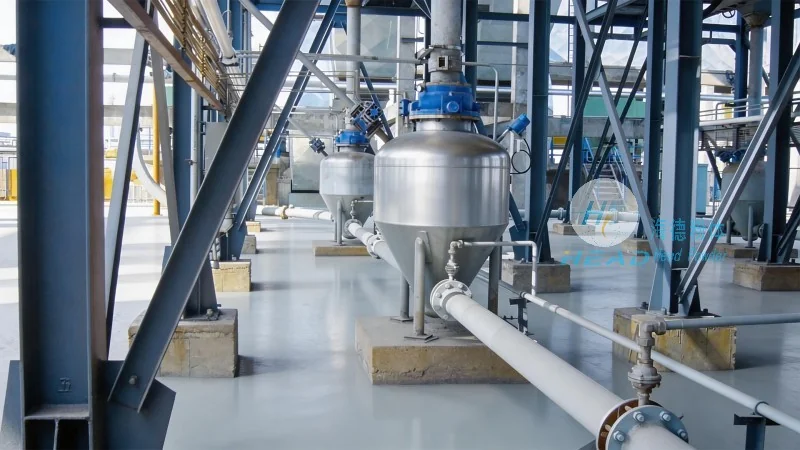
Company Background and Expertise
Shandong HeadPowder Engineering Co., Ltd., commonly known as HeadPowder, is a reputable company based in Shandong, China. With years of experience in the engineering and manufacturing of material handling systems, HeadPowder specializes in designing and supplying high-quality plastic pellet conveying lines tailored to meet the specific needs of clients in the plastics industry. The company's commitment to innovation and precision engineering ensures that their products deliver reliable performance and durability, making them a trusted choice for businesses seeking efficient material handling solutions.
The Operation Process of Plastic Pellet Material Conveying Lines
The operation process of a plastic pellet material conveying line typically involves several key steps to ensure the seamless transport of plastic pellets. The first step is the loading of plastic pellets into the hopper or storage bin. This is usually done manually or through automated feeding systems, depending on the scale of the operation. Once the pellets are loaded, the conveying system is activated, initiating the transport process. The conveying line may consist of various components, including hoppers, feeders, conveyors (such as screw conveyors, belt conveyors, or pneumatic conveyors), and control systems. Each component plays a vital role in the efficient movement of the pellets. For instance, a screw conveyor uses rotating screws to push the pellets forward, while a belt conveyor utilizes a moving belt to transport the material. The control system monitors the flow rate and ensures that the pellets are conveyed at the optimal speed to prevent clogging or damage to the pellets. After the pellets are conveyed to the processing equipment, they are discharged and prepared for the next stage of production. The entire operation process is designed to be efficient, reliable, and safe, minimizing downtime and maximizing productivity.
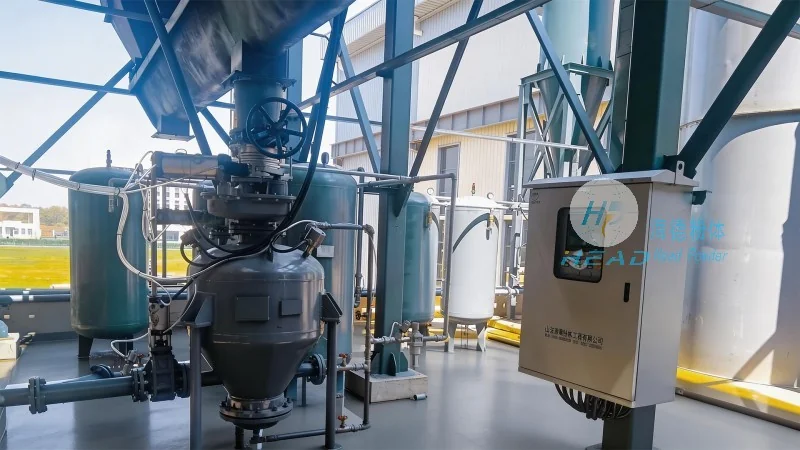
Working Principle of Plastic Pellet Material Conveying Lines
The working principle of plastic pellet material conveying lines is based on the principles of material handling and mechanical engineering. The primary goal is to move plastic pellets from one location to another with minimal loss of material and maximum efficiency. The conveying system typically operates by using mechanical force to move the pellets through a pipeline or conveyor system. In the case of screw conveyors, the rotating screw pushes the pellets forward due to friction between the screw and the pellets. The speed of the screw determines the flow rate of the material. Belt conveyors, on the other hand, use a moving belt that carries the pellets along its surface. The tension and speed of the belt are carefully controlled to maintain a consistent flow. Pneumatic conveyors utilize air pressure to transport the pellets through a pipe network, which is particularly useful for transporting fine or lightweight pellets. The control system in the conveying line monitors various parameters such as flow rate, pressure, and temperature to ensure that the system operates within optimal conditions. This ensures that the pellets are conveyed without damage and that the system runs smoothly. The working principle also involves the use of sensors and feedback mechanisms to adjust the operation of the conveying system in real-time, enhancing its performance and reliability.
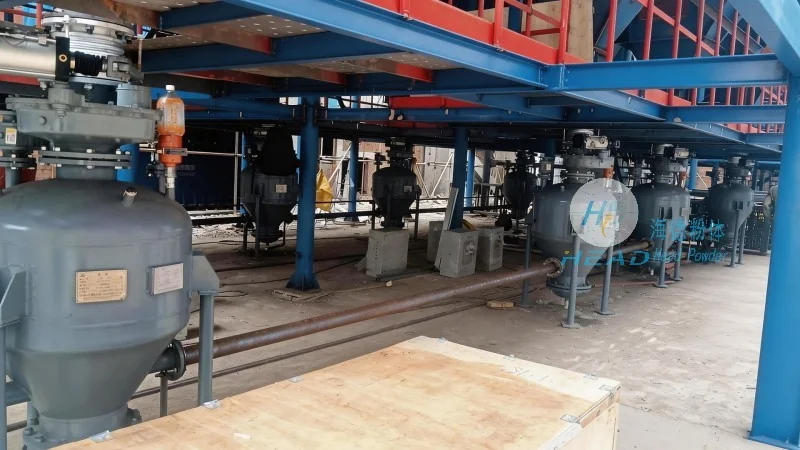
Key Components and Their Functions
A plastic pellet material conveying line consists of several key components, each with a specific function. The hopper or storage bin is the initial component where the plastic pellets are stored. It is designed to hold a large quantity of pellets and provide a uniform feed to the conveying system. The feeder is the component that regulates the flow of pellets from the hopper to the conveyor. It ensures that the pellets are fed at a consistent rate, preventing overloading or underfeeding of the conveyor. The conveyor itself is the main component responsible for moving the pellets. It can be a screw conveyor, belt conveyor, or pneumatic conveyor, depending on the application. The control system manages the operation of the entire conveying line, including the speed of the conveyor, the flow rate of the material, and the monitoring of various parameters. The discharge system is the final component that releases the pellets from the conveyor to the processing equipment. It is designed to ensure that the pellets are discharged smoothly and without spillage. Each component works in harmony to ensure the efficient and reliable operation of the conveying line.
Benefits of Using Plastic Pellet Material Conveying Lines
Implementing plastic pellet material conveying lines offers numerous benefits to industrial operations. Firstly, these systems enhance productivity by ensuring a continuous and efficient flow of plastic pellets to the processing equipment. This reduces downtime and increases the overall output of the manufacturing process. Secondly, the conveying lines improve material handling efficiency by minimizing manual labor and reducing the risk of material loss or damage. The automated systems ensure that the pellets are transported in a controlled manner, preventing clogging or breakage. Thirdly, the use of conveying lines improves safety in the workplace by reducing the need for manual handling of heavy or bulky materials. This reduces the risk of accidents and injuries. Additionally, the systems are designed to be energy-efficient, reducing operational costs and environmental impact. The consistent flow of material also improves the quality of the final product by ensuring that the pellets are processed uniformly. Overall, plastic pellet material conveying lines are a critical investment for any plastics manufacturing facility, providing a reliable and efficient solution for material handling.