

Principles and Working Scene Characteristics of PVB Material Conveying
Understanding the principles and characteristics of PVB material conveying is crucial for optimizing industrial processes. PVB, or polyvinyl butyral, is widely used in various applications due to its unique properties, and efficient material handling is essential to leverage these benefits. This article explores the fundamental principles behind PVB material conveying and highlights the key working scene characteristics that define its effective application.
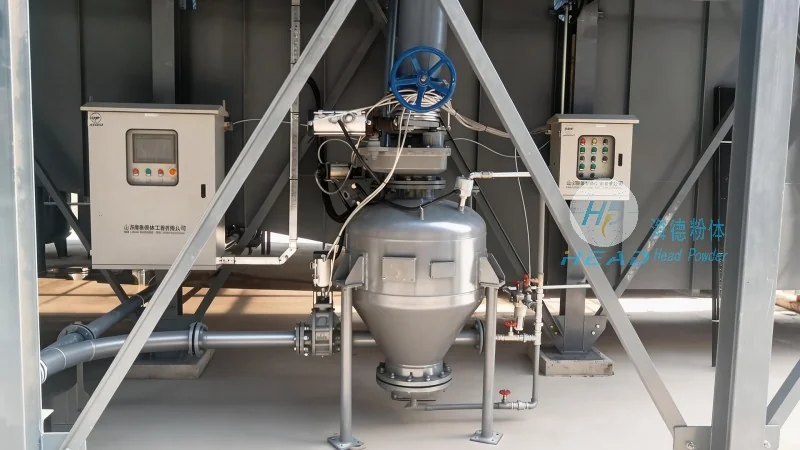
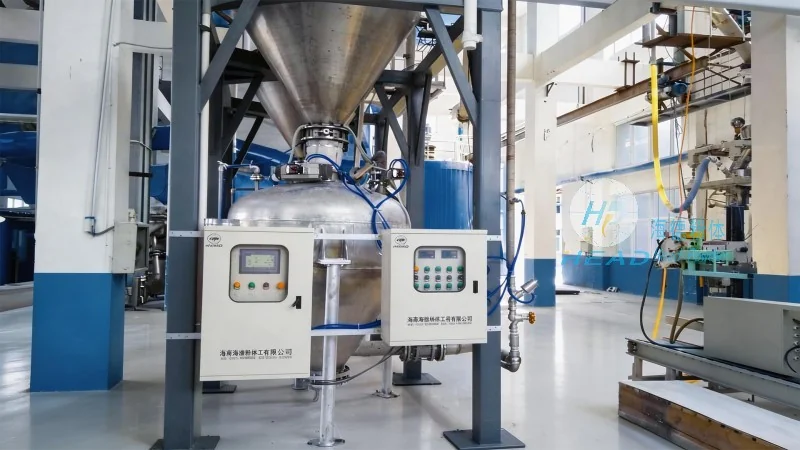
PVB Material Conveying: Core Principles
PVB material conveying involves the movement of polyvinyl butyral particles or sheets from one location to another within an industrial setting. The process relies on several key principles to ensure efficient and reliable transport. First, the physical properties of PVB, such as its density, viscosity, and flow characteristics, play a significant role in determining the most suitable conveying method. For instance, PVB is often a granular or pelletized material, which requires equipment capable of handling bulk materials. Conveying systems may include screw conveyors, belt conveyors, or pneumatic systems, each tailored to the specific characteristics of PVB. The choice of equipment is influenced by factors like the material's abrasiveness, moisture content, and the required conveying capacity. Additionally, the design of the conveying system must consider the need for minimal material degradation, as PVB is sensitive to mechanical stress and temperature variations. Proper sealing and temperature control are critical to maintain the integrity of the PVB during transport. The principles of PVB material conveying also involve the integration of sensors and control systems to monitor flow rates, pressure, and material levels, ensuring real-time adjustments for optimal performance.
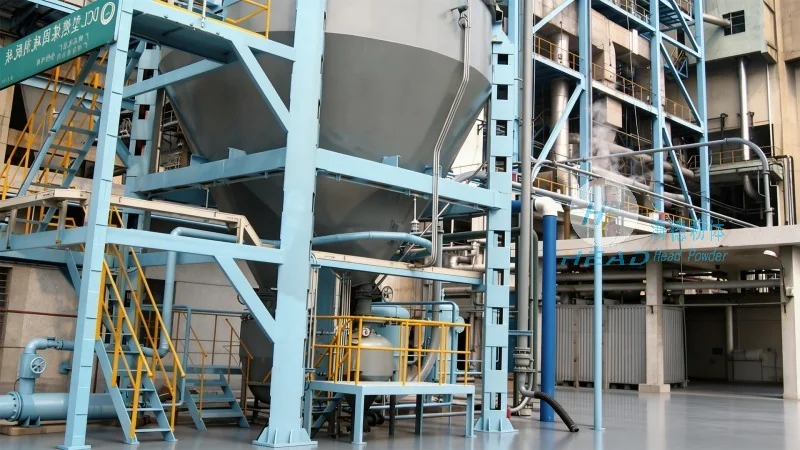
Working Scene Characteristics of PVB Material Conveying
The working scene characteristics of PVB material conveying vary significantly across different industrial applications, reflecting the diverse needs of industries that utilize PVB. In the automotive industry, for example, PVB is commonly used as a interlayer in safety glass, and the conveying process must be precise to ensure consistent quality in the final product. The working environment in automotive manufacturing often involves high-volume production lines, requiring robust and high-capacity conveying systems. The characteristics of the working scene here include strict quality control measures, automated material handling, and integration with other manufacturing processes. In contrast, the construction industry uses PVB in applications like adhesives and coatings, where the conveying process may involve smaller batches and more flexibility in handling. The working scene in construction often involves on-site or batch processing, with equipment designed for portability and ease of use. Another key working scene is in the pharmaceutical and food industries, where PVB is used in packaging and protective films. Here, the conveying process must adhere to stringent hygiene standards, with equipment that is easy to clean and maintain. The working scene characteristics in these industries emphasize safety, contamination control, and compliance with regulatory requirements. Furthermore, the working scene in chemical processing facilities involves the handling of PVB in bulk, often in conjunction with other chemicals. The characteristics here include the need for corrosion-resistant equipment, as PVB may be exposed to acidic or alkaline environments. The integration of safety features, such as emergency stop mechanisms and material containment systems, is also critical in these working scenes. Overall, the working scene characteristics of PVB material conveying are shaped by the specific demands of each industry, including production scale, material handling requirements, and regulatory compliance.
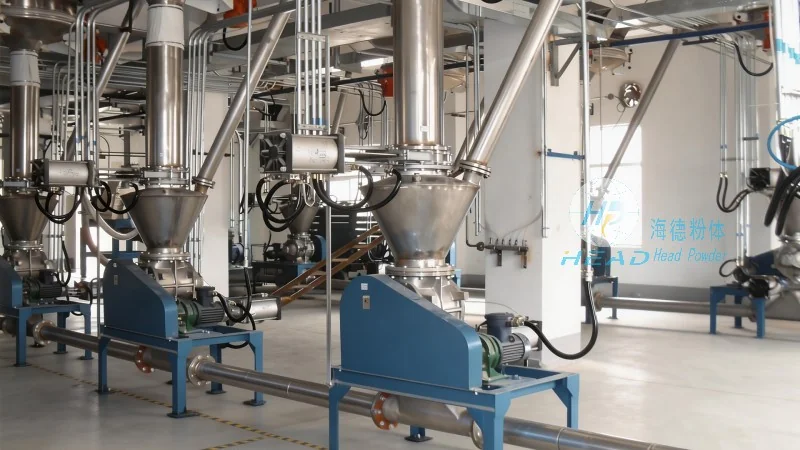
Company Profile: Shandong HeadPowder Engineering Co., Ltd.
Shandong HeadPowder Engineering Co., Ltd., commonly known as HeadPowder, is a leading provider of specialized engineering solutions for material handling and processing. With a strong focus on innovation and customer-centric approaches, HeadPowder has established itself as a trusted partner in the industrial sector. The company's expertise lies in designing and manufacturing customized conveying systems tailored to the unique needs of clients, including those working with PVB materials. HeadPowder's team of engineers and technicians brings extensive experience in understanding the properties of various materials and developing efficient conveying solutions. The company operates from its headquarters in Shandong, China, where it leverages advanced technology and rigorous quality control processes to deliver high-performance equipment. HeadPowder's commitment to excellence is reflected in its adherence to international standards and continuous improvement initiatives. By combining technical expertise with practical application knowledge, HeadPowder ensures that its clients receive reliable and efficient solutions for their PVB material handling processes. The company's dedication to customer satisfaction and operational efficiency has earned it a reputation for excellence in the industry, making it a preferred choice for businesses seeking to optimize their PVB material handling processes.