

Principles and Working Scene Characteristics of Powdered Electrolyte Material Handling
Shandong HeadPowder Engineering Co., Ltd. specializes in the design and implementation of advanced material handling solutions for powdered electrolytes. The efficient transport of these materials is critical in various industrial applications, from battery manufacturing to chemical processing. This article explores the fundamental principles behind the handling of such materials and highlights the key characteristics of different working scenes where these systems are deployed.
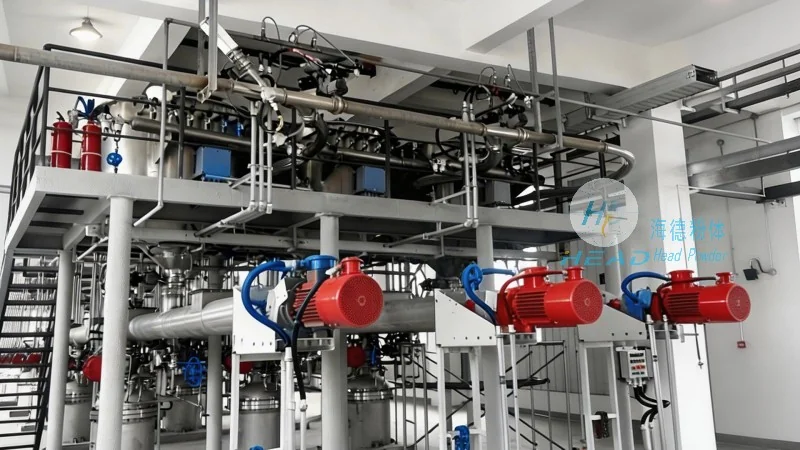
Core Principles of Material Transport
The primary principle of transporting powdered electrolytes involves ensuring consistent flow and minimizing material degradation. HeadPowder's systems utilize a combination of pneumatic and mechanical methods to achieve this. Pneumatic conveying, for instance, employs compressed air to move powders through pipelines, while mechanical systems like screw conveyors and belt conveyors provide reliable, low-pressure transport. The choice of method depends on factors such as material properties, particle size, and the required transport distance. In pneumatic systems, the velocity of the air stream is carefully controlled to prevent particle segregation and ensure uniform distribution. Mechanical systems, on the other hand, rely on the rotation of screws or the movement of belts to move materials, offering advantages in handling sticky or abrasive powders where air flow might be insufficient.
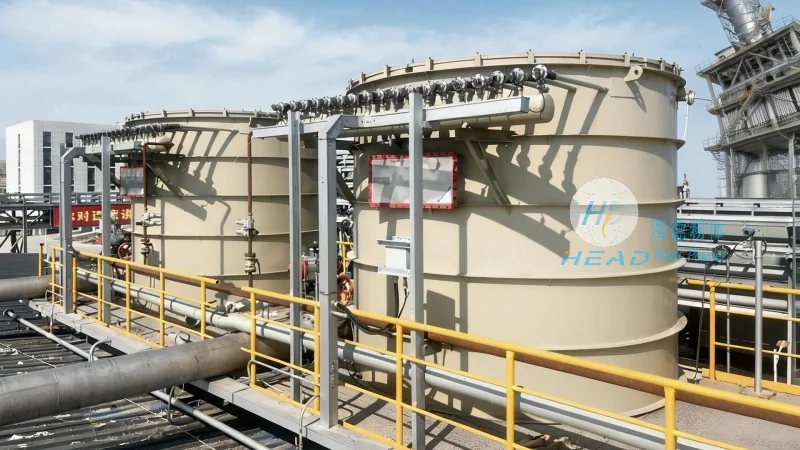
Key Working Scene Characteristics
Working scene characteristics play a pivotal role in determining the most suitable material handling approach. For instance, in high-volume production environments, continuous and automated systems are preferred to maintain operational efficiency. The characteristics of the working scene, including space constraints, ambient conditions, and safety requirements, influence the design of the handling equipment. In environments with strict contamination control, dust-free conveying systems are essential. These systems often incorporate sealed pipelines and filtration to prevent particle release into the air, ensuring compliance with industrial hygiene standards. Additionally, the need for precise dosing and metering in processes like battery electrode production requires specialized equipment that can deliver consistent material flow rates. HeadPowder's solutions are tailored to meet these specific requirements, integrating sensors and control systems to monitor and adjust the transport process in real-time.
Application Scenarios and Operational Efficiency
Application scenarios vary widely, from large-scale battery manufacturing plants to small-scale research and development facilities. In battery production, the efficient handling of electrolyte powders is crucial for maintaining production throughput and product quality. The systems must be capable of handling high volumes while ensuring minimal material loss and contamination. In research settings, the focus may be on precise, low-volume transport for experimental purposes. Operational efficiency is a key consideration across all scenarios, as downtime due to material blockages or system failures can significantly impact production costs. HeadPowder's expertise lies in optimizing these systems to minimize downtime and maximize productivity. By integrating advanced control technologies and robust materials, their solutions provide reliable performance even under demanding conditions.
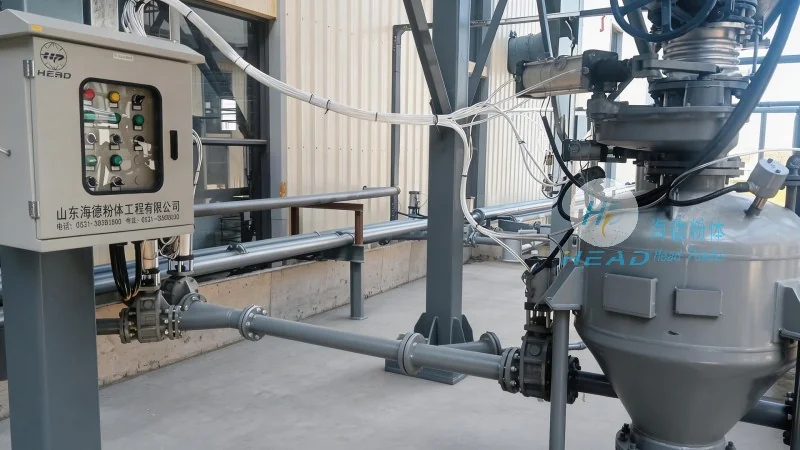
Technical Advancements and Industry Standards
Technological advancements have significantly improved the capabilities of powdered electrolyte handling systems. Modern systems often incorporate automation and digital control, allowing for remote monitoring and adjustment. Sensors are used to detect material levels, flow rates, and potential blockages, enabling proactive maintenance and reducing the risk of system failures. The use of high-strength, corrosion-resistant materials in pipeline construction enhances the durability of the systems, especially when handling chemically aggressive electrolytes. Compliance with industry standards, such as those set by the International Electrotechnical Commission (IEC) and local regulations, is also a critical aspect of system design. HeadPowder adheres to these standards to ensure the safety and reliability of their equipment. Their commitment to continuous improvement ensures that their systems remain at the forefront of material handling technology, providing clients with solutions that meet current and future industry demands.