

Principle and Working Scene Characteristics of Vacuum Suction Material Handling Systems
Shandong HeadPowder Engineering Co., Ltd., commonly known as headpowder, is a professional enterprise dedicated to providing advanced material handling solutions. Headquartered in Shandong, China, the company specializes in the design, manufacturing, and integration of vacuum suction material handling systems, which are widely used across various industries to efficiently transport bulk materials.
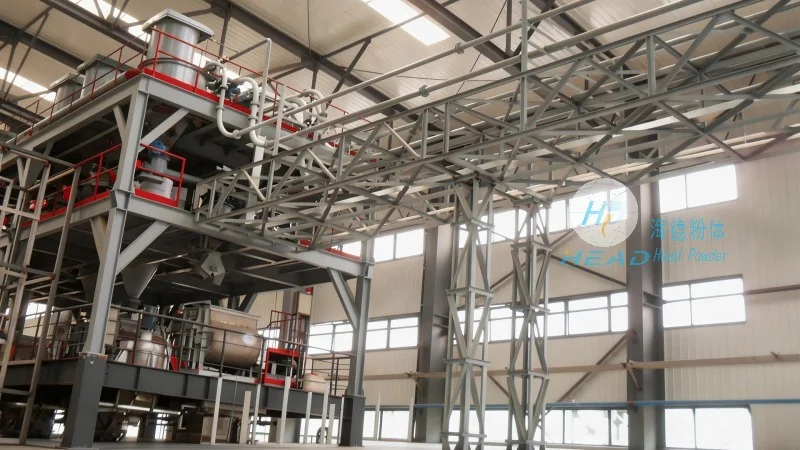
Principle of Vacuum Suction Material Handling Systems
The core principle of a vacuum suction material handling system is based on the creation of a negative pressure environment. By utilizing a vacuum pump or other vacuum generation devices, the system reduces the pressure inside a transport pipe or container, creating a pressure differential between the material source and the system. This pressure difference enables the system to draw materials, such as powders, granules, or small particles, from the source into the transport pipeline. The materials are then conveyed through the pipeline to the destination point under the influence of the vacuum force. This method offers a non-contact, gentle handling approach that minimizes material degradation and contamination, making it suitable for sensitive products like pharmaceuticals, food, and chemicals.
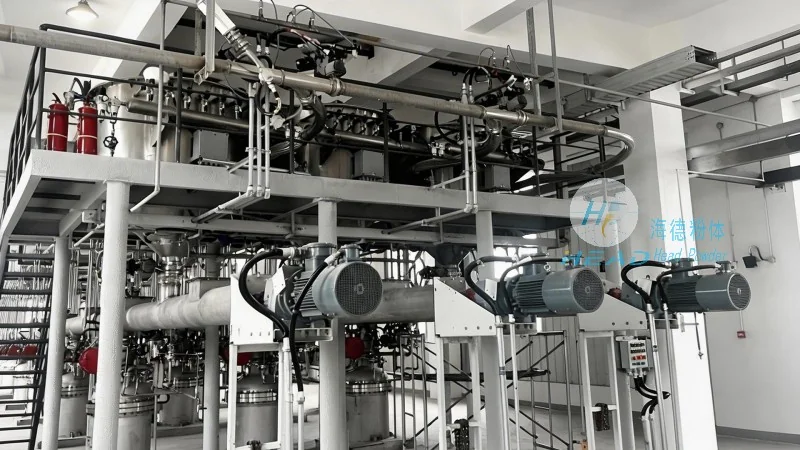
Working Scene Characteristics of Vacuum Suction Material Handling Systems
Vacuum suction material handling systems are particularly well-suited for applications in industries where material purity, cleanliness, and gentle handling are critical. In pharmaceutical manufacturing, for example, these systems are used to transport active pharmaceutical ingredients (APIs) and excipients from raw material storage to processing lines, ensuring that the materials remain free from contamination and maintain their quality. In the food industry, they are employed to handle powders like flour, sugar, or spices, maintaining hygiene standards and preventing cross-contamination. The systems are also commonly used in chemical processing plants to transport powders and granules, where precise control over material flow and minimal product degradation are essential. Additionally, the flexibility of vacuum suction systems allows for easy integration into existing production lines, enabling manufacturers to adapt to changing production requirements without significant modifications.
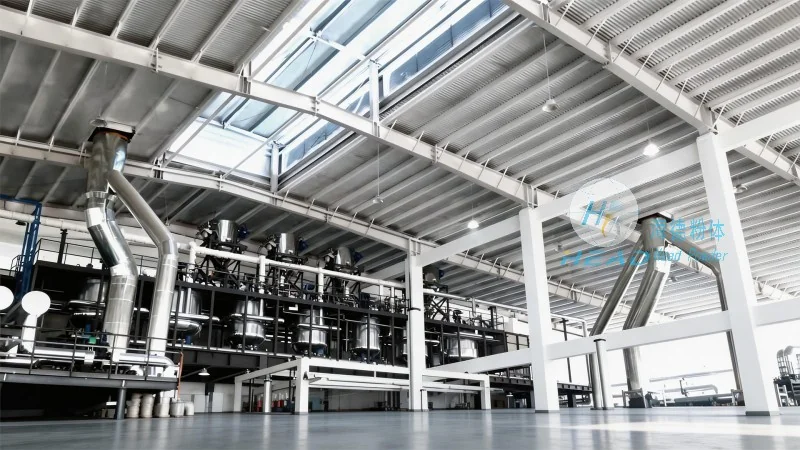
Key Features and Advantages in Practical Applications
When deployed in real-world scenarios, vacuum suction material handling systems exhibit several distinct advantages that make them a preferred choice for many industries. One of the primary benefits is their ability to handle a wide range of materials, from fine powders to larger granules, with consistent performance. The systems are also highly efficient in terms of energy consumption, as the vacuum pump operates at lower power levels compared to traditional mechanical conveying methods. Furthermore, the non-contact nature of the suction process reduces wear and tear on the materials, extending their shelf life and reducing waste. Another notable characteristic is the system's compact design, which allows for installation in confined spaces without compromising performance. This makes it ideal for retrofitting into existing facilities or for use in new construction projects where space is limited. The safety features of vacuum suction systems, including pressure relief valves and emergency shut-off mechanisms, provide an additional layer of protection for operators and the surrounding environment. Overall, the combination of efficiency, flexibility, and safety makes vacuum suction material handling systems a reliable and cost-effective solution for material transport in various industrial settings.