HeadPowder, a leading manufacturer based in Shandong, China, specializes in the design and production of advanced powder conveying systems tailored for cement tankers. The equipment plays a crucial role in the efficient and safe transportation of bulk cement, ensuring smooth operations in construction and industrial applications. This article delves into the operational process and underlying principles of such systems, highlighting their importance in modern material handling.
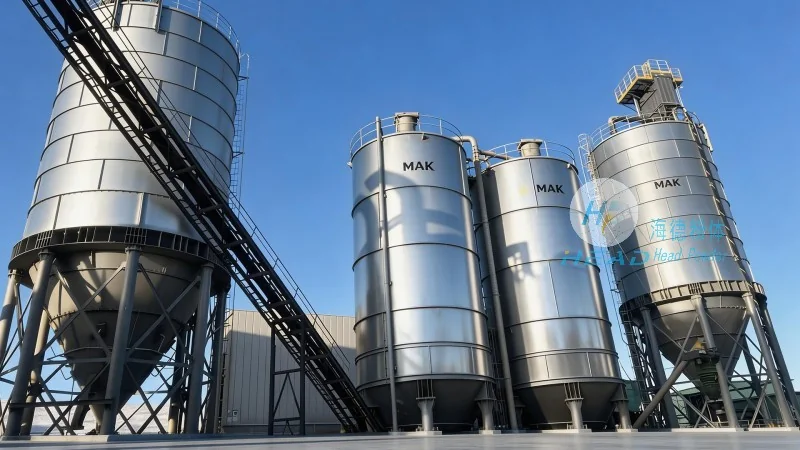
Key Components of the Powder Conveying System
The cement tanker powder conveying equipment typically consists of several integral components that work in synergy to achieve effective material transport. The primary elements include the tanker itself, a hopper or loading mechanism, a screw conveyor or pneumatic system for internal transport, and a discharge valve or outlet. Each component is engineered to handle the specific characteristics of cement, such as its fine particle size and potential for caking, ensuring optimal performance. The hopper is designed with a sloped interior to facilitate the flow of cement into the conveying mechanism, while the screw or pneumatic system ensures the material is moved from the tanker to the discharge point without blockages or degradation.
Operation Process: Step-by-Step Overview
The operation of the cement tanker powder conveying equipment follows a systematic sequence that ensures reliable and efficient cement delivery. The process begins with the loading of cement into the tanker at the production facility or storage site. Once loaded, the tanker is transported to the construction site or industrial location. Upon arrival, the equipment is activated, and the following steps are executed:
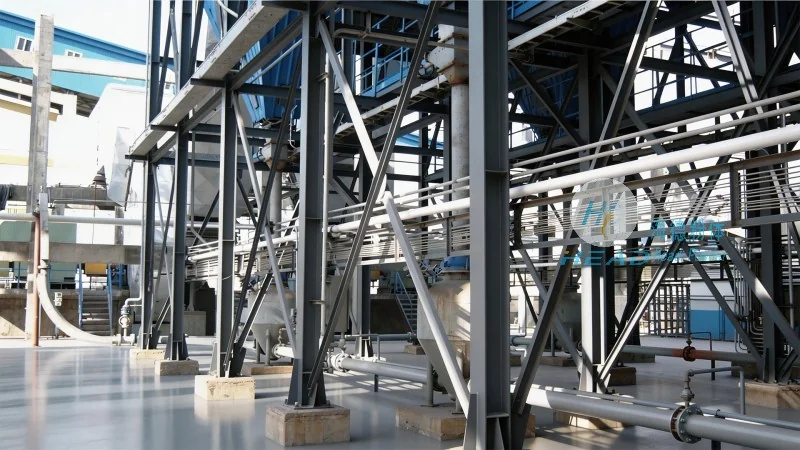
- Initial Preparation: The discharge valve is opened, and the hopper is positioned to receive the cement from the tanker. The system is then primed to ensure all components are clear of any residual material.
- Conveying Initiation: The screw conveyor or pneumatic pump is activated, starting the movement of cement from the tanker's interior to the discharge outlet. The speed and pressure are carefully controlled to maintain a consistent flow rate, preventing overloading or clogging.
- Discharge and Transfer: As the cement is conveyed, it is discharged into a storage silo, hopper, or directly into a mixing truck or batching plant. The system continues to operate until the tanker is emptied, with real-time monitoring to detect any anomalies or blockages.
- System Shutdown and Cleaning: After the tanker is emptied, the conveying system is shut down, and the components are cleaned to remove any residual cement. This step is essential to prevent material buildup and maintain the equipment's longevity and efficiency.
Working Principle: Mechanical and Pneumatic Dynamics
The working principle of the cement tanker powder conveying equipment relies on a combination of mechanical and pneumatic forces to move the bulk material. The mechanical approach, often using a screw conveyor, utilizes rotational motion to push the cement through the system. The screw's helical design creates a continuous flow, ensuring the material is propelled forward without the need for external air pressure. This method is particularly effective for handling cohesive materials like cement, as the screw's surface provides the necessary friction to prevent caking and blockages.
In contrast, the pneumatic system employs compressed air to create a flow of air and cement particles. The cement is drawn into the system through a hopper, and the air pressure propels the material through the pipeline to the discharge point. This method is advantageous for longer distances or when dealing with more challenging materials, as it can handle higher volumes and reduce the risk of mechanical wear. However, it requires careful management of air pressure and flow rates to maintain efficiency and prevent material degradation.
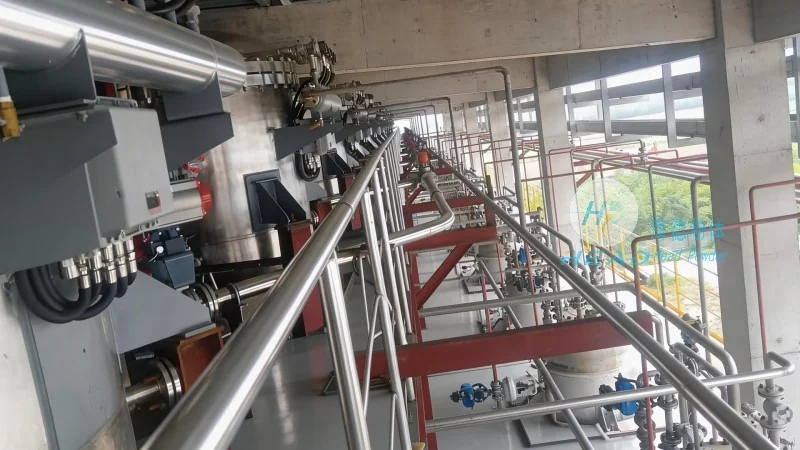
Advantages and Applications in Cement Handling
The cement tanker powder conveying equipment offers several key advantages that make it indispensable in modern cement handling operations. These include high efficiency in material transport, reduced labor costs due to automated processes, and enhanced safety by minimizing manual handling of bulk cement. The equipment is widely used in various applications, such as construction sites for delivering cement to mixing plants, industrial facilities for processing bulk materials, and logistics operations for transporting cement between production and distribution centers.
For construction projects, the equipment ensures a steady supply of cement, which is critical for maintaining project timelines and quality. In industrial settings, it facilitates the integration of cement into manufacturing processes, such as concrete production or chemical formulations. The adaptability of the system allows it to be customized for different tanker sizes and material types, making it a versatile solution for diverse industrial needs.




