

Operation Process and Working Principle of Lithium Hexafluorophosphate Powder Conveying System Equip
HeadPowder, a leading manufacturer in the field of powder handling and conveying systems, specializes in providing advanced solutions for the transportation of lithium hexafluorophosphate (LiPF₆) powder. This article delves into the operational workflow and underlying principles of their specialized conveying equipment, designed to ensure efficient, safe, and reliable handling of this critical lithium-ion battery material.
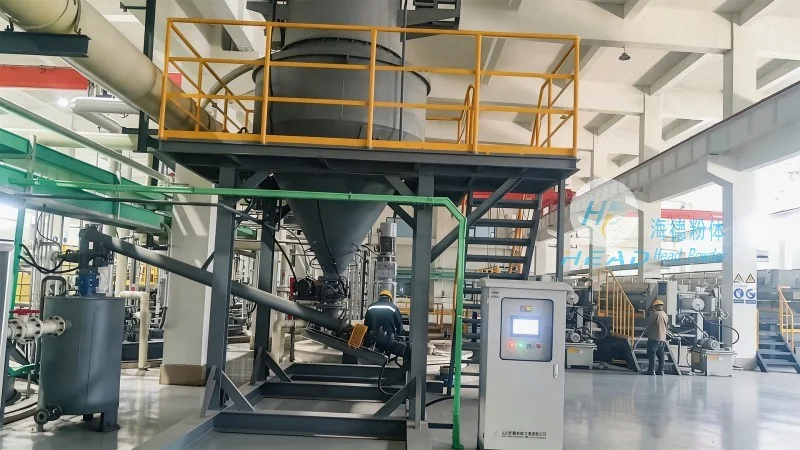
Overview of the Conveying System
The lithium hexafluorophosphate powder conveying system is engineered to meet the stringent requirements of modern battery production facilities. As a key component in lithium-ion battery cathode formulations, LiPF₆ requires precise handling to maintain its purity and prevent contamination. HeadPowder's system integrates multiple technologies to address these challenges, including dust control, material flow optimization, and automated control mechanisms.
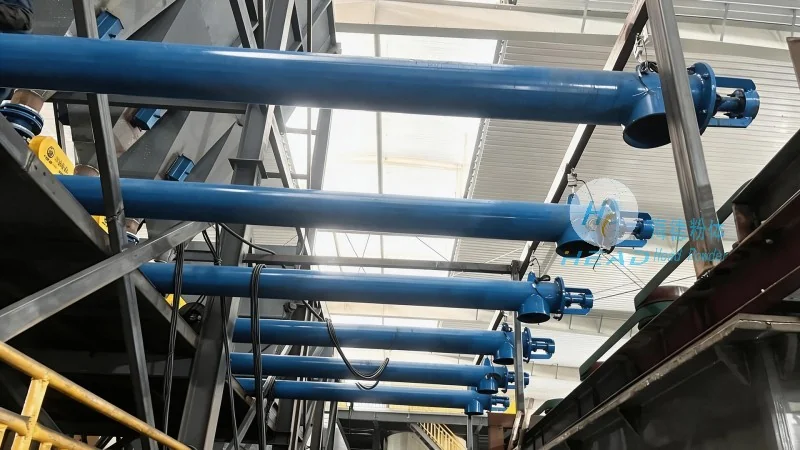
Working Principle of the System
The core of the conveying system operates on principles of pneumatic or mechanical transport, depending on the specific design. For LiPF₆, a common approach involves a closed-loop pneumatic system that uses compressed air to move the powder through a network of pipes and valves. The system typically includes a hopper for material storage, a feeder to regulate the flow rate, and a series of ducts connected to the processing equipment. A key feature is the use of anti-static and corrosion-resistant materials to prevent material buildup and ensure long-term durability.
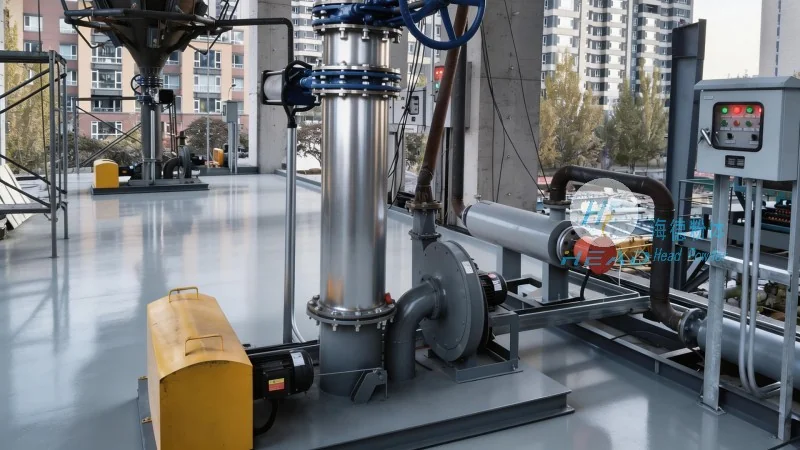
Step-by-Step Operation Process
The operation of the conveying system follows a systematic sequence to ensure smooth material transfer from the storage hopper to the battery production line. The process begins with the loading of LiPF₆ powder into the hopper, which is equipped with a level sensor to monitor the material volume. Once the hopper is filled, the feeder activates, controlling the flow rate based on real-time production demands. The powder is then transported through the duct network using compressed air, which is regulated to maintain consistent velocity and prevent particle degradation. At the receiving end, the material is deposited into a storage bin or directly into the mixing equipment for cathode production. The system also includes safety features such as pressure relief valves and overfill protection to prevent accidents and ensure compliance with industrial safety standards.
Technical Advantages and Performance
HeadPowder's conveying system offers several advantages that enhance operational efficiency and product quality. The closed-loop design minimizes dust emissions, reducing environmental impact and improving workplace safety. The automated control system allows for precise flow regulation, ensuring consistent material delivery to the production line. Additionally, the system's corrosion-resistant materials and anti-static properties help maintain the purity of LiPF₆, which is critical for battery performance. The equipment is also designed for easy maintenance, with accessible components and diagnostic tools that enable quick troubleshooting and minimal downtime.
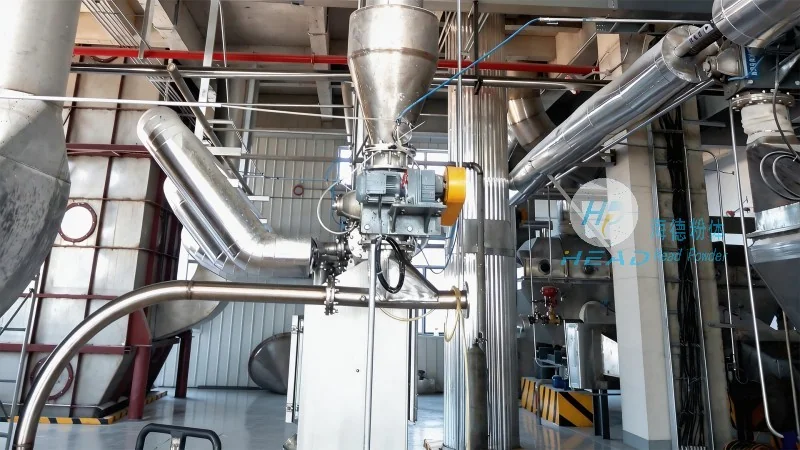
Conclusion
HeadPowder's lithium hexafluorophosphate powder conveying system exemplifies advanced engineering in powder handling technology. By integrating robust design, precise control, and safety features, the system ensures efficient and reliable transportation of LiPF₆, a vital component in lithium-ion battery manufacturing. With its commitment to quality and innovation, HeadPowder continues to provide solutions that meet the evolving needs of the battery industry, supporting the production of high-performance batteries for various applications.