

Principles and Working Scene Characteristics of Polypropylene Resin Powder Pneumatic Conveying
Understanding the principles and characteristics of polypropylene resin powder pneumatic conveying is crucial for optimizing material handling processes in various industrial applications. This article provides an in-depth look at the fundamental mechanisms behind this technology, along with key working scene characteristics that define its effectiveness and suitability in different operational environments.
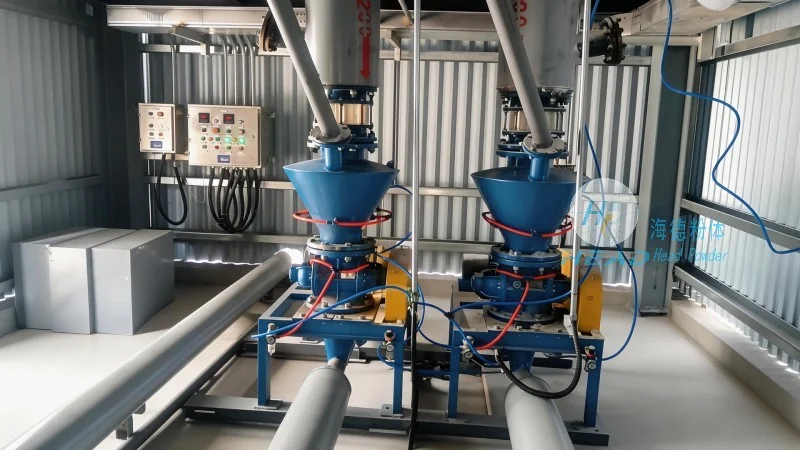
Pneumatic Conveying Principles: How It Works
Pneumatic conveying of polypropylene resin powder relies on the movement of particles through a pipeline using a gas stream, typically air or a combination of air and other gases. The process can be categorized into two main types: dilute-phase and dense-phase conveying. In dilute-phase systems, particles are suspended in the gas stream and travel at high velocities, often requiring high-pressure air to maintain particle suspension. Dense-phase systems, on the other hand, operate at lower velocities, where particles are carried in a slurry-like state, reducing the risk of product degradation and ensuring more controlled material flow.
The core principle involves creating a pressure differential between the inlet and outlet of the conveying line. This differential is achieved by using a blower or compressor to generate the necessary airflow, which then propels the resin powder through the pipeline. The design of the conveying system, including the type of nozzles, bends, and filters, plays a critical role in maintaining efficient particle transport and preventing blockages or product degradation. For polypropylene resin, which is often used in applications such as injection molding, extrusion, and compounding, the ability to handle fine powders without agglomeration is essential. Pneumatic conveying systems are designed to minimize particle attrition and maintain the material's integrity, ensuring consistent performance in downstream processes.
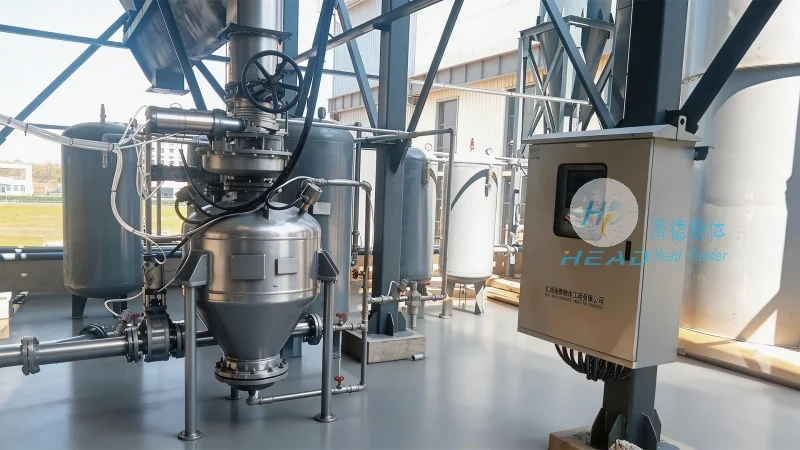
Working Scene Characteristics: Applications and Operational Environments
The working scene characteristics of polypropylene resin powder pneumatic conveying are defined by the specific industrial applications and operational conditions where it is employed. These characteristics include the scale of material handling, the distance over which the material is conveyed, the ambient conditions (such as temperature and humidity), and the need for product purity and consistency. In manufacturing facilities, for example, polypropylene resin is often used in large-scale production lines for plastic products. The pneumatic conveying system must be capable of handling high volumes of resin powder efficiently, with minimal downtime and maintenance. This is particularly important in continuous production environments where interruptions can lead to significant losses.
Another key characteristic is the need for dust control and environmental compliance. Polypropylene resin powders, while generally non-toxic, can create airborne dust that may affect worker health and environmental regulations. Pneumatic conveying systems are equipped with filtration and dust collection mechanisms to ensure that the material is handled in a clean and safe manner. This is especially relevant in facilities that operate under strict environmental standards, such as those in the automotive or medical device industries, where product purity is paramount.
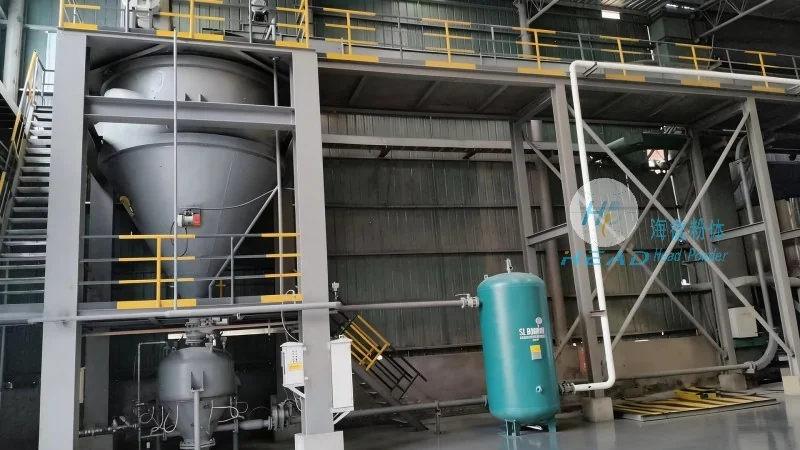
The operational environment also includes the need for flexibility and adaptability. Different production lines may require conveying different types of polypropylene resin, such as virgin resin or recycled resin, each with varying particle sizes and moisture content. The pneumatic conveying system must be able to accommodate these variations without requiring significant modifications. This flexibility is achieved through adjustable air pressure, variable speed controls, and modular components that can be easily reconfigured to suit different material handling needs.
Company Overview: HeadPowder Engineering
HeadPowder Engineering, a leading provider of material handling solutions, specializes in the design and implementation of pneumatic conveying systems for polypropylene resin powder applications. With a strong focus on innovation and customer-centric solutions, the company has established itself as a trusted partner in the plastics industry. HeadPowder Engineering is headquartered in Shandong, China, and serves clients globally with tailored solutions that meet their specific operational requirements.
The company's expertise lies in understanding the unique challenges of polypropylene resin powder handling, including the need for efficient, low-dust, and reliable conveying systems. By leveraging advanced engineering and manufacturing capabilities, HeadPowder Engineering develops systems that optimize material flow, reduce operational costs, and enhance overall production efficiency. Their solutions are designed to integrate seamlessly with existing production lines, minimizing disruption during installation and ensuring a smooth transition to the new conveying system.
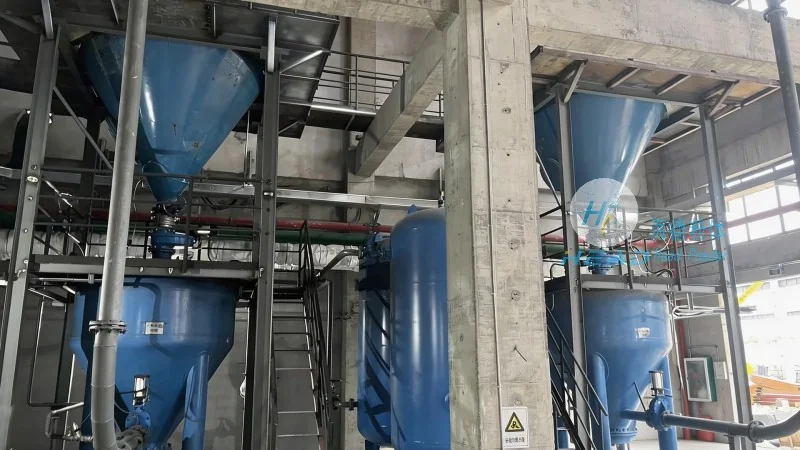
HeadPowder Engineering's commitment to quality and customer satisfaction is reflected in their comprehensive service offerings, which include system design, installation, maintenance, and technical support. The company's team of experienced engineers and technicians work closely with clients to understand their production goals and provide customized solutions that address their specific needs. Whether it's a new plant setup or an upgrade to an existing system, HeadPowder Engineering delivers reliable and efficient pneumatic conveying solutions that help clients achieve their operational objectives.
Conclusion: The Importance of Effective Pneumatic Conveying
In conclusion, the principles and working scene characteristics of polypropylene resin powder pneumatic conveying are critical to the success of material handling in modern industrial applications. By understanding the fundamental mechanisms of this technology and the specific requirements of different operational environments, manufacturers can optimize their processes, improve product quality, and reduce operational costs. HeadPowder Engineering, with its expertise and commitment to innovation, plays a vital role in providing effective pneumatic conveying solutions that meet the evolving needs of the plastics industry.