

Principle and Working Scene Characteristics of Pneumatic Conveying for Ternary Lithium-Ion Battery C
HeadPowder, a leading engineering firm based in Shandong, China, specializes in advanced material handling solutions tailored for the high-tech battery manufacturing sector. This article explores the fundamental principles of pneumatic conveying systems designed specifically for ternary lithium-ion battery cathode materials, alongside an analysis of key working scene characteristics that define their operational efficiency and reliability.
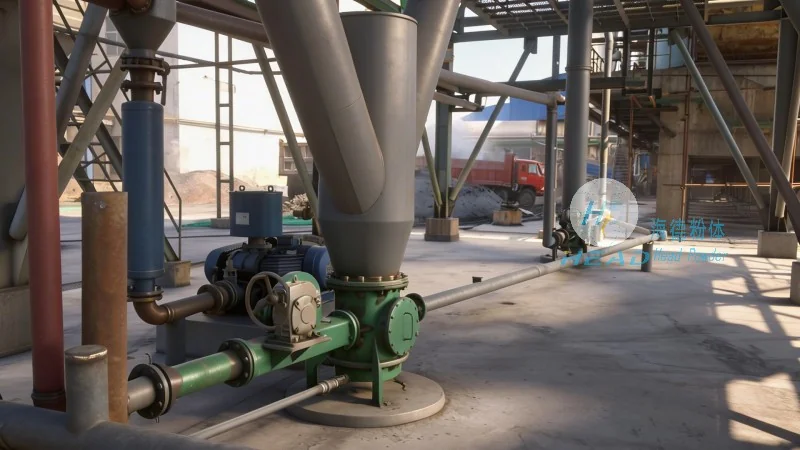
The Core Principle of Pneumatic Conveying
Pneumatic conveying is a method of transporting bulk materials through a pipeline using a gas stream, typically air or other gases. For ternary cathode materials—comprising nickel, cobalt, and manganese—their fine particle size and high reactivity demand specialized conveying systems to ensure minimal degradation and consistent material flow. The process involves generating a pressure differential within the pipeline, either by creating a vacuum (negative pressure) or by blowing air (positive pressure) to move the material. This approach eliminates the need for mechanical components like buckets or belts, reducing friction and contamination risks. HeadPowder’s engineering expertise focuses on optimizing these pressure systems to maintain material integrity while achieving high throughput rates, which is critical for large-scale battery production lines.
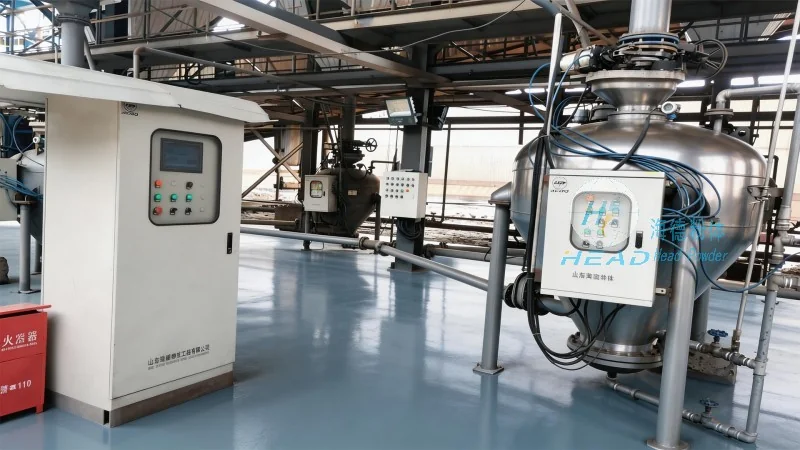
Key Working Scene Characteristics
The operational environment of pneumatic conveying systems for ternary cathode materials is characterized by several distinct features that impact system design and performance. First, the material’s hygroscopic nature requires moisture control to prevent clumping or chemical reactions during transport. HeadPowder’s solutions often integrate drying and conditioning units to maintain optimal moisture levels, ensuring stable flow rates. Second, the need for precise dosing and mixing in battery manufacturing demands high-precision conveying control. The systems are equipped with advanced sensors and control algorithms to regulate material flow, aligning with production line requirements for uniform cathode composition. Third, space constraints in modern battery factories necessitate compact, flexible conveying solutions. HeadPowder designs modular systems that can be integrated into existing production layouts, minimizing footprint while maximizing efficiency. Additionally, safety considerations are paramount due to the material’s potential dust explosion hazards. The systems incorporate explosion-proof designs and dust collection mechanisms to comply with industrial safety standards, ensuring safe operation in high-risk environments.
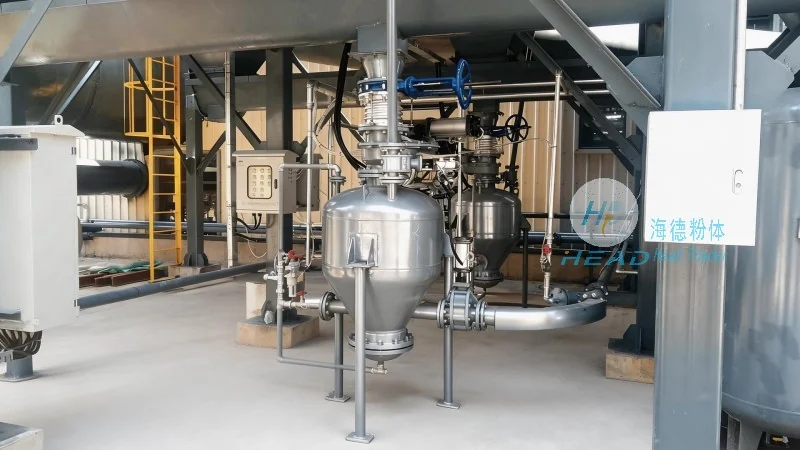
Application Scenarios and Operational Benefits
Real-world applications of pneumatic conveying for ternary cathode materials span various stages of battery production, from raw material handling to final product assembly. In the raw material stage, the system transports powdered cathode precursors from storage silos to mixing and grinding units, ensuring a consistent feed rate for downstream processing. During the mixing phase, the conveying system integrates with high-shear mixers to blend nickel, cobalt, and manganese oxides with other additives, maintaining uniform particle distribution. In the coating and formation stages, the material is conveyed to electrode manufacturing lines, where it is applied to current collectors to form the cathode layer. The benefits of this approach include reduced material handling time, lower labor costs, and improved product quality through consistent material properties. HeadPowder’s systems have demonstrated up to 30% improvement in production throughput compared to traditional mechanical conveying methods, while maintaining material purity and reducing waste.
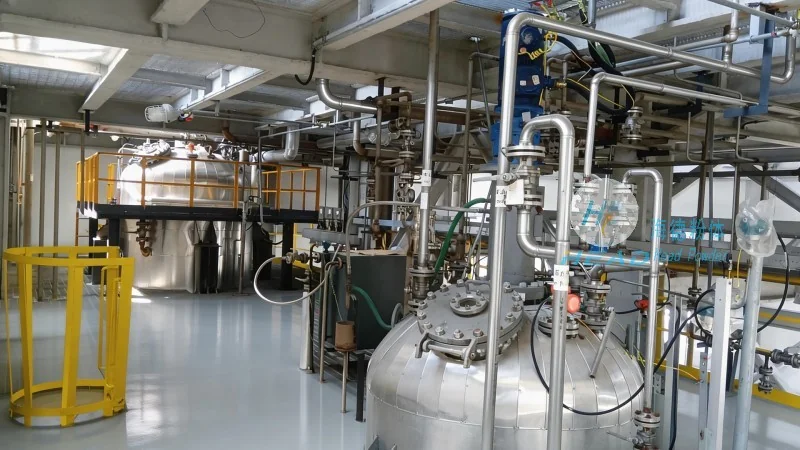
Conclusion and Company Expertise
As the demand for high-performance lithium-ion batteries grows, the efficiency and reliability of material handling systems become critical to production success. HeadPowder Engineering Co., Ltd., with its headquarters in Shandong, China, leverages decades of engineering experience to develop customized pneumatic conveying solutions for ternary cathode materials. By focusing on material integrity, operational precision, and safety, their systems address the unique challenges of battery manufacturing, ensuring that cathode materials are transported efficiently and safely throughout the production process. For companies seeking to optimize their battery production lines, HeadPowder’s expertise in pneumatic conveying offers a proven path to enhanced productivity and product quality.