For industrial operations dealing with lithium carbonate, efficient material handling is crucial. The pneumatic conveying system offers a reliable solution for transporting this valuable chemical. This article explores the working principle and key features of such systems, highlighting their importance in modern processing facilities.
Working Principle of Pneumatic Conveying Systems
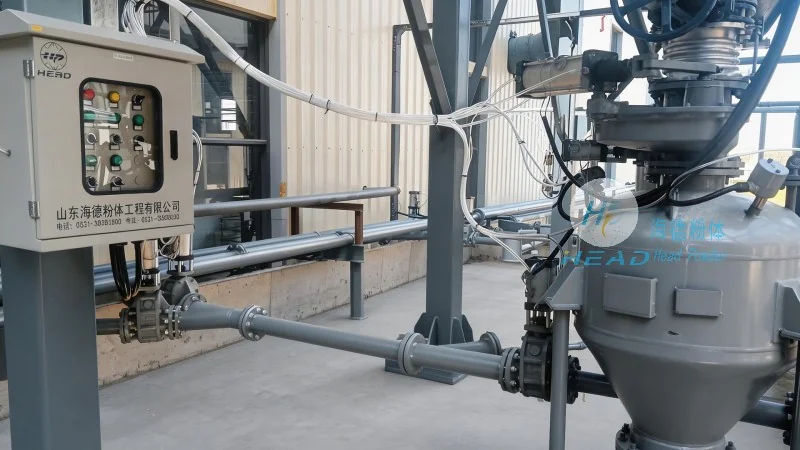
The core mechanism of a pneumatic conveying system involves the use of air or gas to transport solid materials like lithium carbonate. The process typically operates through two main methods: dilute-phase and dense-phase conveying. In dilute-phase systems, material is suspended in a high-velocity air stream, allowing for long-distance transport with minimal pressure drops. Dense-phase systems, on the other hand, use lower air velocities and higher material concentrations, which reduces particle degradation and is ideal for sensitive materials. The system comprises several components, including a hopper for material storage, a conveyor line, a blower or compressor to generate airflow, and a receiver for the discharged material. The air flow is controlled to ensure optimal particle suspension and transport efficiency. The entire process is automated, with sensors monitoring pressure, flow, and material levels to maintain consistent operation.
Key Features of Lithium Carbonate Pneumatic Conveying Systems
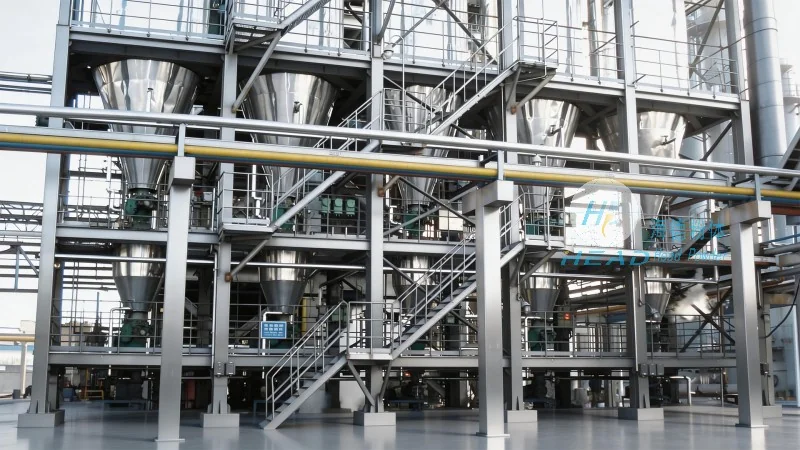
Several distinct features make these systems suitable for lithium carbonate handling. First, they provide a dust-free and enclosed environment, which is essential for maintaining product purity and safety in industrial settings. This enclosed design also minimizes environmental contamination and improves workplace safety. Second, the systems offer high flexibility in terms of layout and integration with existing processing equipment. They can be configured to handle various particle sizes and flow rates, adapting to different production scales. Third, the technology enables gentle material handling, preventing damage to lithium carbonate particles, which is critical for maintaining product quality and market value. Additionally, the systems are energy-efficient compared to traditional mechanical conveying methods, reducing operational costs over time. The modular design allows for easy expansion or modification as production needs evolve, providing long-term investment value.
Application Benefits and Operational Advantages
Implementing a pneumatic conveying system for lithium carbonate offers numerous operational advantages. The enclosed system reduces the risk of dust explosions and improves air quality, aligning with safety and environmental regulations. It also enhances process control by providing real-time data on material flow and pressure, enabling quick adjustments to maintain optimal performance. The system's ability to handle both bulk and fine powders makes it versatile for various stages of lithium carbonate processing, from raw material transport to finished product packaging. Furthermore, the reduced need for manual handling minimizes labor costs and potential human error, contributing to overall operational efficiency. The reliability of pneumatic conveying systems, with minimal downtime for maintenance, ensures consistent production output, which is vital for meeting market demands in the lithium industry.
Conclusion and Company Overview
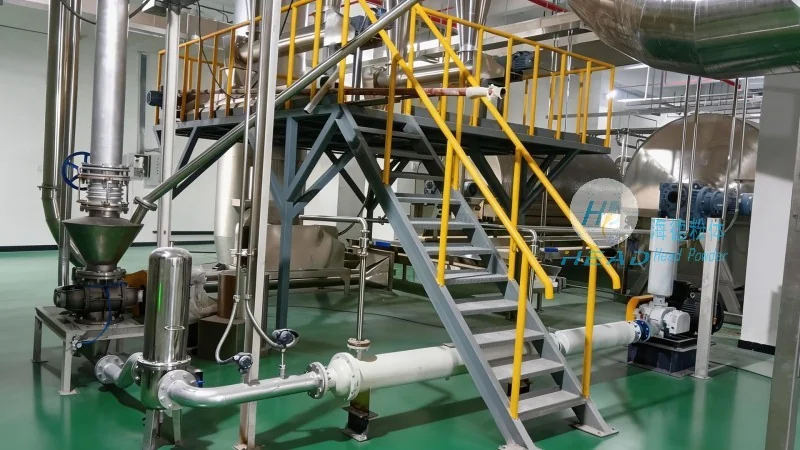
As the demand for lithium carbonate grows in the battery and electronics sectors, efficient material handling solutions are more critical than ever. The pneumatic conveying system, with its robust design and advanced features, stands out as a reliable choice for processing facilities. Shandong HeadPowder Engineering Co., Ltd., a leading provider in this field, specializes in designing and manufacturing customized pneumatic conveying systems tailored to the unique needs of lithium carbonate operations. With a focus on innovation and quality, the company ensures that its systems meet the highest industry standards, delivering superior performance and long-term value to clients. Based in Shandong, China, HeadPowder leverages its expertise to support the global lithium industry in optimizing material transport and enhancing overall production efficiency.




