

What is the Pneumatic Conveying Equipment for Calcium Fluoride Material? What is Its Design Principl
Calcium fluoride, commonly known as fluorspar, is a widely used industrial mineral in various applications such as glass manufacturing, metallurgy, and chemical production. The efficient handling and transportation of calcium fluoride material is crucial for industrial processes, and pneumatic conveying equipment has emerged as a reliable solution for this purpose. This article explores the concept of pneumatic conveying equipment for calcium fluoride material and delves into its design principles, highlighting the technical aspects and operational benefits.
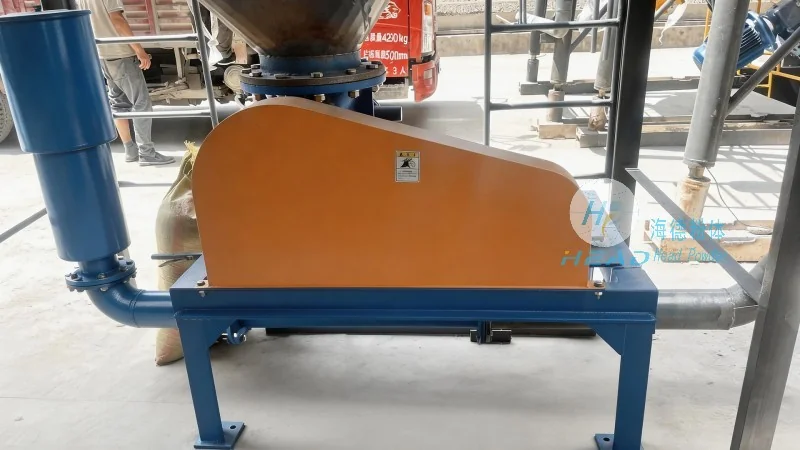
Pneumatic Conveying Equipment: An Overview
Pneumatic conveying systems are mechanical devices that use compressed air or gas to transport bulk materials from one location to another. Unlike traditional methods like belt conveyors or bucket elevators, pneumatic conveying offers advantages such as flexibility in layout, ability to handle fine powders, and reduced risk of contamination. These systems are particularly suitable for materials like calcium fluoride, which are often in powder or granular form and require gentle handling to prevent degradation or caking.
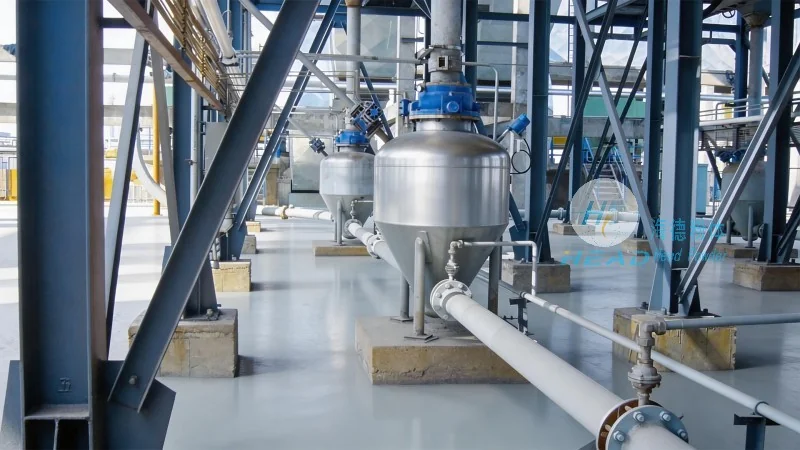
The Design Principle of Calcium Fluoride Material Pneumatic Conveying Equipment
The design of pneumatic conveying equipment for calcium fluoride material involves several key components and principles to ensure efficient and safe operation. The primary components typically include a hopper for material storage, a feeder to control the flow rate, a conveying line (usually made of stainless steel or other corrosion-resistant materials), a blower or compressor to generate the necessary air pressure, and a receiver for the discharged material. The system operates by feeding the calcium fluoride material into the hopper, where it is then metered by the feeder into the conveying line. The blower then introduces compressed air, creating a flow that carries the material through the line to the receiver. The design must consider factors such as material properties (e.g., particle size, moisture content, density), conveying distance, and desired flow rate to optimize performance.
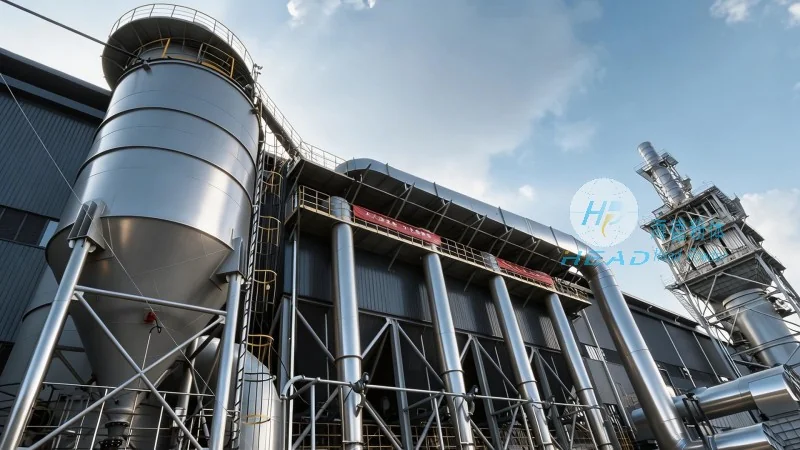
Key Design Considerations for Calcium Fluoride Conveying Systems
When designing pneumatic conveying equipment for calcium fluoride, several critical factors must be addressed to ensure reliability and efficiency. First, the material's physical characteristics, including particle size distribution and moisture content, influence the choice of conveying method (e.g., dilute phase or dense phase). Dilute phase systems are suitable for short distances and fine powders, while dense phase systems are preferred for longer distances or bulkier materials. The system's pressure and velocity must be carefully controlled to prevent material degradation or blockages. Additionally, the equipment must be constructed from materials resistant to corrosion and abrasion, as calcium fluoride can be abrasive and may contain impurities that could damage components over time. Proper sealing and maintenance are also essential to minimize dust emissions and ensure long-term operation.
Operational Benefits and Applications
The use of pneumatic conveying equipment for calcium fluoride material offers several operational benefits. These systems provide a dust-free and enclosed environment, reducing health hazards and environmental pollution associated with loose material handling. They also enable precise control over material flow, improving process consistency and reducing waste. In industrial settings, such as glass factories or chemical plants, these systems enhance productivity by streamlining material transport and integrating with existing production lines. The flexibility of pneumatic conveying allows for easy integration into existing facilities, making it a cost-effective solution for upgrading or expanding material handling capabilities.
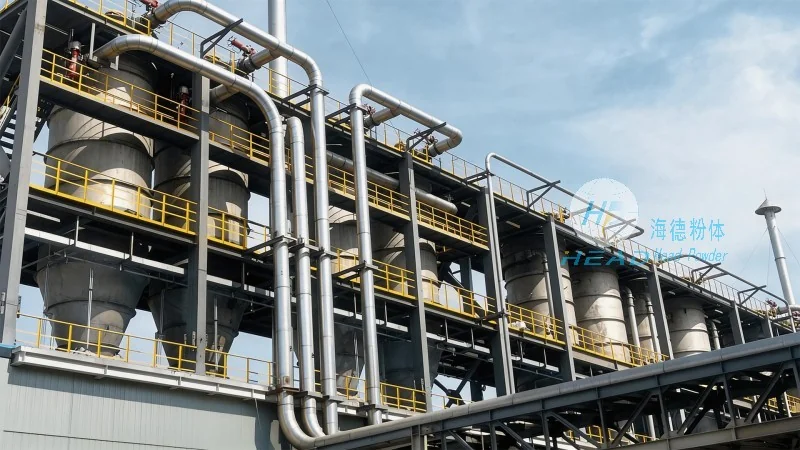
About Shandong HeadPowder Engineering Co., Ltd.
Shandong HeadPowder Engineering Co., Ltd., commonly known as HeadPowder, is a leading manufacturer specializing in the design and production of pneumatic conveying equipment for various industrial materials. With a focus on innovation and quality, HeadPowder has established itself as a trusted partner in the chemical and mineral processing industries. The company's facilities are located in Shandong, China, where it leverages advanced technology and expertise to develop customized solutions tailored to the specific needs of clients. HeadPowder's commitment to excellence ensures that its products meet the highest standards of performance, safety, and durability, making them suitable for demanding industrial applications.