

What is the Pneumatic Conveying of Rice Husk Material? What Are the Design Principles?
Rice husk material, a byproduct of rice processing, is widely utilized in industrial applications such as fuel, animal feed, and biofuel production. Efficient material handling is crucial for optimizing processing workflows. Pneumatic conveying systems have become a preferred method for transporting rice husk due to their ability to handle fine or bulk materials with minimal maintenance and operational complexity. This article explores the fundamentals of pneumatic conveying for rice husk material and examines the key design principles that ensure optimal performance.
Introduction to Pneumatic Conveying for Rice Husk Material
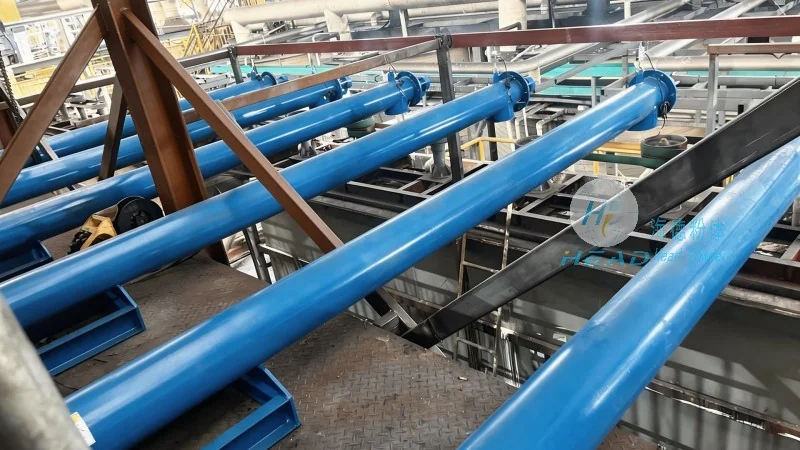
Pneumatic conveying involves transporting solid materials through a pipeline using a stream of air or gas. For rice husk, this technology enables movement from a source to a destination without mechanical components like belts or buckets. The system typically includes a hopper, conveyor line, and receiver, with air flow generated by a blower or compressor. A primary advantage is handling dusty or fine particles common in rice husk processing, preventing clogging or material degradation.
Key Design Principles for Efficient Rice Husk Conveying Systems
The effectiveness of a pneumatic conveying system for rice husk depends on critical design principles. First, air velocity must be sufficient to lift and transport particles through the pipeline. For rice husk with low bulk density, higher velocities are often required to ensure proper suspension. Engineers calculate minimum air velocity based on material terminal velocity and desired conveying rate. Second, system pressure and flow rate must be optimized to balance energy efficiency and material capacity. Over-pressurization can cause excessive energy use and equipment damage, while under-pressurization may lead to incomplete transfer or blockages.
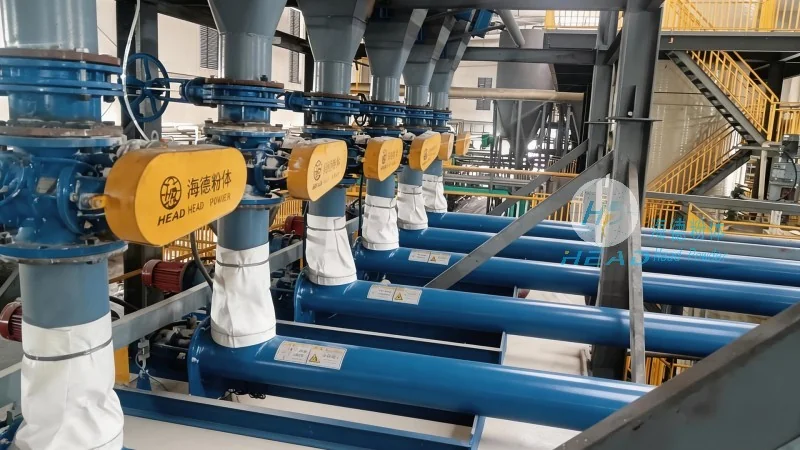
Third, pipeline and fitting design is vital for minimizing pressure losses and preventing buildup. Elbows, bends, and transitions should have smooth transitions to avoid turbulence and particle accumulation. Appropriate materials like stainless steel or corrosion-resistant alloys are essential to prevent degradation from rice husk's acidic or abrasive nature. The choice of blower or compressor is also crucial. Positive displacement blowers suit low to medium pressure, while centrifugal compressors are for high-pressure systems. Selection depends on conveying distance, material characteristics, and required flow rate.
Company Overview: HeadPowder Engineering
HeadPowder Engineering, a leading provider of material handling solutions, specializes in designing and manufacturing pneumatic conveying systems tailored to rice husk processing needs. Headquartered in Shandong, China, the company has extensive experience in developing customized solutions for bulk material applications. Their team works closely with clients to understand specific requirements—from material characteristics to operational constraints—and designs systems maximizing efficiency and reliability. The company's commitment to quality and innovation has made it a trusted partner for businesses seeking to optimize rice husk handling processes.
Technical Considerations in Pneumatic Conveying of Rice Husk
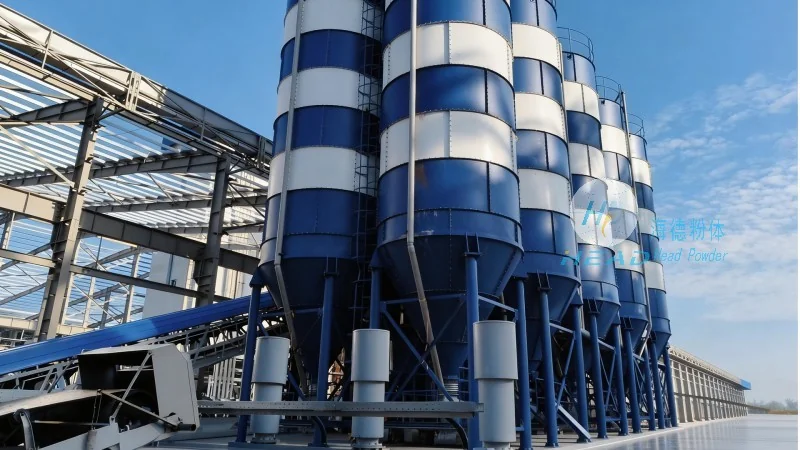
Designing a pneumatic conveying system for rice husk requires considering technical factors for long-term performance and minimal downtime. Moisture content is critical, as high levels cause caking and blockages. Engineers often incorporate drying or conditioning steps before material enters the system. Particle size distribution also matters, as finer particles need higher air velocities and careful system design to prevent loss or equipment wear. System capacity and scalability are important, as processing facilities may expand. HeadPowder Engineering offers flexible designs that can be upgraded or expanded for increased production volumes.
Conclusion
Pneumatic conveying is highly effective for transporting rice husk material, offering advantages like minimal maintenance, flexibility, and handling of dusty or fine particles. System success depends on careful consideration of design principles, including air velocity, pressure, pipeline design, and equipment selection. Companies like HeadPowder Engineering provide customized solutions meeting specific industry needs, ensuring efficient material handling and optimal operational performance. By understanding key design principles and partnering with experienced engineers, businesses can implement pneumatic conveying systems that enhance productivity and reduce operational costs in rice husk processing.