

Technical Analysis of Pneumatic Conveying Systems for Lithium-Ion Battery Raw Materials: Comparison
HeadPowder, a leading engineering firm based in Shandong, China, specializes in the design and implementation of advanced pneumatic conveying systems tailored for the lithium-ion battery industry. The company's expertise lies in optimizing material handling processes for raw materials used in lithium battery production, ensuring efficiency, reliability, and safety in material transport. This article delves into the technical nuances of pneumatic conveying systems, focusing on the comparison between positive pressure and negative pressure conveying modes, which are critical for selecting the most suitable solution for specific industrial applications.
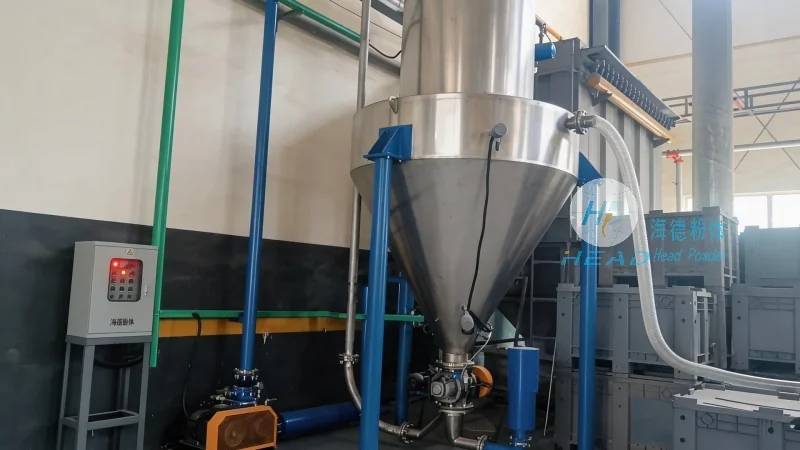
Introduction to Pneumatic Conveying Systems in Lithium-Ion Battery Manufacturing
Pneumatic conveying systems have become indispensable in the lithium-ion battery manufacturing sector due to their ability to transport bulk materials like lithium compounds, graphite, and other raw materials over long distances with minimal human intervention. These systems utilize air or gas as the conveying medium, enabling the movement of materials through pipelines. The choice of conveying mode—positive pressure or negative pressure—significantly impacts system performance, energy consumption, and material handling efficiency. Understanding the technical differences and operational characteristics of each mode is essential for optimizing production lines and ensuring consistent quality in battery manufacturing.
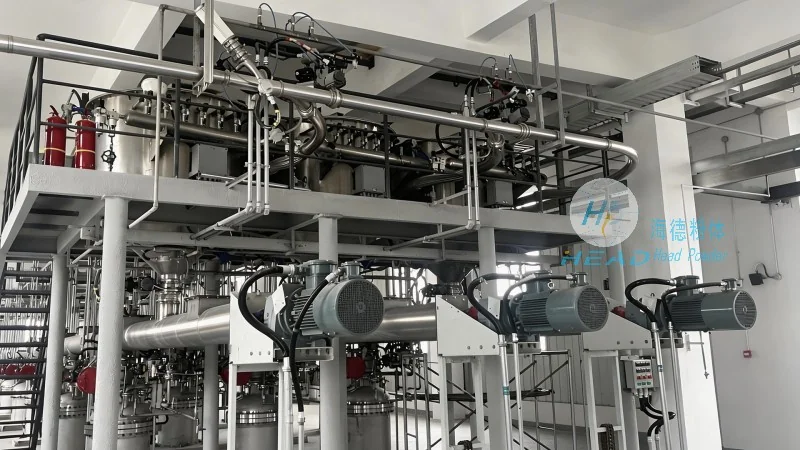
Positive Pressure Conveying Mode: Advantages and Technical Aspects
Positive pressure conveying systems operate by blowing air or gas into the material stream, creating a pressure higher than the ambient air pressure. This method is widely used in the battery industry for its ability to handle a wide range of materials, including fine powders and granules. The primary advantage of positive pressure systems is their ability to transport materials over long distances without the need for complex vacuum equipment. The system typically consists of a blower, a material feed hopper, and a pipeline network. The blower generates the necessary pressure to move the material, and the pipeline design ensures smooth material flow. HeadPowder's engineers have developed advanced positive pressure systems that incorporate features such as variable speed blowers, which allow for precise control of material flow rates, and advanced filtration systems to maintain material purity. These systems are particularly effective for transporting materials from storage silos to processing units, as they can handle high material loads and maintain consistent flow rates. Additionally, positive pressure systems are generally more energy-efficient for long-distance transport compared to negative pressure systems, as they require less power to maintain the pressure differential. However, they may require more robust pipeline materials and higher maintenance due to the higher pressure levels involved.
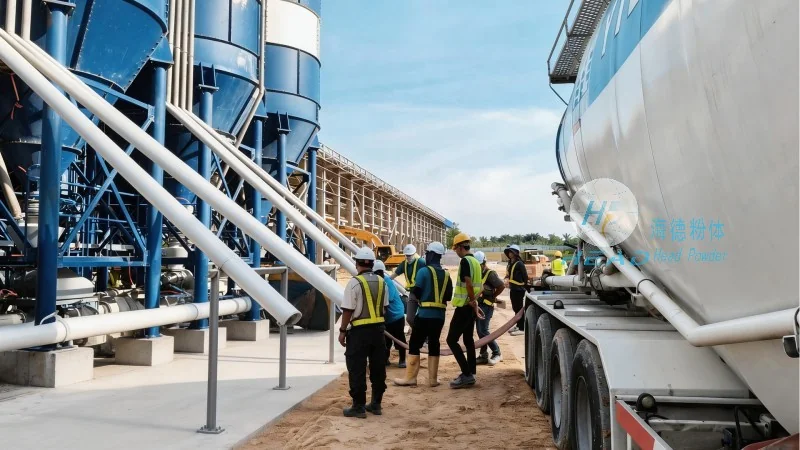
Negative Pressure Conveying Mode: Operational Principles and Applications
Negative pressure conveying systems, also known as vacuum conveying, operate by creating a vacuum in the material line, which draws material from the source into the pipeline. This mode is often preferred for applications where the material needs to be transported from a lower elevation or where the material is sensitive to high pressure. The system includes a vacuum pump, a material feed hopper, and a pipeline network. The vacuum pump creates a pressure lower than the ambient air pressure, causing material to be drawn into the pipeline. Negative pressure systems are particularly effective for handling fine powders and dust, as the vacuum helps to prevent material loss and maintain material integrity. HeadPowder's negative pressure systems are designed with high-efficiency vacuum pumps that can achieve deep vacuum levels, ensuring reliable material transport even for low-conductivity materials. These systems are commonly used in battery manufacturing for transporting materials from processing units back to storage or for handling materials that require gentle handling to avoid agglomeration. The main advantage of negative pressure systems is their ability to handle materials with low flowability or high dust content without causing material degradation. However, they may have limitations in terms of maximum transport distance and material load capacity compared to positive pressure systems. The energy consumption of negative pressure systems is generally higher due to the continuous operation of the vacuum pump, which can impact overall system efficiency.
Key Technical Considerations for Selecting the Right Conveying Mode
When selecting between positive pressure and negative pressure conveying modes for lithium-ion battery raw materials, several technical factors must be considered. The first is the material characteristics, including particle size, density, and flowability. Fine powders with high dust content are often better suited for negative pressure systems, as the vacuum helps to maintain material integrity and prevent loss. In contrast, bulkier materials or those with good flowability may perform better in positive pressure systems. The second factor is the transport distance and elevation changes. Positive pressure systems are more suitable for long-distance transport over elevated areas, while negative pressure systems are better for short-distance or horizontal transport. The third factor is energy consumption and operational costs. Positive pressure systems generally have lower energy costs for long-distance transport, whereas negative pressure systems may have higher energy costs due to the vacuum pump. The fourth factor is system maintenance and reliability. Positive pressure systems may require more frequent maintenance of the blower and pipeline components due to higher pressure, while negative pressure systems may require more attention to the vacuum pump and filtration systems. HeadPowder's engineering team considers all these factors during the system design process, ensuring that the selected conveying mode optimizes performance, reduces operational costs, and meets the specific requirements of the battery manufacturing plant.
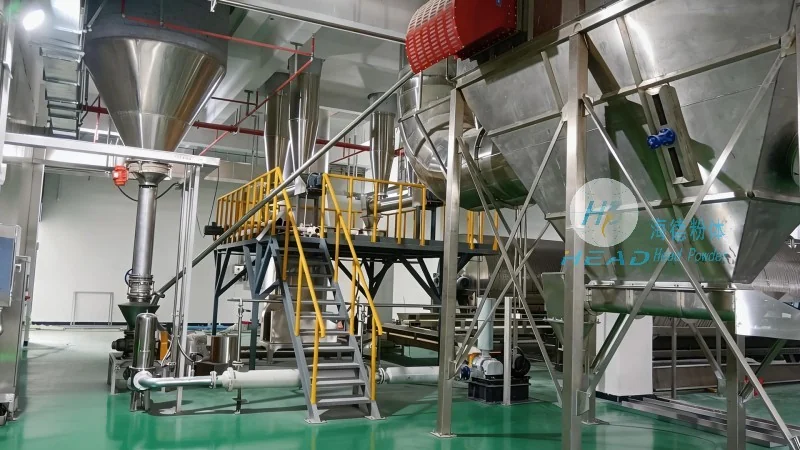
HeadPowder's Expertise in Pneumatic Conveying System Design
Shandong HeadPowder Engineering Co., Ltd. has extensive experience in designing and implementing pneumatic conveying systems for the lithium-ion battery industry. The company's engineers work closely with clients to understand their specific material handling needs, production volumes, and operational constraints. By leveraging advanced simulation tools and material testing, HeadPowder can design customized systems that meet the unique requirements of each project. The company's positive pressure and negative pressure systems are equipped with state-of-the-art components, including high-efficiency blowers, advanced filtration systems, and automated control systems. These systems are designed to be scalable, allowing for easy expansion as production needs grow. HeadPowder also provides comprehensive after-sales support, including system maintenance, troubleshooting, and performance optimization. The company's commitment to quality and customer satisfaction has made it a trusted partner for many battery manufacturers in China and beyond. By choosing HeadPowder's pneumatic conveying systems, clients can ensure reliable material transport, reduce downtime, and improve overall production efficiency.