Arising from the need to safely and efficiently handle arsenic trioxide (As₂O₃), a highly toxic and reactive chemical, pneumatic conveying systems have become a critical technology in industrial processing. This technical analysis delves into the operational principles, advantages, and limitations of two primary conveying modes—positive pressure and negative pressure systems—providing a comprehensive comparison to assist in system selection for arsenic trioxide applications. The discussion is presented by Shandong HeadPowder Engineering Co., Ltd., a leading provider of specialized material handling solutions based in Shandong, China.
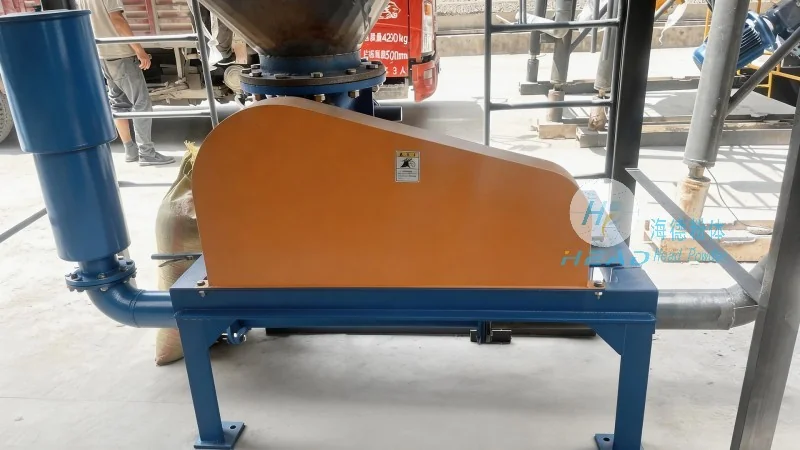
Company Background and Expertise
Shandong HeadPowder Engineering Co., Ltd. specializes in the design, manufacturing, and implementation of advanced pneumatic conveying systems tailored to the unique challenges of handling hazardous materials like arsenic trioxide. With years of experience in the chemical and pharmaceutical industries, the company has developed a deep understanding of material properties, system dynamics, and regulatory requirements. Based in Shandong, China, HeadPowder leverages local manufacturing capabilities and regional expertise to deliver customized solutions that meet stringent safety and performance standards.
Positive Pressure Pneumatic Conveying Systems
Positive pressure systems operate by pressurizing the entire conveying line with air or an inert gas, ensuring that the material is transported under a positive pressure relative to the ambient environment. This mode is particularly effective for handling fine powders and granular materials, as it prevents dust leakage and maintains material integrity during transport. The system typically consists of a blower or compressor that generates the pressure, a hopper for material storage, a feed device (such as a rotary valve or star feeder), and a pipeline network that transports the material to the destination. In the context of arsenic trioxide, positive pressure systems are often preferred when the material is to be transferred over long distances or through multiple process stages, as they offer consistent flow rates and minimal pressure drop.
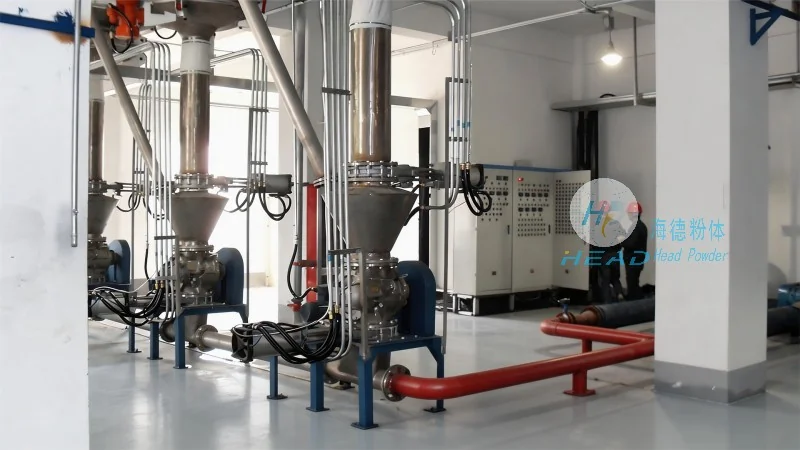
A key advantage of positive pressure systems is their ability to handle high material loads and maintain stable operation under varying conditions. The pressurized environment also reduces the risk of dust contamination and exposure, which is critical for handling toxic substances like arsenic trioxide. However, these systems require robust sealing and pressure containment to prevent leaks, and they may be more complex and expensive to install and maintain compared to negative pressure alternatives. Additionally, the use of compressed air can increase energy consumption, making them less suitable for applications where cost efficiency is a primary concern.
Negative Pressure Pneumatic Conveying Systems
Negative pressure systems, also known as vacuum conveying systems, work by creating a vacuum in the conveying line, drawing material from the source into the system. The material is then transported through the pipeline under the pressure difference between the source and the destination. This mode is commonly used for handling materials that are prone to dust generation or require gentle handling, as the vacuum reduces the risk of material degradation and exposure. The system typically includes a vacuum pump, a hopper or material container, a feed device, and a pipeline network that transports the material to the processing unit.
One of the primary benefits of negative pressure systems is their ability to handle fine powders and fragile materials without causing excessive particle breakage. The gentle suction action minimizes material attrition, which is essential for maintaining the quality of arsenic trioxide, which can be sensitive to mechanical stress. Additionally, negative pressure systems are generally simpler to install and maintain, as they do not require high-pressure components or extensive sealing. However, they are less effective for long-distance or high-volume transport, as the vacuum can lead to higher energy consumption and potential material blockages in the pipeline.
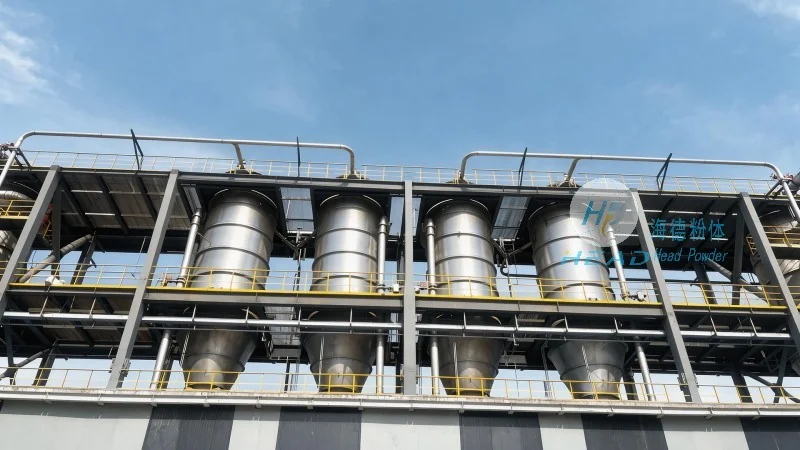
Comparison of Positive Pressure vs Negative Pressure Conveying Modes
When selecting a pneumatic conveying system for arsenic trioxide, the choice between positive and negative pressure modes depends on several factors, including the distance of material transport, the material's properties (such as particle size and moisture content), the required flow rate, and the overall system cost. Positive pressure systems are generally more suitable for long-distance, high-volume applications where consistent pressure and minimal leakage are critical. They excel in maintaining material integrity and reducing exposure risks, making them ideal for industrial-scale processing where safety and efficiency are paramount.
On the other hand, negative pressure systems are better suited for shorter transport distances, handling fine or fragile materials, and applications where energy efficiency and simplicity are prioritized. They offer a gentler conveying action, which is beneficial for materials that are prone to degradation or dust generation. However, their performance may be limited by the vacuum's ability to maintain consistent flow rates over longer distances, and they may require additional equipment (such as filters and dust collectors) to manage the vacuum environment.
Key Considerations for Arsenic Trioxide Pneumatic Conveying
Handling arsenic trioxide requires special attention to safety, as the material is highly toxic and can cause severe health effects if inhaled or ingested. Pneumatic conveying systems must be designed with robust containment measures, including sealed hoppers, leak-proof pipelines, and proper ventilation systems to prevent exposure. Additionally, the choice of conveying mode should consider the material's reactivity and the potential for dust accumulation, as both positive and negative pressure systems must be equipped with effective dust control and filtration systems.
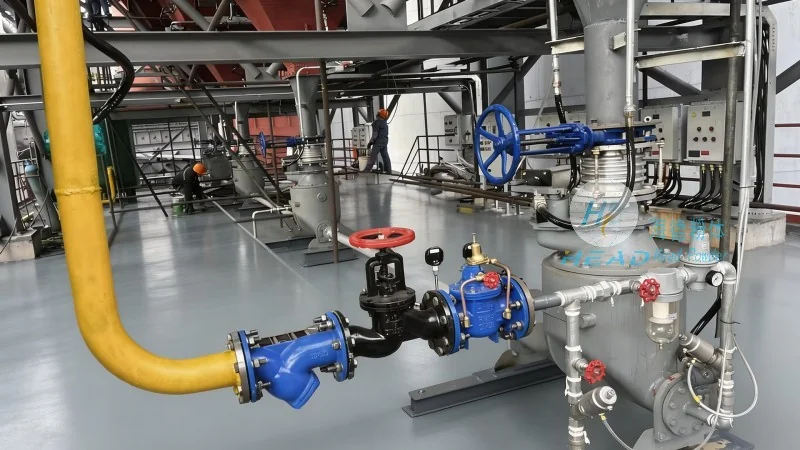
From a technical standpoint, the selection of positive or negative pressure depends on the specific application requirements. Positive pressure systems provide greater control over material flow and pressure, making them suitable for complex process lines. Negative pressure systems, while simpler, may be more cost-effective for smaller-scale operations or applications where the material is handled in a controlled environment with minimal exposure risks.
Conclusion
Both positive pressure and negative pressure pneumatic conveying systems offer viable solutions for handling arsenic trioxide, with each mode presenting distinct advantages and limitations. The optimal choice depends on the operational parameters, safety requirements, and economic considerations of the specific application. Shandong HeadPowder Engineering Co., Ltd. provides expert consultation and customized system design to help clients select the most appropriate conveying mode, ensuring safe, efficient, and cost-effective material transport for arsenic trioxide and other hazardous materials.




