

What is the pneumatic conveying of rice husk ash material? What are the design principles?
Pneumatic conveying systems are widely used in various industrial applications for transporting bulk materials, including agricultural byproducts like rice husk ash. This method involves using air to move particles through a pipeline, offering advantages such as efficiency, flexibility, and reduced contamination compared to traditional methods like belt conveyors or bucket elevators. For industries dealing with rice husk ash, understanding the principles of pneumatic conveying is crucial for optimizing material handling processes and ensuring operational efficiency.
Understanding Rice Husk Ash and Its Properties
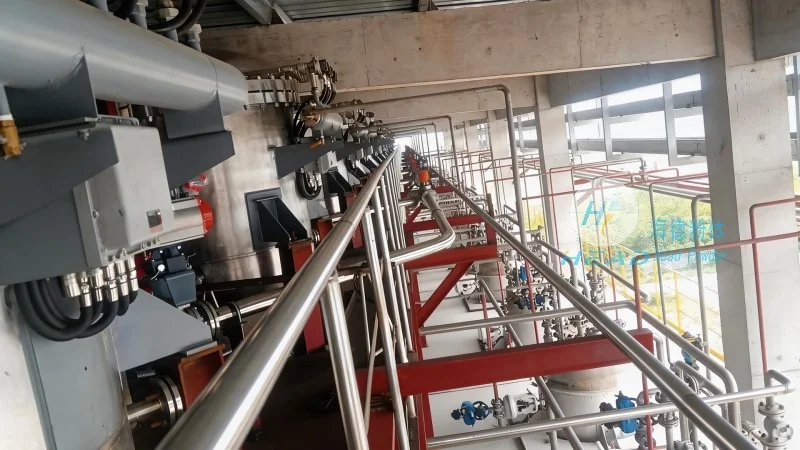
Rice husk ash is a byproduct of the rice milling process, formed from the combustion of rice husks. It is characterized by its lightweight, porous structure and high ash content, which makes it suitable for applications like construction materials, fertilizers, and industrial additives. The physical properties of rice husk ash, including particle size distribution, density, and moisture content, significantly impact the design and performance of pneumatic conveying systems. For example, finer particles may require higher air velocities to maintain flow, while larger particles might need more robust equipment to prevent blockages. The company, Shandong HeadPowder Engineering Co., Ltd., specializes in engineering solutions tailored to handle such materials, ensuring that the conveying system is optimized for the specific characteristics of rice husk ash.
Design Principles of Pneumatic Conveying Systems for Rice Husk Ash
The design of a pneumatic conveying system for rice husk ash involves several key principles that ensure reliable and efficient operation. First, the system must be designed to handle the specific particle size and flow characteristics of the material. This includes selecting appropriate air velocities and pipeline diameters to maintain a stable flow without causing excessive pressure drops or particle degradation. The company, HeadPowder, employs advanced engineering techniques to calculate these parameters, considering factors like the material's bulk density, angle of repose, and air resistance. Second, the system must incorporate components that minimize wear and tear from the abrasive nature of rice husk ash. This includes using high-quality materials for the pipeline, valves, and cyclone separators to ensure long-term durability. Third, the system should be designed for easy maintenance and cleaning, as rice husk ash can accumulate in the system and affect performance. The company's expertise in material handling allows them to design systems with features like self-cleaning cyclones and easy access points for maintenance, ensuring that the system operates at peak efficiency over its lifespan.
Key Components and Their Roles in the Conveying System
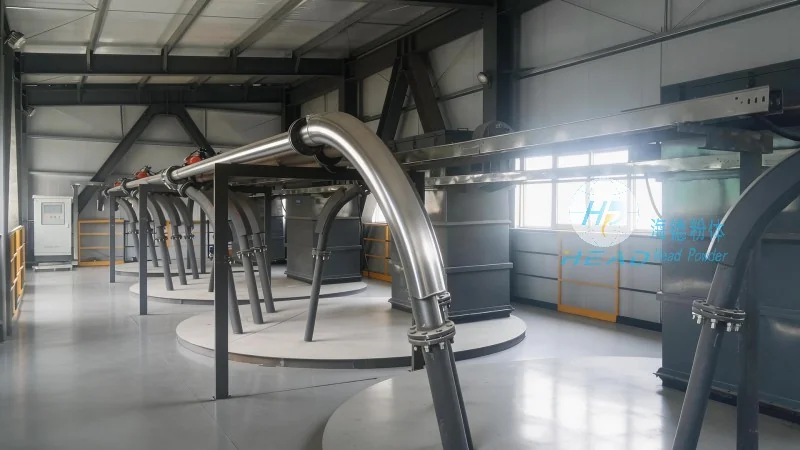
A pneumatic conveying system for rice husk ash typically consists of several key components, each playing a critical role in the overall operation. The primary components include the material feed hopper, the air supply system (usually a blower or fan), the conveying pipeline, the cyclone separator, and the material discharge system. The feed hopper is responsible for storing and feeding the rice husk ash into the system, ensuring a consistent flow rate. The air supply system generates the necessary air pressure to move the material through the pipeline. The conveying pipeline transports the material and air mixture from the feed point to the discharge point. The cyclone separator separates the material from the air, allowing the material to be collected and the air to be recirculated or vented. The discharge system collects the material and may include a storage bin or processing equipment. The company, Shandong HeadPowder Engineering Co., Ltd., designs these components with precision, ensuring that each part is optimized for the specific requirements of rice husk ash, such as the need for high air velocities and robust separation mechanisms.
Advantages of Pneumatic Conveying for Rice Husk Ash Handling
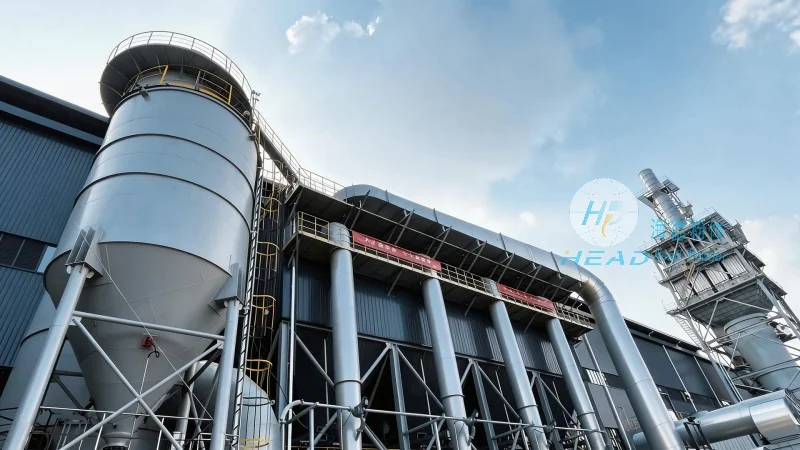
Compared to traditional material handling methods, pneumatic conveying offers several advantages for rice husk ash. First, it provides a clean and hygienic method of transporting the material, as the system is enclosed and prevents contamination from dust or other external factors. This is particularly important for applications where the material is used in food or construction industries. Second, pneumatic conveying systems are highly flexible, allowing for changes in the conveying route or capacity without major modifications to the system. This flexibility is beneficial for industries that may need to adjust their production processes or expand their operations. Third, the system can be designed to handle large volumes of material efficiently, reducing the need for multiple handling steps and improving overall productivity. The company, HeadPowder, has successfully implemented pneumatic conveying systems for rice husk ash in various industrial settings, demonstrating the effectiveness of this approach in improving material handling efficiency and reducing operational costs.
Applications and Industries Using Pneumatic Conveying for Rice Husk Ash
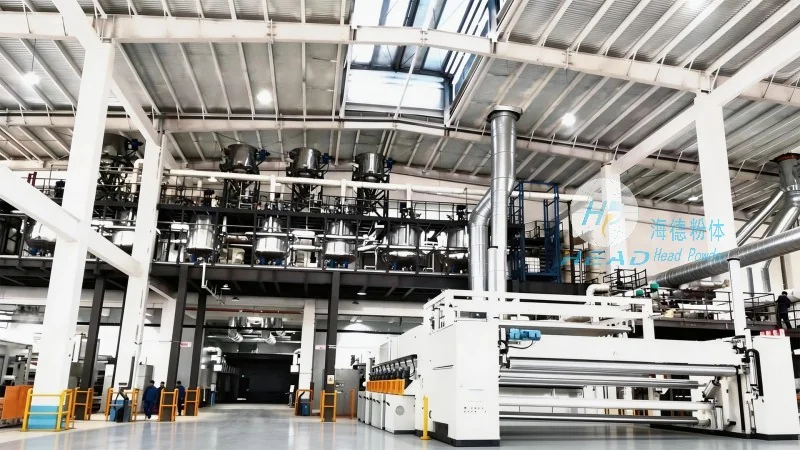
Rice husk ash is used in a variety of industries, and pneumatic conveying systems are well-suited for handling this material in these applications. In the construction industry, rice husk ash is used as a raw material for lightweight concrete and other building materials. Pneumatic conveying allows for the efficient transport of this material from storage to processing facilities, ensuring a consistent supply for production. In the agricultural industry, rice husk ash is used as a fertilizer or soil amendment, and pneumatic conveying systems can transport it from storage to application sites, improving the efficiency of fertilizer distribution. In the industrial sector, rice husk ash is used as an additive in manufacturing processes, and pneumatic conveying systems can handle the material from raw storage to the production line. The company, Shandong HeadPowder Engineering Co., Ltd., has experience in designing and implementing pneumatic conveying systems for these applications, providing customized solutions that meet the specific needs of each industry.
Conclusion and Company Overview
Pneumatic conveying of rice husk ash material is a critical process in industries that utilize this byproduct, and understanding its design principles is essential for optimizing material handling. The company, Shandong HeadPowder Engineering Co., Ltd., based in China, specializes in engineering and manufacturing pneumatic conveying systems tailored to the unique properties of rice husk ash. With a focus on efficiency, durability, and flexibility, the company provides comprehensive solutions that enhance the operational performance of its clients. By leveraging advanced engineering techniques and a deep understanding of material handling, HeadPowder ensures that its systems are designed to meet the specific requirements of each application, delivering reliable and cost-effective solutions for rice husk ash transportation.