

What is the Pneumatic Conveying of Carbon Black and Coal Powder Materials? Exploring the Design Prin
Carbon black and coal powder are widely used in various industrial applications, and their efficient handling is crucial for maintaining production efficiency and product quality. Pneumatic conveying has emerged as a key technology for transporting these materials, offering advantages such as dust control, reduced contamination, and flexible system integration. This article explores the fundamentals of carbon black and coal powder material pneumatic conveying, including its operational principles and the critical design considerations that ensure optimal performance.
Pneumatic Conveying: An Overview
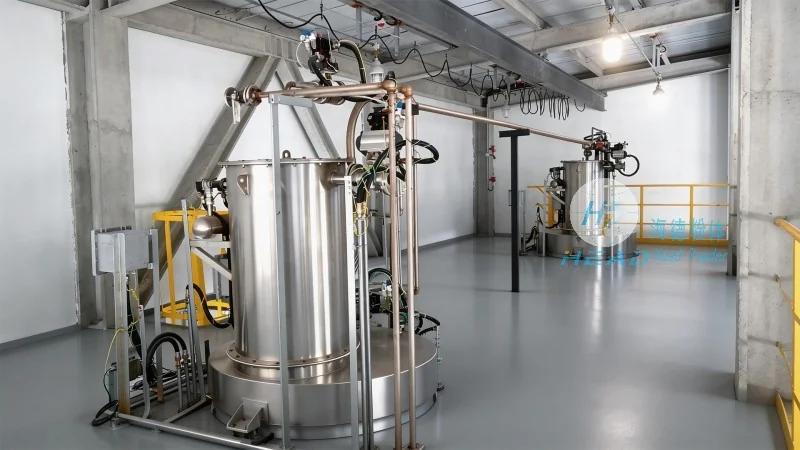
Pneumatic conveying is a method of transporting bulk materials through a pipeline using a gas stream, typically air or a combination of air and other gases. In the context of carbon black and coal powder, this technology is particularly valuable due to the high dust content and abrasive nature of these materials. Unlike mechanical conveying systems, which rely on moving parts and may cause material degradation or contamination, pneumatic conveying uses a pressurized or vacuum system to move materials, minimizing the risk of product degradation and ensuring a cleaner handling process.
Key Components of a Pneumatic Conveying System
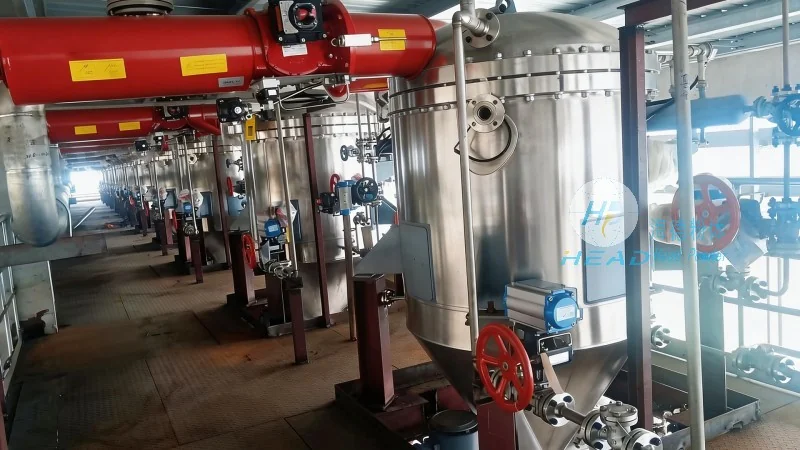
A typical pneumatic conveying system for carbon black and coal powder consists of several essential components that work in tandem to achieve efficient material transport. These components include a material feeder, a conveying line (pipeline), a pressure or vacuum source, a control system, and a discharge device. The material feeder is responsible for introducing the carbon black or coal powder into the system at a controlled rate, ensuring consistent flow. The conveying line, often made of corrosion-resistant materials like stainless steel or polyethylene, transports the material from the feeder to the discharge point. The pressure or vacuum source provides the necessary force to move the material through the pipeline, while the control system monitors and adjusts the system parameters to maintain optimal performance. Finally, the discharge device, such as a rotary valve or a hopper, collects the material at the end of the conveying line.
Design Principles for Carbon Black and Coal Powder Conveying
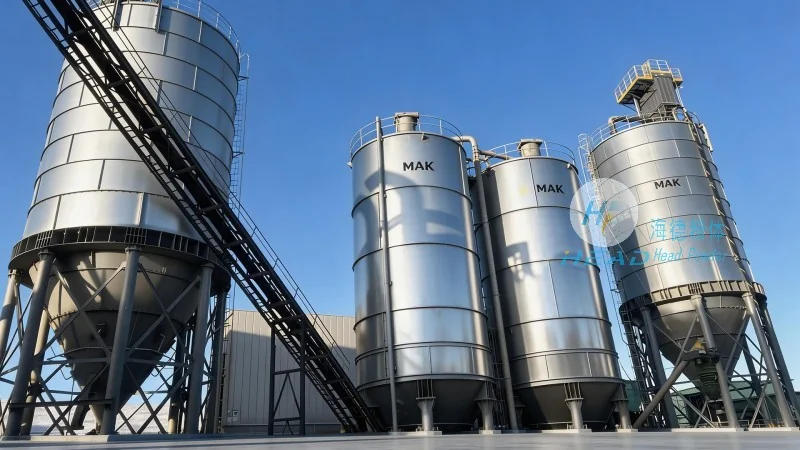
The design of a pneumatic conveying system for carbon black and coal powder requires careful consideration of several factors to ensure reliable operation and long-term durability. First, the system must be designed to handle the specific properties of the materials, including their particle size distribution, density, and flowability. Carbon black particles are typically fine and abrasive, while coal powder may have a wider range of particle sizes and varying moisture content. These characteristics influence the choice of equipment, such as the type of feeder (e.g., rotary valve, screw feeder) and the conveying velocity. Second, the system must be engineered to minimize pressure drop and energy consumption. This involves selecting the appropriate pipeline diameter, length, and layout, as well as optimizing the air flow rate. High pressure drop can lead to increased energy costs and potential system failure, while excessive air flow may cause material degradation or increased dust emissions. Third, the system must incorporate effective dust control measures to comply with environmental regulations and maintain a safe working environment. This may include the use of cyclone separators, filters, and dust collection systems. Additionally, the design must consider the potential for material buildup or blockages in the pipeline, which can be mitigated through the use of cleaning mechanisms or alternative conveying methods for high-resistance materials.
HeadPowder: Expertise in Carbon Black and Coal Powder Pneumatic Conveying
Shandong HeadPowder Engineering Co., Ltd., commonly known as HeadPowder, is a leading provider of specialized engineering solutions for the handling of carbon black and coal powder materials. HeadPowder is headquartered in Shandong, China, and has years of experience in the industry. With a team of skilled engineers and technicians, HeadPowder has developed a deep understanding of the unique challenges associated with these materials and has designed innovative pneumatic conveying systems that address these challenges effectively. The company's expertise includes the selection of appropriate equipment, such as high-capacity feeders, corrosion-resistant pipelines, and advanced control systems, as well as the implementation of efficient dust control measures. By leveraging their knowledge and experience, HeadPowder helps clients improve their production efficiency, reduce operational costs, and enhance product quality. The company's commitment to quality and customer satisfaction has made it a trusted partner for businesses in the carbon black and coal powder industries.
Conclusion
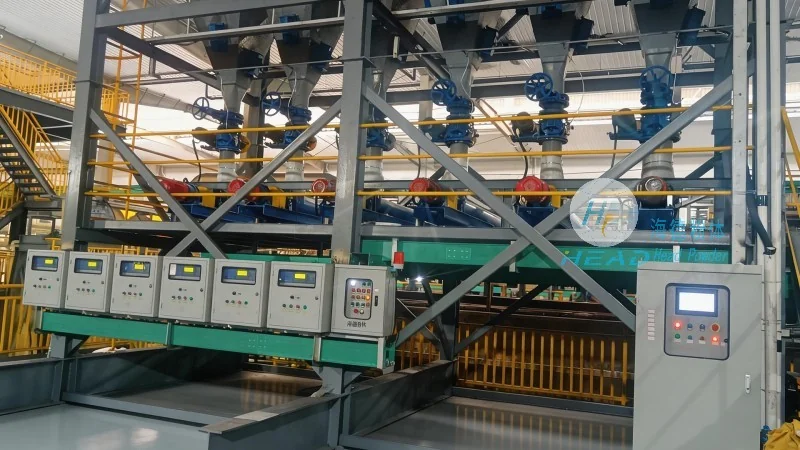
Pneumatic conveying is a critical technology for the efficient handling of carbon black and coal powder materials, and its design requires careful consideration of the material properties, system components, and operational requirements. By understanding the fundamentals of pneumatic conveying and following the design principles outlined above, industries can achieve reliable and cost-effective material transport. HeadPowder, with its expertise and customized solutions, plays a vital role in helping clients implement effective pneumatic conveying systems that meet their specific needs and contribute to their overall success in the market.