

What is Cotton Fiber Material Pneumatic Conveying? And What Are Its Design Principles?
When discussing material handling systems, cotton fiber material pneumatic conveying stands out as a specialized method for transporting fibrous materials like cotton. This technology uses a combination of air and mechanical components to move cotton fibers from one location to another, offering advantages in terms of cleanliness, efficiency, and reduced material degradation compared to traditional methods such as belt conveyors or bucket elevators.
What is Cotton Fiber Material Pneumatic Conveying?
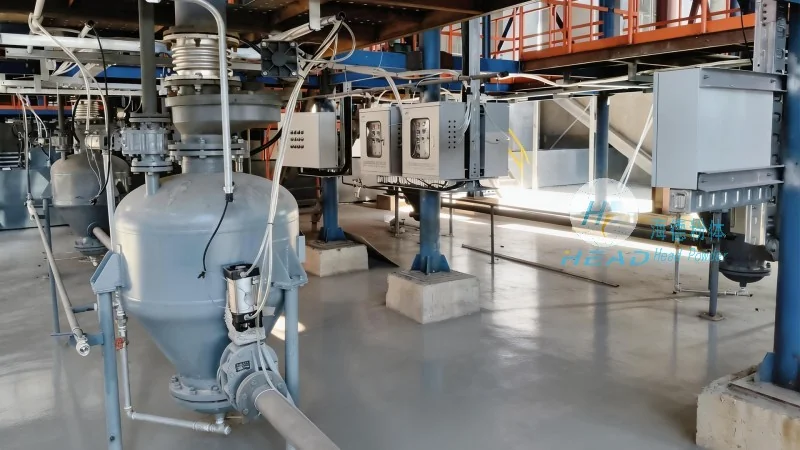
Cotton fiber material pneumatic conveying is a type of pneumatic conveying system specifically designed to handle the unique properties of cotton fibers. Unlike other bulk materials, cotton fibers are lightweight, highly abrasive, and can be prone to static electricity, which requires specialized equipment to manage effectively. The system typically operates by creating a vacuum or pressure differential to draw or push the cotton fibers through a network of pipes. The process involves several key components, including a feeding device, a conveying line, a separation unit, and a discharge mechanism. The feeding device ensures that the cotton fibers are introduced into the system in a controlled manner, while the conveying line transports them to the desired destination. The separation unit then separates the fibers from the air stream, allowing for the collection of the material at the end of the process.
The Design Principles of Cotton Fiber Pneumatic Conveying Systems
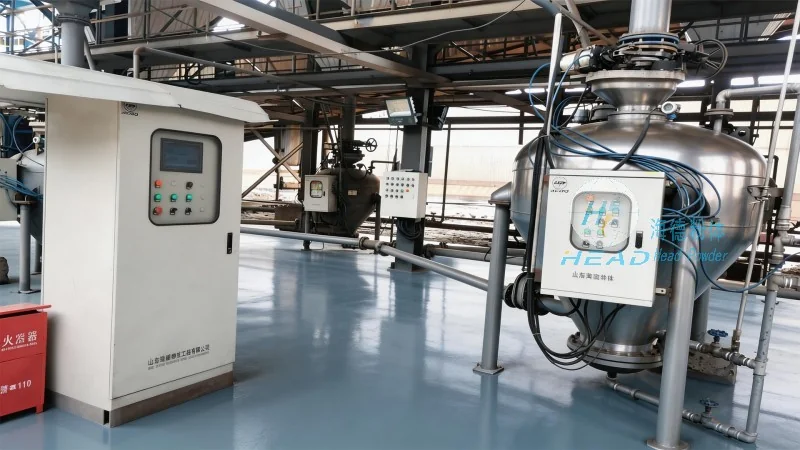
The design of a cotton fiber pneumatic conveying system is critical to its effectiveness and efficiency. Several key principles guide the engineering and configuration of these systems. First, the system must account for the physical characteristics of cotton fibers, such as their low bulk density and tendency to form agglomerates. To address this, the design often incorporates agitators or vibrators in the feeding device to break up clumps and ensure a consistent flow. Second, the system must manage the risk of static electricity, which can cause fibers to cling to equipment or create sparks. This is typically addressed through the use of anti-static materials, grounding mechanisms, or ionizers within the system. Third, the design must consider the pressure and velocity requirements to achieve the desired conveying distance and material throughput. The pressure levels are carefully calculated to maintain the fibers in suspension without causing excessive wear on the system components. Additionally, the system's layout is optimized to minimize bends and changes in direction, as sharp turns can cause fiber breakage or blockages. The separation unit is also designed with specific parameters, such as the size of the cyclones or filters, to effectively separate the fibers from the air stream and prevent clogging.
Key Components and Their Functions in Cotton Fiber Pneumatic Conveying
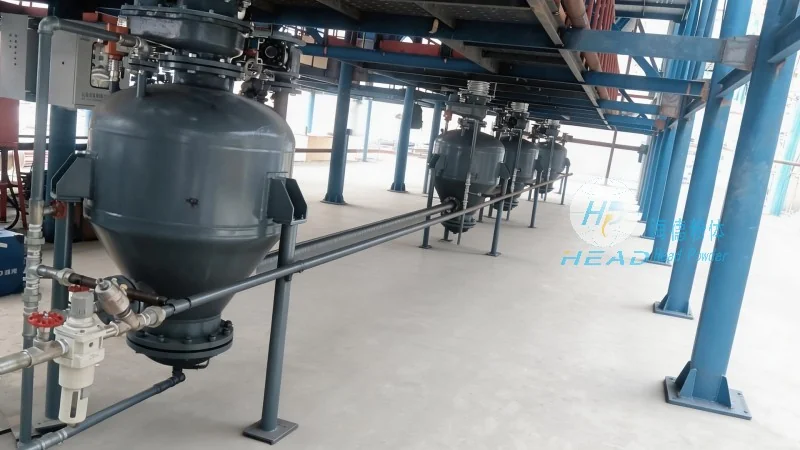
Each component of a cotton fiber pneumatic conveying system plays a vital role in the overall operation. The feeding device, often a rotary valve or a screw feeder, is responsible for introducing the cotton fibers into the system. It must be designed to handle the fibrous nature of the material, ensuring that the fibers are fed continuously without clogging. The conveying line, usually made of stainless steel or other corrosion-resistant materials, is where the fibers travel through the system. The choice of material is crucial to prevent the fibers from adhering to the pipe walls and causing blockages. The separation unit, which may include cyclones or bag filters, is responsible for separating the fibers from the air stream. This unit is designed to capture the fibers while allowing the air to be discharged or recycled. The discharge mechanism, such as a rotary valve or a hopper, collects the separated fibers and prepares them for further processing or storage. Each component is carefully selected and configured to work in harmony, ensuring the smooth and efficient operation of the entire system.
Applications and Benefits of Cotton Fiber Pneumatic Conveying
Cotton fiber material pneumatic conveying is widely used in various industries that process cotton fibers, including textile manufacturing, cotton processing plants, and agricultural processing facilities. The primary benefits of this technology include improved cleanliness, as the system is enclosed and prevents dust and fibers from escaping into the environment. This is particularly important in industries where air quality and worker safety are critical. Additionally, the system offers high efficiency in terms of material throughput, as it can transport large volumes of cotton fibers over long distances with minimal labor. The enclosed nature of the system also reduces the risk of contamination from external sources, ensuring the quality of the final product. Furthermore, the system's design allows for easy integration with other processing equipment, such as cleaning or sorting machines, creating a seamless workflow in cotton processing facilities.
Conclusion and Company Overview
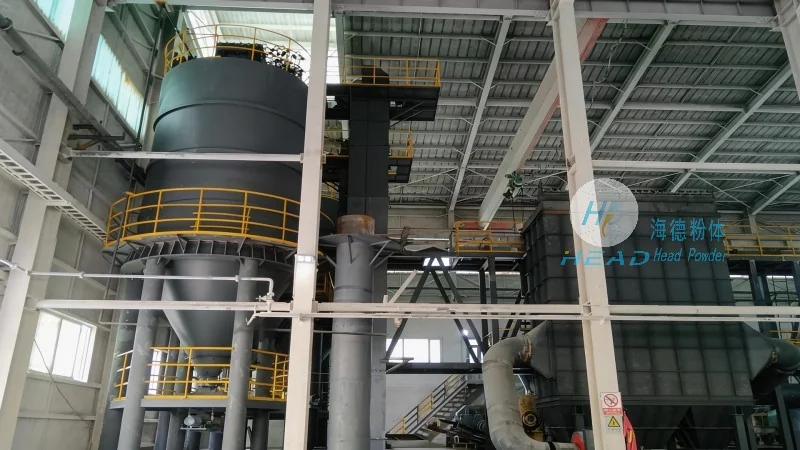
Cotton fiber material pneumatic conveying is a sophisticated and effective method for handling cotton fibers, offering numerous advantages over traditional material handling techniques. The design principles and components of these systems are carefully engineered to address the unique challenges of cotton fibers, ensuring efficient and reliable operation. As a leading provider in this field, Shandong HeadPowder Engineering Co., Ltd. specializes in designing and manufacturing customized pneumatic conveying systems tailored to the specific needs of cotton processing industries. With a focus on quality, innovation, and customer satisfaction, HeadPowder has established itself as a trusted partner for businesses seeking to optimize their cotton fiber handling processes. Based in Shandong, China, HeadPowder leverages its expertise and experience to deliver solutions that enhance productivity, improve safety, and ensure the highest quality of cotton fibers for its clients.