

What is a Camellia Seed Material Conveying Line? What Are Its Design Principles?
A camellia seed material conveying line is a specialized system engineered to efficiently transport camellia seeds and related materials through various processing stages. These lines are integral to the oil extraction and processing industry, ensuring smooth material flow from raw seed reception to subsequent processing steps. Shandong HeadPowder Engineering Co., Ltd., a leading manufacturer based in China, specializes in designing and implementing such systems to meet the diverse needs of clients in the camellia seed processing sector.
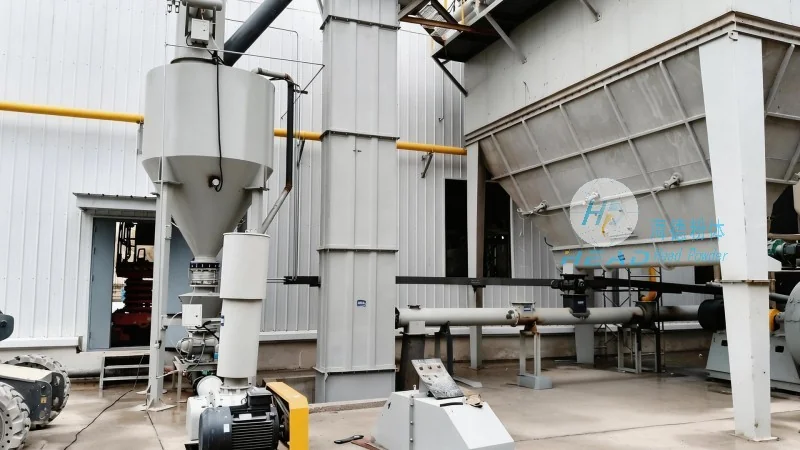
Overview of Camellia Seed Material Conveying Lines
A camellia seed material conveying line typically consists of a series of interconnected equipment designed to handle the unique characteristics of camellia seeds. These seeds are often irregular in shape, with a hard outer shell and a softer inner kernel, which requires specialized handling to prevent damage during transport. The conveying line may include components such as hoppers, feeders, conveyors (e.g., belt conveyors, screw conveyors, or pneumatic conveyors), and storage bins. Each component is strategically placed to facilitate the movement of seeds from one stage to the next without causing breakage or contamination.
Key Design Principles for Efficient Material Handling
The design of a camellia seed material conveying line is guided by several critical principles to ensure optimal performance. First, the system must accommodate the physical properties of camellia seeds, including their size, density, and moisture content. This involves selecting appropriate conveyor types and speeds to prevent material degradation. For instance, belt conveyors are commonly used for horizontal or slight incline transport due to their ability to handle bulk materials gently, while screw conveyors are suitable for vertical or inclined transport, providing consistent material flow. Pneumatic conveyors may be employed for fine or dusty materials, though they require careful consideration of air pressure and material compatibility.
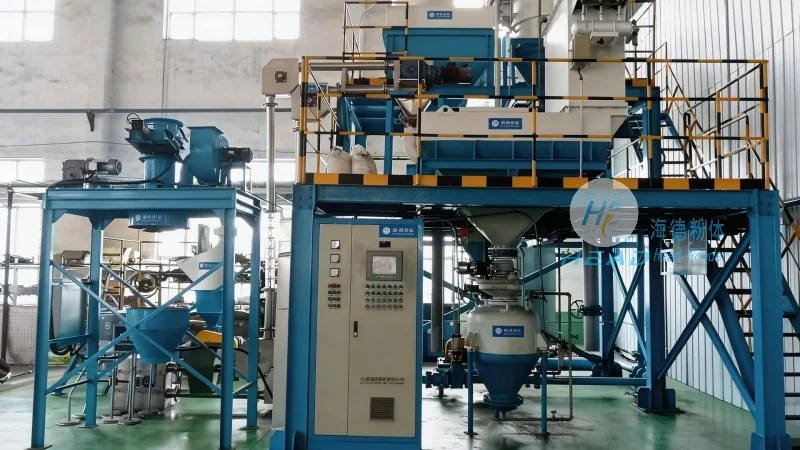
Second, the conveying line must ensure minimal material loss and contamination. This is achieved through the use of sealed systems, proper cleaning mechanisms, and material separation devices. Hoppers and feeders are designed to evenly distribute seeds into the conveyor, reducing the risk of blockages or uneven flow. Additionally, the system may incorporate sensors and control systems to monitor flow rates, detect blockages, and adjust operational parameters in real-time, enhancing reliability and reducing downtime.
Components and Their Functional Roles
Each component within a camellia seed material conveying line serves a specific function to support the overall process. Hoppers are used to store and feed raw camellia seeds into the system, providing a consistent supply of material. Feeders, such as vibratory feeders or rotary valves, regulate the flow rate of seeds into the conveyor, preventing overloading and ensuring smooth operation. Conveyors, as mentioned earlier, transport the seeds to the next processing stage, such as cleaning or crushing. Storage bins are used to hold processed seeds or intermediate products, allowing for batch processing and inventory management.
Importance of Material Flow Optimization
Efficient material flow is paramount in camellia seed processing, as it directly impacts production throughput and product quality. A well-designed conveying line minimizes the time seeds spend in transit, reducing the risk of spoilage or moisture absorption. It also ensures that seeds are delivered to subsequent processing equipment at the correct rate, preventing bottlenecks or overloading of downstream machinery. By optimizing the flow of camellia seeds, manufacturers can improve overall operational efficiency, reduce energy consumption, and maintain consistent product quality.
Customization and Adaptability
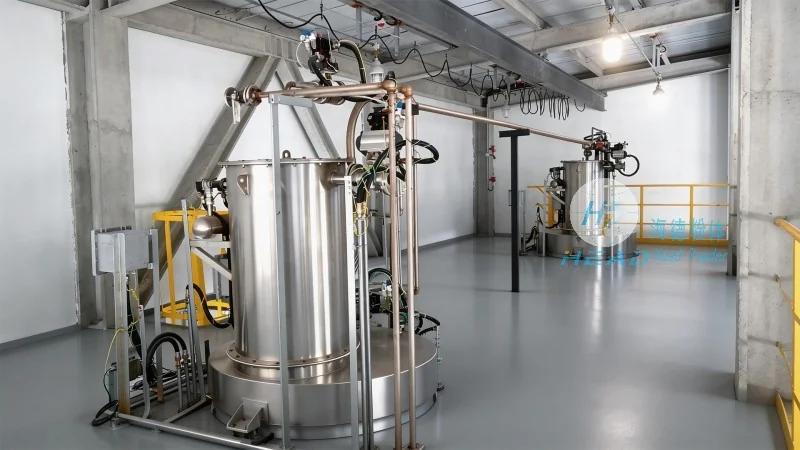
Camellia seed material conveying lines are often customized to meet the specific needs of individual processing facilities. Factors such as the scale of production, the type of processing equipment, and the desired output quality influence the design of the system. For example, a small-scale operation may use a simpler conveyor system with fewer components, while a large-scale industrial facility may require a more complex, integrated line with multiple conveyors and storage units. The flexibility of these systems allows manufacturers to adapt to changing production demands and technological advancements, ensuring long-term operational success.
Conclusion
In conclusion, a camellia seed material conveying line is a critical component of the oil extraction and processing industry, designed to efficiently transport and handle camellia seeds. The design principles, components, and optimization strategies employed in these systems are tailored to the unique characteristics of camellia seeds, ensuring minimal damage, maximum efficiency, and consistent product quality. By understanding and implementing these principles, manufacturers can enhance their operational performance and achieve sustainable growth in the market.