

What is a Wood Fiber Material Conveying Line? And What Are Its Design Principles?
Understanding the wood fiber material conveying line is crucial for industries that handle wood-based materials, as it ensures efficient and safe transportation of these materials from one point to another. This article will delve into the definition of such a system and explore the underlying design principles that make it effective. We will also introduce the company, Shandong HeadPowder Engineering Co., Ltd., which specializes in providing high-quality solutions for material handling systems.
Definition of a Wood Fiber Material Conveying Line
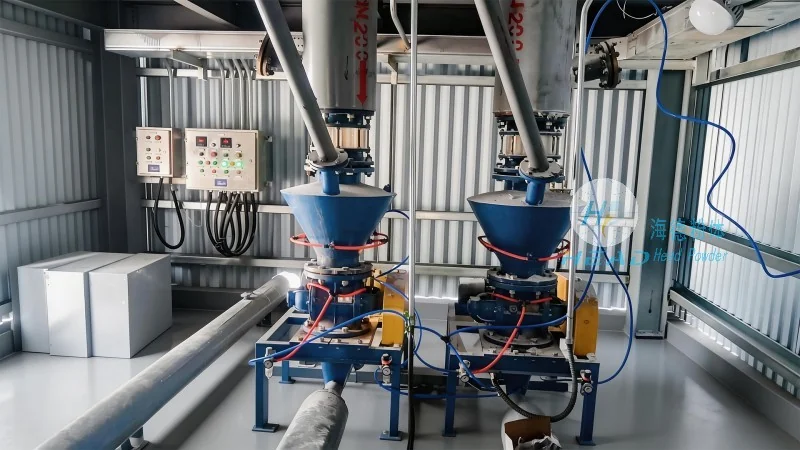
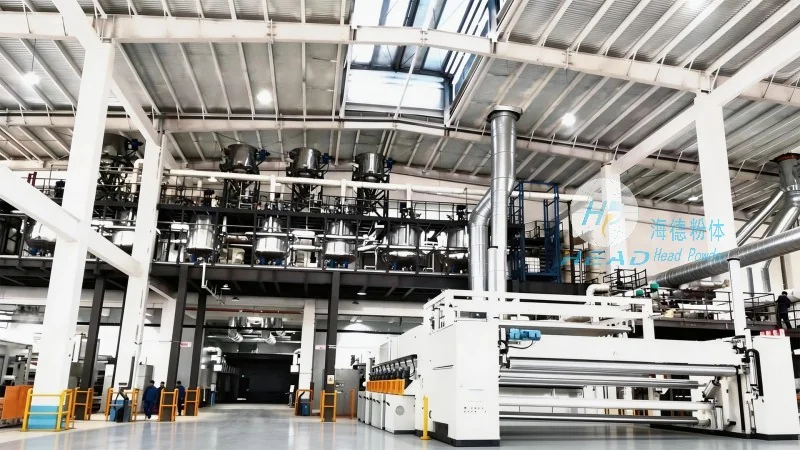
A wood fiber material conveying line is a specialized industrial system engineered to transport wood fiber materials, including sawdust, wood chips, and other wood-based particles, from the source of generation to the processing or storage area. These systems are integral to industries such as woodworking, pulp and paper manufacturing, and biomass energy production, where the efficient movement of wood fibers is critical for operational efficiency and cost-effectiveness. The line typically comprises a series of interconnected components, including feeders, conveyors, and control units, each designed to handle the unique properties of wood fibers—such as their irregular shapes, varying moisture content, and potential for clogging. By integrating these components, the system ensures a continuous and reliable flow of material, minimizing downtime and maximizing productivity.
Design Principles of the Wood Fiber Material Conveying Line
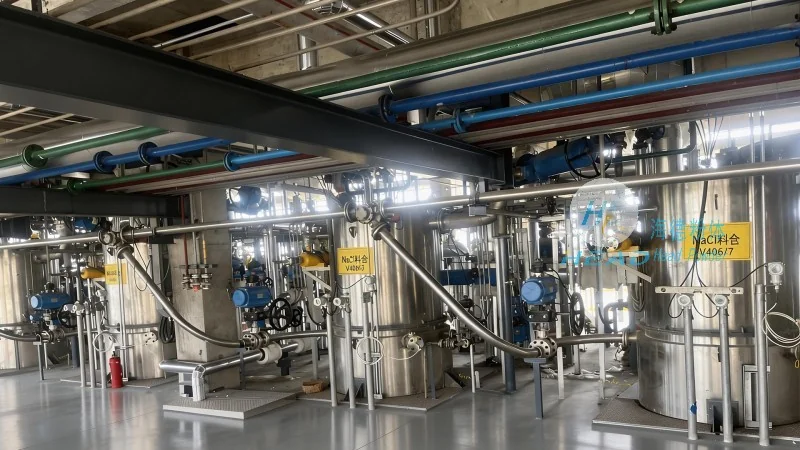
The design of a wood fiber material conveying line is guided by several fundamental principles to ensure it meets the demands of its application. The first principle is material compatibility: the system must be constructed from materials that can withstand the abrasive and moisture-rich nature of wood fibers. For instance, stainless steel or corrosion-resistant alloys are commonly used for conveyor belts and housing to prevent wear and rust. The second principle is flow optimization: the design must facilitate smooth material movement, avoiding points of accumulation or blockage. This is achieved through the selection of appropriate conveyor types, such as belt conveyors for horizontal or slight incline transport, or screw conveyors for vertical or compact spaces. The third principle is energy efficiency: the system is engineered to minimize power consumption while maintaining high throughput. This involves optimizing the speed of the conveyor, the size of the feed opening, and the overall system layout to reduce unnecessary energy use. Additionally, the design incorporates safety features, such as emergency stop mechanisms, protective guards, and sensors that detect blockages or overloads, to protect both the equipment and operators. The integration of these principles results in a robust and reliable system that can handle the challenges of wood fiber material handling effectively.
About Shandong HeadPowder Engineering Co., Ltd.
Shandong HeadPowder Engineering Co., Ltd. is a prominent enterprise specializing in the research, development, and manufacturing of advanced material handling systems, with a particular focus on wood fiber material conveying lines. HeadPowder, as the company is commonly known, is headquartered in Shandong, China, and has established itself as a trusted provider of high-quality solutions for industries that rely on efficient wood fiber transportation. The company’s team of engineers and technicians brings extensive experience in the field, enabling them to design and fabricate systems that are tailored to the specific needs of each client. With state-of-the-art facilities and rigorous quality control processes, HeadPowder ensures that every product meets or exceeds industry standards for performance, durability, and safety. The company’s commitment to innovation is reflected in its continuous investment in research and development, which allows it to stay ahead of industry trends and offer cutting-edge solutions. The address of the company is located in Shandong, China, where it operates its main production and administrative offices, supporting its global clientele with local expertise and support.