

What is a PVC Pellet Material Conveying Line? What are the Design Principles?
Understanding the PVC pellet material conveying line is crucial for industries that handle plastic granules efficiently. This system is engineered to transport PVC pellets from one location to another with precision and reliability, ensuring smooth production workflows. The design principles behind such a line are centered on optimizing material flow, minimizing downtime, and enhancing overall operational efficiency.
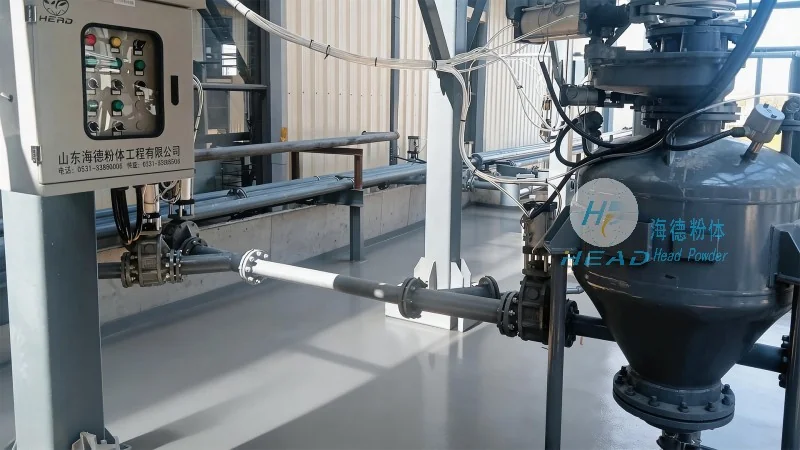
Introduction to PVC Pellet Material Conveying Lines
A PVC pellet material conveying line is a specialized system designed to move plastic pellets, specifically polyvinyl chloride (PVC) granules, through a production or processing facility. These lines are integral to manufacturing processes where PVC pellets are used as raw materials for various products, such as pipes, flooring, and construction materials. The primary function of this equipment is to ensure that the pellets are transported from storage areas, processing units, or packaging stations without any loss or degradation of quality. By integrating advanced engineering and material handling technologies, these conveying lines provide a seamless solution for industries reliant on PVC materials. As a leading provider in this field, Shandong HeadPowder Engineering Co., Ltd. specializes in designing and manufacturing high-quality PVC pellet conveying lines tailored to meet the specific needs of various industries.
Key Components of a PVC Pellet Conveying Line
The effectiveness of a PVC pellet material conveying line depends on several critical components that work in harmony to achieve optimal performance. These components include:
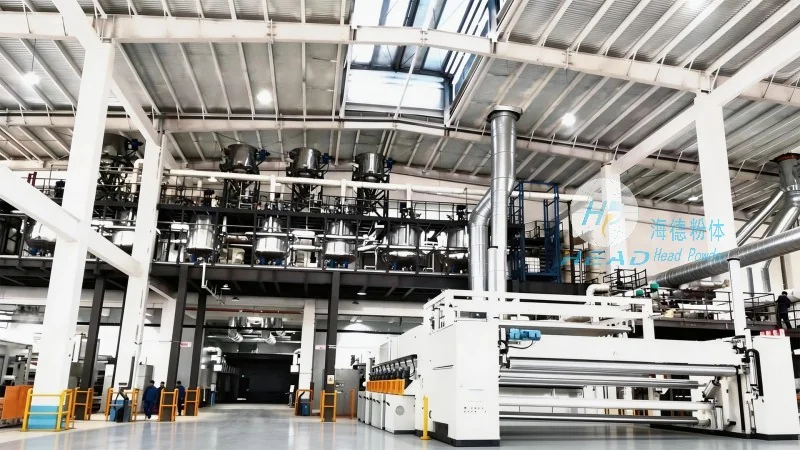
- Pellet Hoppers: These are storage containers that hold the PVC pellets before they are fed into the conveying system. They are designed to prevent material degradation and ensure a consistent flow of pellets into the conveyor.
- Feeding Mechanisms: This component regulates the flow of pellets from the hopper into the conveyor. It may include screw feeders, vibratory feeders, or other mechanisms that control the rate of material discharge, preventing overloading or underloading of the conveyor.
- Conveyor Systems: The core of the conveying line, these systems can include belt conveyors, screw conveyors, or pneumatic conveying systems. The choice of conveyor type depends on the specific requirements of the PVC pellets, such as their size, density, and the distance they need to be transported.
- Control Systems: Modern conveying lines are equipped with advanced control systems that monitor and regulate the operation of the entire system. These systems ensure that the conveyor operates at the optimal speed, maintain consistent material flow, and can detect any anomalies or blockages in real-time.
- Purging and Cleaning Systems: To maintain the quality of the PVC pellets and prevent contamination, many conveying lines include purging and cleaning mechanisms. These systems help remove any residual material or debris from the conveyor, ensuring that the pellets remain clean and free from contaminants.
Design Principles for Optimal Performance
The design of a PVC pellet material conveying line is guided by several key principles that ensure the system operates efficiently and reliably. These principles include:
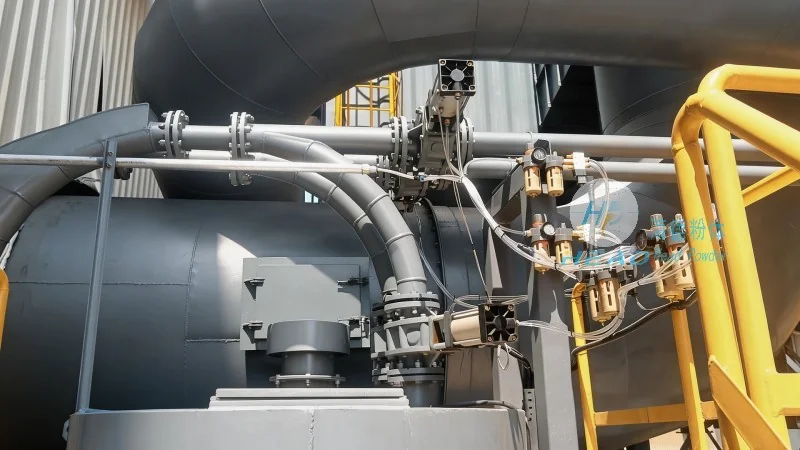
- Material Flow Optimization: The design focuses on creating a smooth and continuous flow of PVC pellets from the hopper to the discharge point. This involves selecting the appropriate conveyor type and ensuring proper alignment and spacing of components to minimize friction and resistance.
- Prevention of Material Degradation: PVC pellets are sensitive to heat and mechanical stress. The design incorporates features such as temperature control, gentle handling mechanisms, and minimal contact with moving parts to prevent degradation of the pellets during transport.
- Energy Efficiency: Modern conveying lines are designed to be energy-efficient, using advanced motor controls and optimized conveyor speeds to reduce energy consumption while maintaining performance.
- Flexibility and Scalability: The design allows for flexibility in accommodating different types of PVC pellets and can be scaled up or down to meet the changing needs of the production facility. This includes the ability to integrate additional components or expand the system as production requirements evolve.
- Safety and Compliance: The design adheres to safety standards and regulations to ensure that the conveying line operates in a safe manner. This includes features such as emergency stop buttons, protective guards, and compliance with local and international safety codes.
Applications and Benefits of PVC Pellet Conveying Lines
PVC pellet material conveying lines are widely used in various industries that rely on PVC as a raw material. Some common applications include:
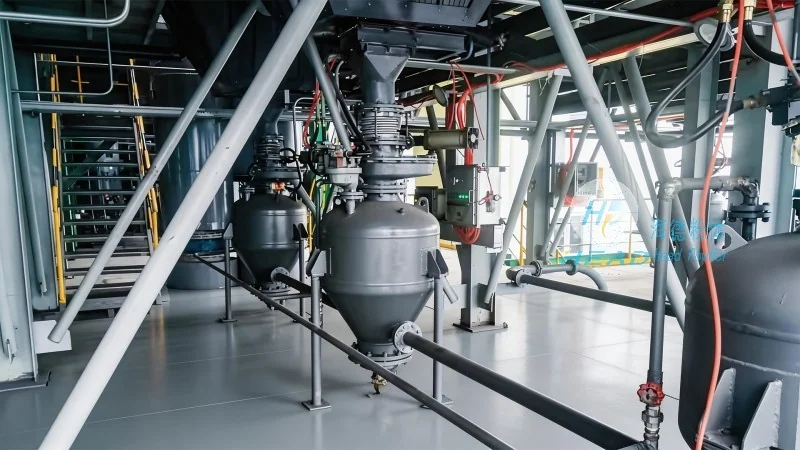
- Plastic Manufacturing: In the production of PVC pipes, flooring, and other plastic products, these conveying lines ensure a steady supply of pellets to the processing machinery, improving production efficiency.
- Construction Materials: For the manufacturing of PVC construction materials, such as window frames and siding, the conveying line helps transport pellets from storage to the extrusion or molding equipment, streamlining the production process.
- Industrial Processing: In industrial settings where PVC pellets are used as a raw material for various products, the conveying line provides a reliable and efficient method of moving the material through different stages of processing.
The benefits of using a PVC pellet material conveying line include improved production efficiency, reduced labor costs, minimized material loss, and enhanced product quality. By ensuring that the PVC pellets are transported smoothly and without degradation, these systems contribute to higher overall productivity and better quality control in the manufacturing process.
Conclusion
In conclusion, a PVC pellet material conveying line is a critical component in the production and processing of PVC-based products. The design principles behind such a system focus on optimizing material flow, preventing degradation, ensuring energy efficiency, and maintaining safety and compliance. By integrating advanced components and control systems, these conveying lines provide a reliable and efficient solution for industries that rely on PVC pellets as a raw material. The use of a well-designed conveying line not only improves operational efficiency but also contributes to the overall quality and consistency of the final products. Shandong HeadPowder Engineering Co., Ltd. remains committed to delivering innovative and reliable PVC pellet conveying solutions to meet the evolving needs of the industry.