

Pneumatic Conveying Systems Effectively Solve the Challenges of Camellia Seed Transportation
Camellia seeds, a key raw material in the production of oil and other derivatives, present unique challenges during the transportation process due to their size, density, and the need for gentle handling to preserve quality. Traditional methods such as manual handling or mechanical conveyors often fall short in meeting the demands of modern processing facilities, leading to inefficiencies, increased labor costs, and potential product damage. This is where pneumatic conveying systems emerge as a highly effective solution, designed specifically to address these challenges and optimize the flow of camellia seeds from collection to processing stages.
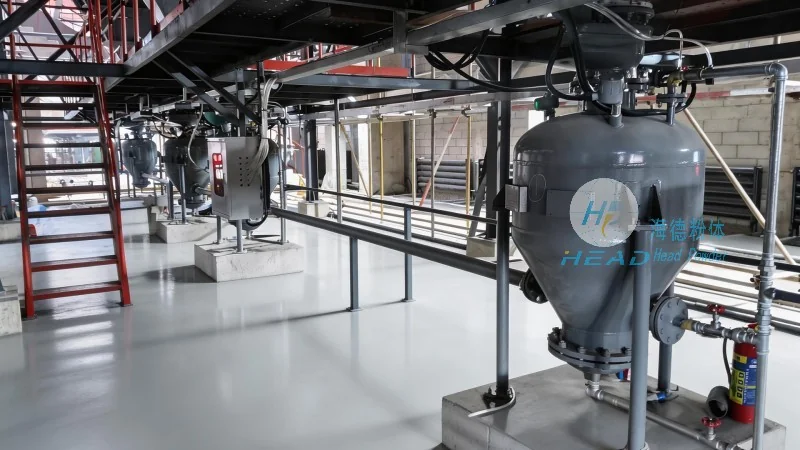
Advantages of Pneumatic Conveying for Camellia Seeds
HeadPowder, a leading provider of industrial conveying solutions, specializes in designing and implementing pneumatic conveying systems tailored to the specific requirements of camellia seed handling. The company's expertise lies in understanding the unique characteristics of camellia seeds, including their moisture content, oil content, and physical properties, to develop systems that ensure minimal product degradation and maximum efficiency. Key advantages of using pneumatic conveying for camellia seeds include:
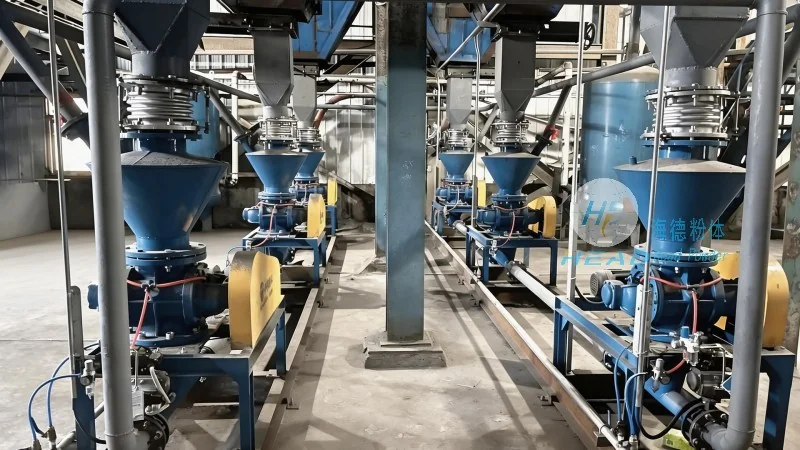
- Reduced product breakage and damage, which is critical for maintaining the quality of seeds used in oil extraction and other applications.
- Improved flow control and uniformity, allowing for consistent processing speeds and reduced downtime.
- Enhanced hygiene and sanitation, as enclosed systems prevent contamination and simplify cleaning processes.
- Energy efficiency and lower operational costs compared to traditional mechanical conveyors, particularly in long-distance or complex layouts.
How Pneumatic Conveying Systems Work for Camellia Seeds
Pneumatic conveying systems operate by using air pressure to move materials through a network of pipes. For camellia seeds, these systems typically employ a combination of positive and negative pressure methods to transport the seeds from storage bins, hoppers, or collection points to processing equipment such as oil presses or storage silos. The system consists of several key components, including a hopper or feeder to control the flow of seeds, a conveyor line with appropriate fittings and valves, and a receiver or storage tank at the destination. The air is introduced through a blower or compressor, creating a flow that carries the seeds along the pipe, ensuring a smooth and continuous transfer.
Customized Solutions from Shandong HeadPowder Engineering Co., Ltd.
Shandong HeadPowder Engineering Co., Ltd., based in Shandong, China, offers comprehensive pneumatic conveying solutions for camellia seed transportation. The company's team of engineers and technicians work closely with clients to assess their specific needs, including the volume of seeds to be handled, the distance of transport, and the required processing speed. By leveraging advanced design software and years of industry experience, HeadPowder develops customized systems that meet the exact specifications of each project. Whether a client requires a simple, low-volume system or a complex, high-capacity solution for large-scale processing facilities, the company provides tailored designs that optimize performance and minimize operational costs.
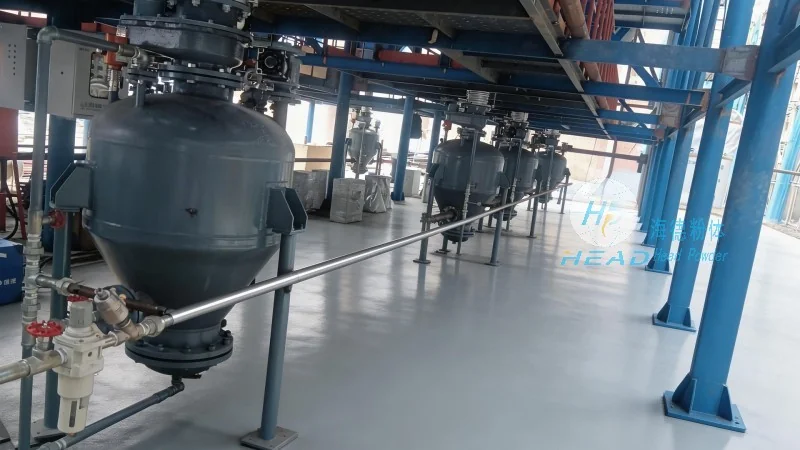
Ensuring Quality and Reliability in Camellia Seed Handling
For processing facilities that rely on consistent and high-quality camellia seeds, the reliability of the conveying system is paramount. HeadPowder's pneumatic conveying systems are built with durable materials and components that can withstand the demands of continuous operation, ensuring long-term performance and minimal maintenance. The company also provides comprehensive support services, including installation, commissioning, and ongoing maintenance, to ensure that clients can rely on their systems for years to come. By choosing a pneumatic conveying system from HeadPowder, processing facilities can enhance their operational efficiency, reduce product loss, and maintain the quality of their camellia seeds throughout the transportation process.