When it comes to transporting cement additives, choosing the right conveying method is crucial for efficiency, safety, and overall operational performance in cement production facilities. Cement additives, such as limestone, gypsum, or fly ash, are essential components that influence the final quality and properties of cement. The way these additives are moved from storage to processing areas can significantly impact production speed, material handling costs, and environmental compliance. In this context, HeadPowder, a leading provider of material handling solutions, offers advanced pneumatic conveying systems tailored for cement additive transport. This article explores the various methods of cement additive conveying and highlights the benefits of using HeadPowder's specialized pneumatic conveying technology.
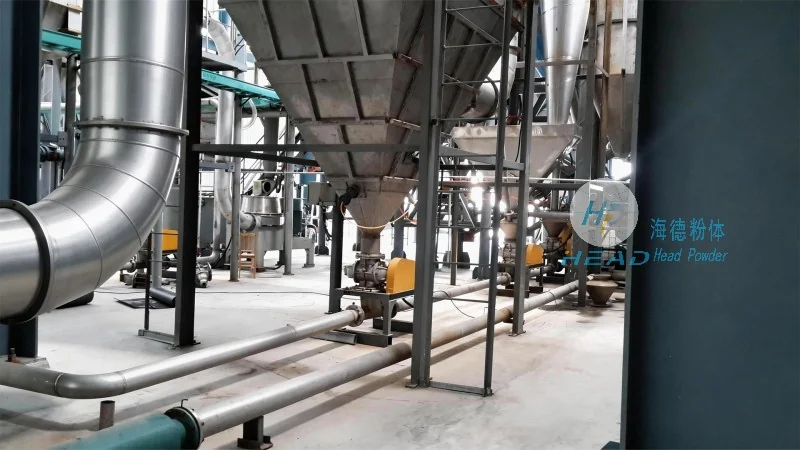
HeadPowder's Pneumatic Conveying Solutions for Cement Additives
HeadPowder specializes in designing and manufacturing pneumatic conveying systems that efficiently handle cement additives. These systems are engineered to meet the unique demands of the cement industry, ensuring reliable and consistent material transport. The company's solutions are built on decades of experience in material handling, with a focus on durability, low maintenance, and energy efficiency. By leveraging pneumatic conveying, HeadPowder helps cement manufacturers streamline their additive handling processes, reducing downtime and improving overall productivity.
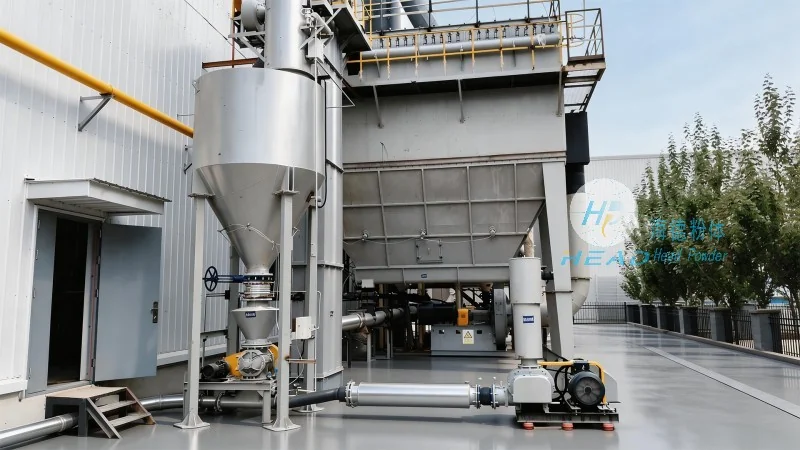
Key Features of the Pneumatic Conveying System
HeadPowder's cement additive pneumatic conveying systems are equipped with several key features that set them apart from traditional conveying methods. First, the system uses a combination of positive and negative pressure to move materials, allowing for both bulk and fine powder transport. This flexibility makes it suitable for a wide range of cement additives, including limestone, gypsum, and fly ash. Second, the equipment is designed with high-quality materials, such as stainless steel and corrosion-resistant components, to withstand the harsh conditions of cement production environments. This ensures long-term reliability and minimal maintenance requirements. Third, the system incorporates advanced control systems that monitor pressure, flow, and temperature in real-time, providing operators with immediate feedback and enabling proactive maintenance. Additionally, the conveying lines are equipped with dust collection and filtration systems, which help maintain a clean and safe working environment by preventing dust emissions and ensuring compliance with environmental regulations.
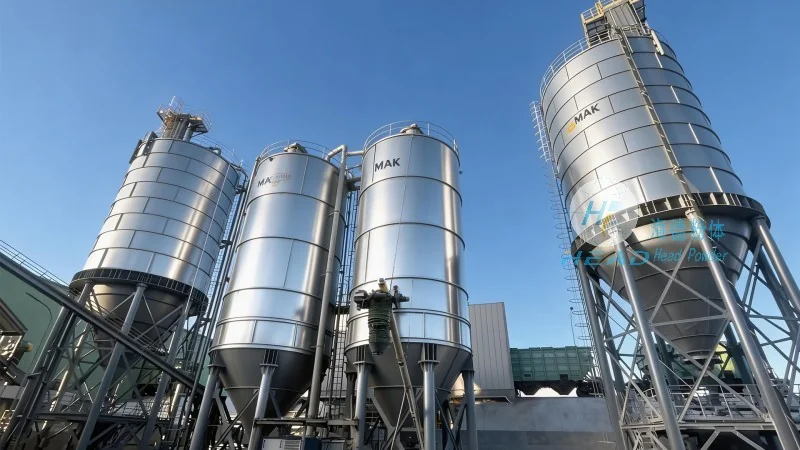
How the System Works
The pneumatic conveying system operates by using air to transport cement additives through a network of pipes. The process typically begins with the material being loaded into a hopper or silo. From there, the material is drawn into the conveying line using a rotary valve or feeder. The air, which is either supplied by a blower or generated by a vacuum pump, creates a flow that moves the material through the pipes. The system can operate in either positive pressure or negative pressure mode, depending on the specific requirements of the application. In positive pressure mode, air is forced through the system, pushing the material forward. In negative pressure mode, a vacuum is created, pulling the material into the system. The choice between these modes depends on factors such as the distance to be covered, the material's properties, and the need to minimize dust emissions. The system is designed to handle both dry and wet additives, with options for moisture control and material conditioning to ensure optimal performance.
Benefits for Cement Manufacturing
Implementing HeadPowder's pneumatic conveying system for cement additives offers several significant benefits for cement manufacturers. First, the system improves operational efficiency by reducing the time and labor required for material handling. Automated conveying eliminates the need for manual loading and unloading, which can be time-consuming and prone to errors. This leads to faster production cycles and increased output. Second, the system enhances safety by minimizing human exposure to dust and hazardous materials. The enclosed conveying lines and dust collection systems reduce the risk of respiratory issues and other health hazards associated with handling powders. Third, the system improves product quality by ensuring consistent material flow and preventing contamination. This is particularly important for cement additives, as even small variations in composition can affect the final properties of the cement. Fourth, the system reduces operational costs by lowering energy consumption and maintenance expenses. The energy-efficient design of the system, combined with durable components, results in lower long-term costs compared to traditional conveying methods. Additionally, the system's compact design allows for easy integration into existing production lines, minimizing the need for major infrastructure changes.
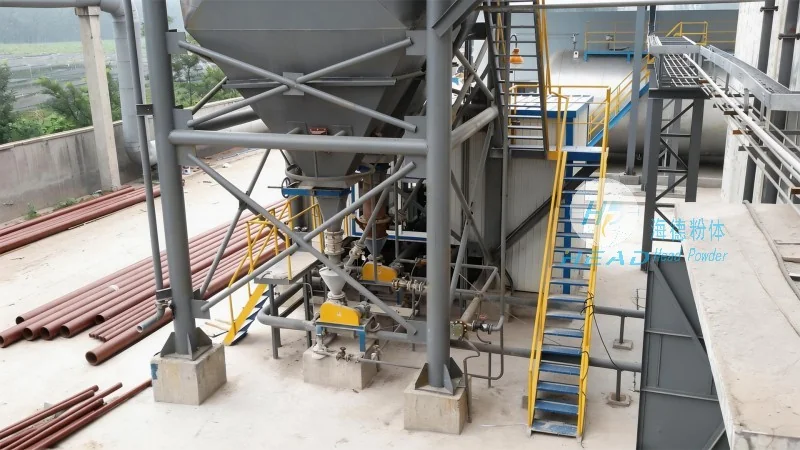
About Shandong HeadPowder Engineering Co., Ltd.
HeadPowder, or Shandong HeadPowder Engineering Co., Ltd., is a leading manufacturer of material handling equipment based in China. The company has been in operation for over 20 years, serving the cement, mining, and chemical industries with high-quality conveying solutions. HeadPowder's commitment to innovation and customer satisfaction has made it a trusted partner for many leading manufacturers worldwide. The company's headquarters is located in Shandong, China, where it maintains a state-of-the-art research and development facility. This facility allows HeadPowder to continuously improve its products and develop new technologies to meet the evolving needs of the industry. The company's team of engineers and technicians work closely with clients to understand their specific requirements and provide customized solutions that deliver optimal performance and value. With a focus on quality, reliability, and customer service, HeadPowder is dedicated to helping its clients achieve their production goals while maintaining safety and environmental compliance.




