Protein powder is a critical component in the food and beverage industry, used in various applications such as sports nutrition, infant formula, and dietary supplements. The efficient and safe transportation of protein powder from production to packaging is essential for maintaining product quality and operational efficiency. This article explores the principle and operation of a pneumatic conveying system specifically designed for protein powder, highlighting its key components, working mechanism, and advantages in industrial applications.
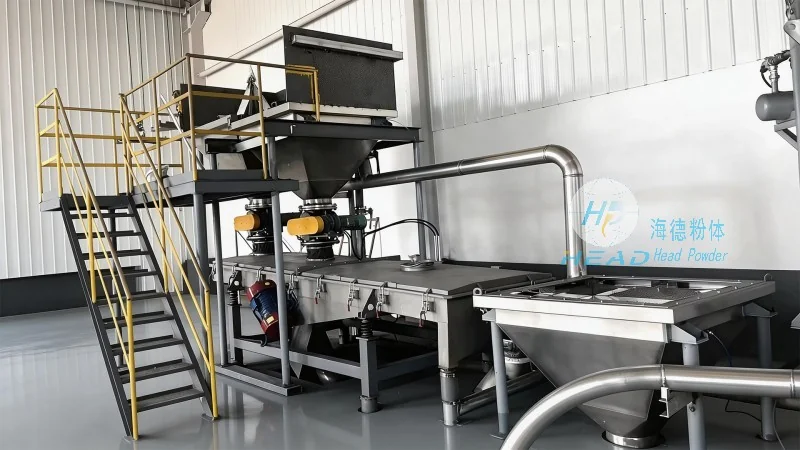
Overview of Pneumatic Conveying Systems for Protein Powder
HeadPowder, a leading engineering company based in Shandong, China, specializes in the design and manufacturing of advanced pneumatic conveying systems tailored for the protein powder industry. The company's expertise lies in developing solutions that ensure the integrity of protein powders while optimizing the conveying process. Pneumatic conveying systems use air or other gases to transport bulk materials like protein powder through a pipeline network. For protein powders, which are often sensitive to moisture, temperature, and contamination, the system design must prioritize gentle handling and minimal product degradation.
Key Components of the Protein Powder Pneumatic Conveying System
The protein powder pneumatic conveying system consists of several critical components that work in tandem to achieve efficient material transport. The primary components include a material hopper, a rotary airlock feeder, a positive displacement blower or compressor, a pipeline system, and a receiving hopper or silo. Each component plays a vital role in the overall operation:
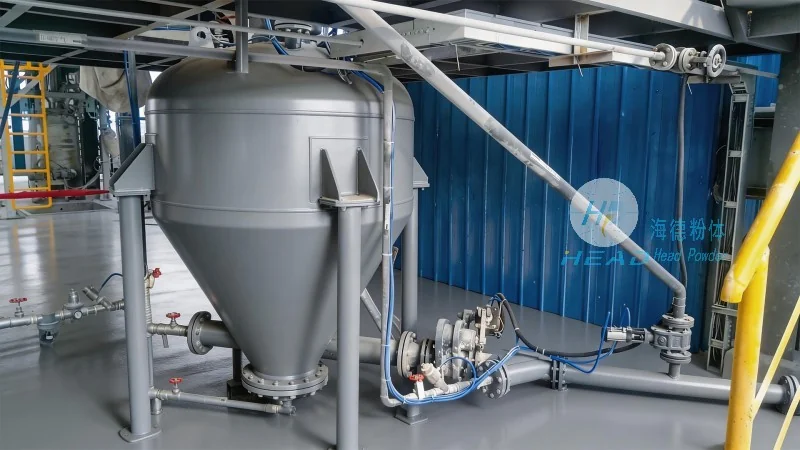
- Material Hopper: The hopper is the storage vessel where raw protein powder is loaded. It is designed with a smooth interior to prevent material buildup and ensure consistent flow. The hopper is equipped with a lid to protect the powder from moisture and contaminants.
- Rotary Airlock Feeder: This component is responsible for feeding the protein powder into the pipeline at a controlled rate. The rotary airlock uses a rotating valve to meter the material, preventing backflow and maintaining a steady flow of powder into the conveying line.
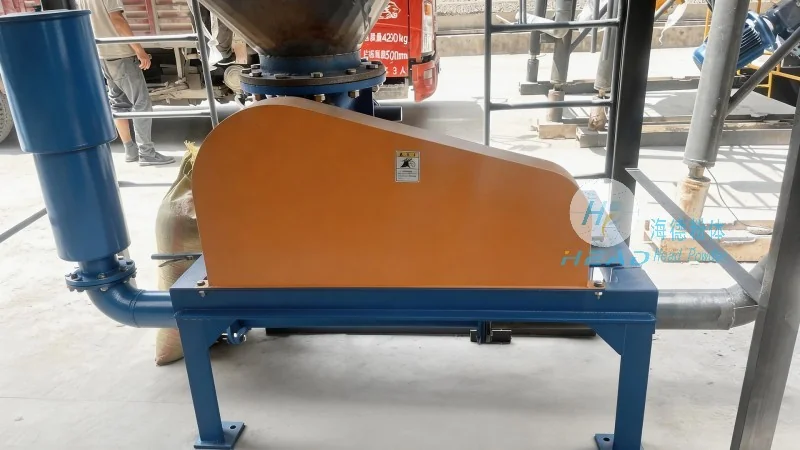
- Positive Displacement Blower/Compressor: The blower or compressor generates the necessary air pressure to move the protein powder through the pipeline. For protein powders, a positive displacement blower is often preferred as it provides consistent airflow and pressure, minimizing fluctuations that could affect material transport.
- Pipeline System: The pipeline is typically made of stainless steel or other corrosion-resistant materials to ensure compatibility with protein powders and to prevent contamination. The pipeline is designed with appropriate bends and fittings to maintain the flow of powder without causing excessive pressure drops or product degradation.
- Receiving Hopper/Silo: The receiving hopper collects the protein powder at the end of the conveying line. It is equipped with a discharge valve to allow the powder to be transferred to the next stage of processing or packaging. The hopper is also designed to minimize dust generation and maintain product quality.
Working Principle of the Pneumatic Conveying System
The operation of the protein powder pneumatic conveying system follows a sequential process. Initially, the protein powder is loaded into the material hopper. The rotary airlock feeder then meters the powder into the pipeline at a controlled rate. Simultaneously, the positive displacement blower generates a high-pressure air stream that propels the powder particles through the pipeline. As the powder moves through the pipeline, it is suspended in the air stream, forming a dense phase or dilute phase flow depending on the system design. The receiving hopper collects the conveyed powder, completing the transport process.
The system operates under either positive pressure or negative pressure (suction) depending on the application requirements. Positive pressure systems are commonly used for long-distance or high-capacity conveying, as they provide consistent airflow and pressure. Negative pressure systems are often used for short-distance conveying or when the material needs to be transported from a lower to a higher elevation. The choice of system type depends on factors such as the distance between the source and destination, the material properties, and the required throughput.
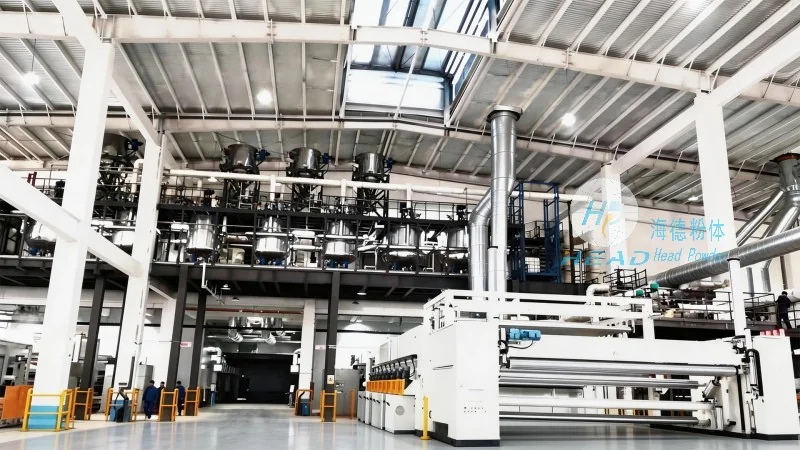
Advantages of Pneumatic Conveying for Protein Powder
Compared to traditional mechanical conveying methods, pneumatic conveying offers several advantages for protein powder transportation. First, it provides a closed system that prevents contamination from external sources, ensuring the purity of the protein powder. Second, the system is gentle on the powder, minimizing particle breakage and degradation, which is crucial for maintaining the nutritional quality of the product. Third, pneumatic conveying allows for flexible system design, enabling the integration of multiple conveying lines and storage facilities. Fourth, the system can be easily automated, reducing labor costs and improving operational efficiency. Additionally, the closed pipeline reduces dust emissions, contributing to a cleaner and safer working environment.
Application Examples in the Protein Powder Industry
HeadPowder's pneumatic conveying systems are widely used in various stages of the protein powder production process. For example, in a protein powder manufacturing plant, the system can be used to transport raw protein powder from the storage silo to the mixing and blending equipment. It can also be used to move the blended powder from the mixing tank to the packaging line, ensuring a continuous and efficient production flow. In addition, the system can be integrated with other processing equipment, such as drying or milling machines, to create a seamless material handling process.
Another application is in the transportation of protein powder from the production facility to the warehouse or distribution center. The pneumatic conveying system allows for the safe and efficient transfer of large quantities of powder over long distances, reducing the need for manual handling and minimizing the risk of product spillage or contamination. This is particularly important for companies that need to maintain high standards of product quality and safety, such as those supplying to the food and pharmaceutical industries.
Conclusion
The protein powder pneumatic conveying system is a sophisticated and efficient solution for transporting protein powders in industrial settings. By leveraging the principles of pneumatic conveying, companies like Shandong HeadPowder Engineering Co., Ltd. can ensure the integrity and quality of their protein products while optimizing operational efficiency. The system's components, working mechanism, and advantages make it an ideal choice for protein powder manufacturers seeking reliable and cost-effective material handling solutions. With continuous advancements in technology, pneumatic conveying systems are expected to play an increasingly important role in the future of the protein powder industry, supporting the growth and development of this vital sector.




