

Principle of Hydrogen Chloride Pneumatic Conveying System
Hydrogen chloride (HCl) is a highly corrosive and toxic gas commonly used in industrial processes such as chemical manufacturing, pharmaceutical production, and metal treatment. The safe and efficient transportation of HCl from production sites to processing units is critical for operational safety and regulatory compliance. Pneumatic conveying systems offer a reliable method for handling HCl, leveraging the principles of fluid dynamics to transport the gas and its associated particles. This article explores the fundamental principles underlying hydrogen chloride pneumatic conveying systems, detailing the key components, operational mechanisms, and considerations for effective implementation.
Introduction to Hydrogen Chloride Pneumatic Conveying Systems
Pneumatic conveying systems are widely utilized in industries dealing with hazardous or difficult-to-handle materials due to their ability to transport materials in a closed system, minimizing exposure risks. For hydrogen chloride, which is a gas at standard temperature and pressure but can be generated as a vapor or dissolved in liquids, pneumatic conveying ensures that the material is moved without direct human contact, reducing the risk of inhalation or skin exposure. The system typically involves a source of compressed air or gas, a conveying line, and a receiver where the HCl is deposited. The design of the system must account for the corrosive nature of HCl, requiring materials such as stainless steel, PTFE, or specialized coatings to prevent degradation.
Core Principles of Pneumatic Conveying
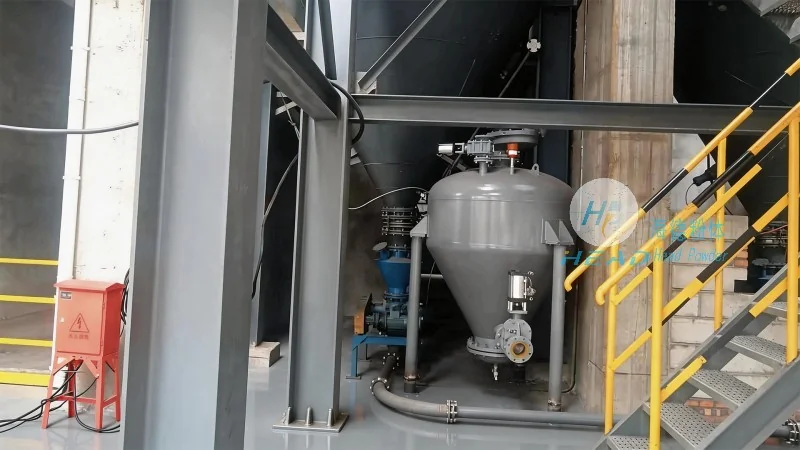
The fundamental principle of pneumatic conveying is the use of a moving gas stream to transport solid particles or liquid droplets. In the case of hydrogen chloride, the gas is often the HCl itself, which is compressed and directed through a pipeline. The velocity of the gas stream must be sufficient to overcome the gravitational force acting on the particles and to maintain the particles in suspension. This is achieved by maintaining a certain velocity above the "minimum conveying velocity" for the specific particle size and density of the HCl. The system may operate in either dilute-phase or dense-phase modes, depending on the required flow rate and material characteristics. Dilute-phase systems use higher velocities and lower pressure drops, while dense-phase systems use lower velocities and higher pressure to ensure the material moves in a plug flow, reducing particle degradation.
System Components and Operation
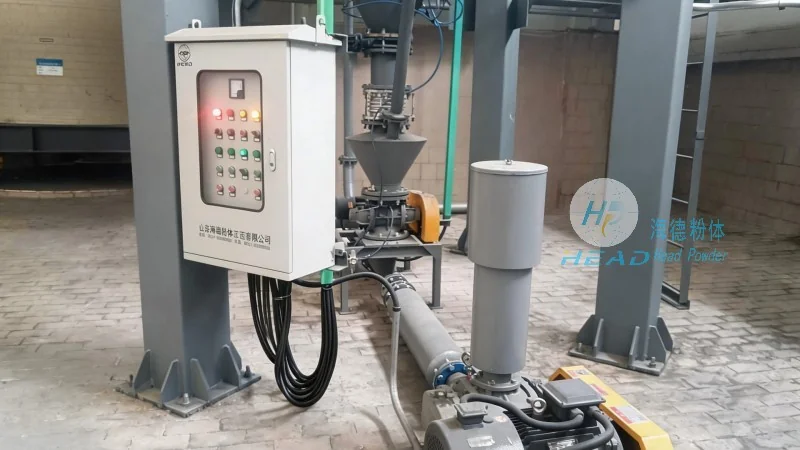
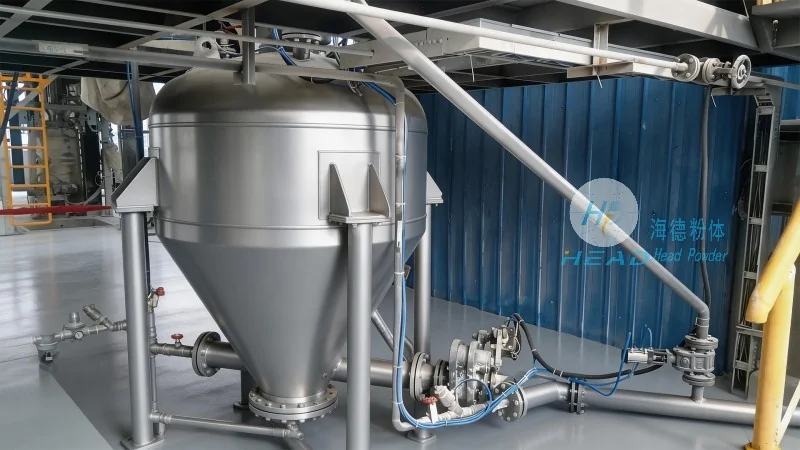
A typical hydrogen chloride pneumatic conveying system consists of several key components. The primary components include a compressor or blower to generate the necessary air or gas pressure, a feed hopper or pump to introduce the HCl into the conveying line, a conveying pipe network with appropriate fittings and valves, and a receiver or discharge hopper where the HCl is collected. The compressor must be capable of handling the corrosive nature of HCl, often equipped with special seals and materials to prevent leakage. The feed mechanism may involve a rotary valve or a pump to ensure a consistent flow of HCl into the system. The conveying line is usually made of stainless steel or other corrosion-resistant materials, with internal surfaces treated to minimize friction and particle buildup. The receiver is designed to safely contain the HCl, with proper venting and pressure relief systems to prevent overpressure.
Safety and Environmental Considerations
Handling hydrogen chloride requires stringent safety measures due to its toxic and corrosive properties. Pneumatic conveying systems are designed with multiple safety features to mitigate risks. These include closed system operation to prevent HCl from escaping into the environment, proper ventilation and exhaust systems to remove any leaks, and emergency shutdown mechanisms that can quickly stop the flow of HCl in case of an incident. Personnel operating the system must be equipped with appropriate personal protective equipment (PPE), including respirators, gloves, and protective clothing. Regular maintenance and inspection of the system are critical to ensure that all components are functioning correctly and that there are no leaks or corrosion that could compromise safety. Environmental regulations also require that the system be designed to minimize emissions and that any waste products be properly treated before disposal.
Company Overview: Shandong HeadPowder Engineering Co., Ltd.
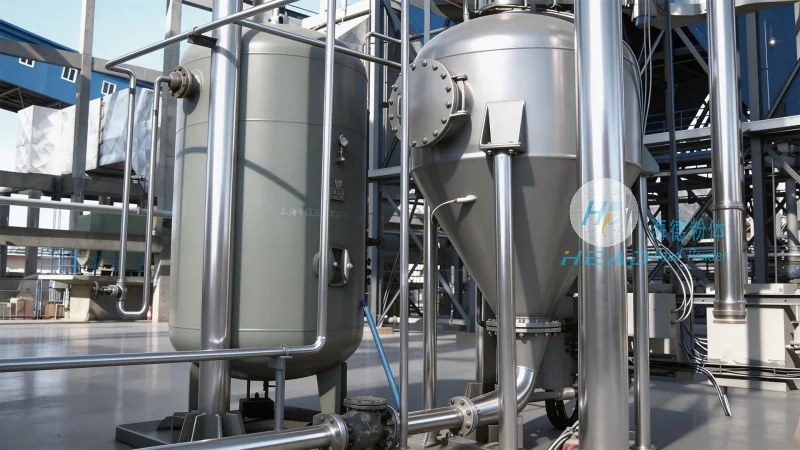
Shandong HeadPowder Engineering Co., Ltd., commonly known as HeadPowder, is a leading provider of engineering solutions for chemical processing and material handling systems. With a focus on innovation and safety, HeadPowder specializes in the design, manufacturing, and installation of pneumatic conveying systems for hazardous materials, including hydrogen chloride. The company's expertise lies in developing customized solutions that meet the specific requirements of clients, ensuring that the systems are efficient, reliable, and compliant with industry standards and regulations. HeadPowder's team of engineers and technicians work closely with clients to understand their operational needs and provide tailored solutions that enhance productivity while maintaining the highest safety standards. The company's facilities in Shandong, China, are equipped with advanced technology and quality control measures to ensure that all products meet the stringent requirements of the chemical industry.