HeadPowder, a leading engineering firm based in Shandong, China, specializes in the design and implementation of advanced pneumatic conveying systems tailored for diverse industrial applications. This article delves into the specifics of rice grain pneumatic conveying, exploring its classification, operational principles, and practical applications within the food processing and material handling sectors.
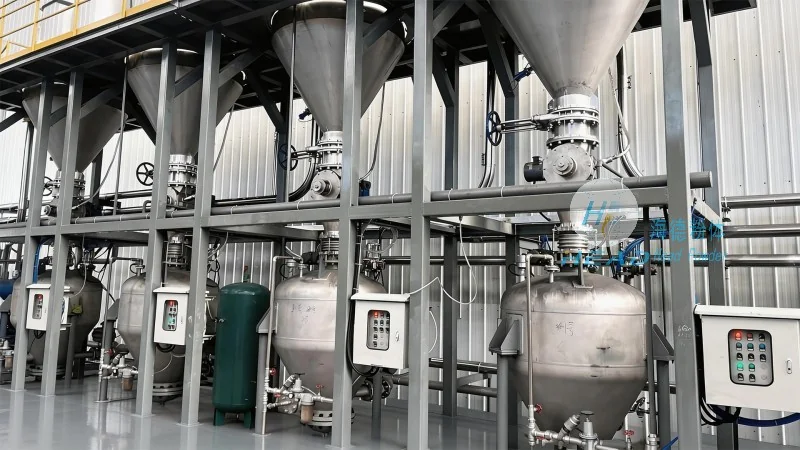
Pneumatic Conveying: An Overview
Pneumatic conveying is a method of transporting bulk materials, such as powders, granules, and small particles, using a stream of air or gas. Unlike traditional mechanical systems like conveyors or elevators, this technology relies on the force of air to move materials through a pipeline. The process involves creating a pressure differential or using a vacuum to draw materials into the system, where they are then propelled to the desired destination. This approach offers several advantages, including flexibility in system layout, reduced maintenance compared to mechanical systems, and the ability to handle materials that are sensitive to contamination or degradation.
Rice Grain Pneumatic Conveying: Key Characteristics
When applied to rice grain, pneumatic conveying systems must address unique challenges associated with the material's properties. Rice grains are typically lightweight, have a relatively high moisture content, and can be prone to breakage or dust generation during handling. Therefore, the design of rice grain pneumatic conveying systems requires careful consideration of factors such as particle size, flow rate, and air velocity to ensure efficient and gentle transport. The system must also maintain hygiene standards, as rice is a food product that requires strict control over contamination risks.
Classification of Pneumatic Conveying Systems
Pneumatic conveying systems are broadly classified into two main categories: vacuum (or suction) systems and pressure (or positive pressure) systems. Each type has distinct characteristics and is suited to different operational requirements.
Vacuum Pneumatic Conveying Systems
Vacuum systems operate by creating a negative pressure (or vacuum) at the material inlet, which draws the material into the pipeline. This method is ideal for applications where the material source is at a higher elevation than the destination, or when the system needs to collect materials from multiple points. The primary advantage of vacuum systems is their ability to handle materials over long distances with minimal pressure drop. However, they are generally less efficient for transporting materials against gravity and may require larger air volumes to maintain consistent flow rates.
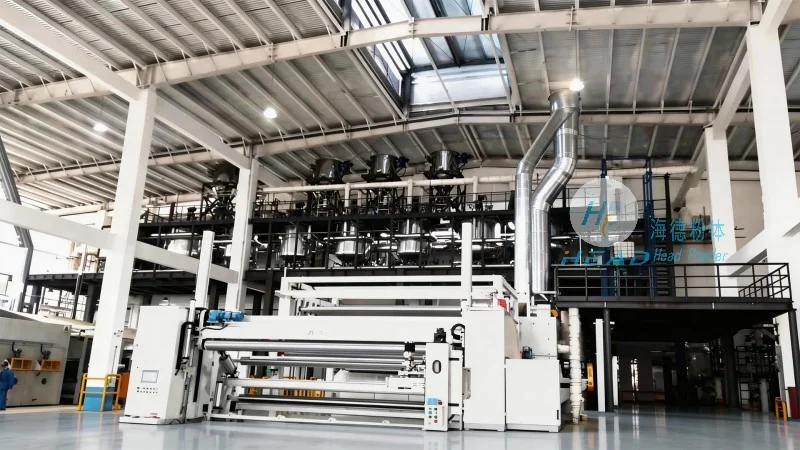
Pressure Pneumatic Conveying Systems
Pressure systems, conversely, use positive pressure to push materials through the pipeline. The material is fed into the system at a higher pressure, typically generated by a blower or compressor, and is then propelled to the destination. This approach is well-suited for applications where the material needs to be transported against gravity or over significant vertical distances. Pressure systems are often more efficient for short to medium distances and can handle higher material loads compared to vacuum systems. They are commonly used in industrial settings where the material source is at a lower elevation than the destination.
Applications of Rice Grain Pneumatic Conveying
The versatility of pneumatic conveying makes it an essential technology in the rice processing industry. Several key applications include:
1. Milling and Processing Facilities
In rice mills, pneumatic conveying systems are used to transport raw rice from storage silos to processing equipment, such as hullers, polishers, and graders. The gentle handling of rice grains minimizes breakage and ensures that the final product maintains its quality and nutritional value. The system can also be integrated with cleaning and sorting processes, allowing for efficient material flow throughout the facility.
2. Storage and Distribution
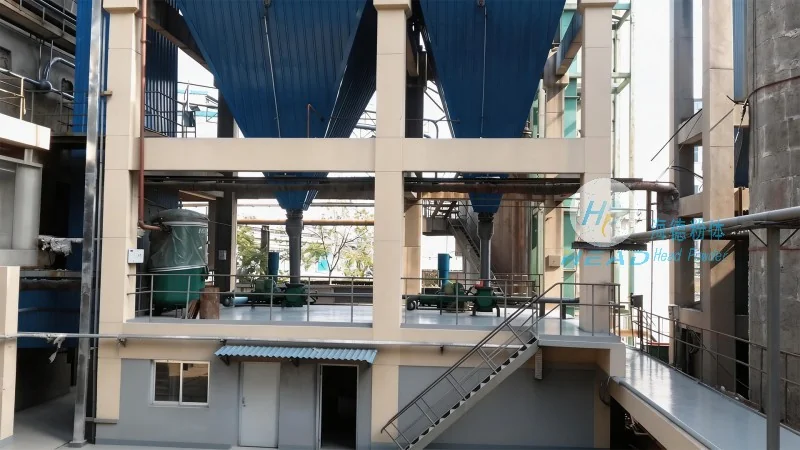
For rice storage, pneumatic conveying systems facilitate the transfer of rice between silos, warehouses, and distribution centers. This method enables seamless movement of large quantities of rice without the need for manual handling or mechanical conveyors, reducing labor costs and improving operational efficiency. The systems can be designed to handle both bulk and packaged rice, making them adaptable to various storage and distribution scenarios.
3. Food Processing and Packaging
During the final stages of rice processing, pneumatic conveying is used to transport milled rice to packaging lines. The system ensures that the rice is delivered to the packaging equipment in a controlled manner, preventing spillage and maintaining product integrity. This is particularly important for high-volume food processing operations, where consistent and efficient material handling is critical to meeting production targets.
Advantages of Using Pneumatic Conveying for Rice Grain
Implementing pneumatic conveying systems for rice grain offers several benefits that enhance operational performance and product quality:
1. Hygienic and Contamination-Free Handling
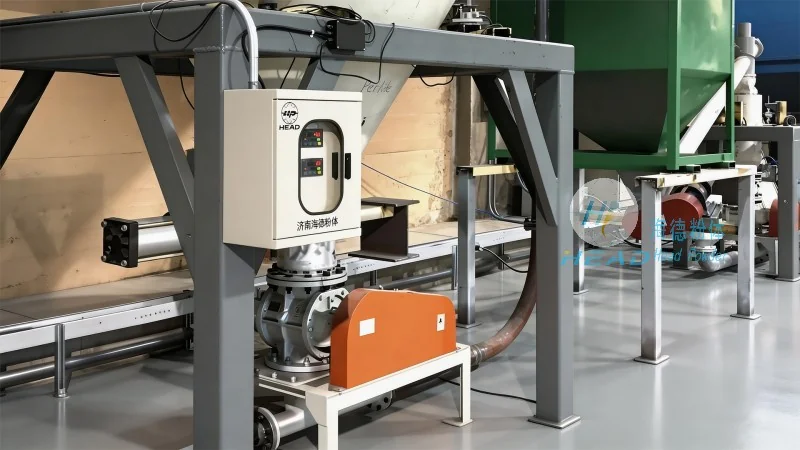
Unlike mechanical systems that may introduce contaminants through contact with moving parts, pneumatic conveying systems operate in a closed pipeline environment. This design minimizes the risk of cross-contamination and ensures that the rice remains free from dust, dirt, or other foreign materials. The enclosed system also helps maintain consistent moisture levels, which is crucial for preserving the quality of rice.
2. Reduced Material Damage
Rice grains are delicate and can be easily broken or crushed during handling. Pneumatic conveying systems use low air velocities and gentle material flow, reducing the risk of damage. This is particularly important for high-value rice varieties, where maintaining grain integrity is essential for market value.
3. Energy Efficiency and Cost Savings
Compared to traditional mechanical conveyors, pneumatic systems can be more energy-efficient, especially for long-distance transport. The ability to adjust air pressure and flow rates allows for optimization of energy consumption, leading to lower operational costs over time. Additionally, the reduced need for maintenance and replacement of mechanical parts further contributes to cost savings.
Conclusion
HeadPowder Engineering Co., Ltd., based in Shandong, China, provides comprehensive solutions for rice grain pneumatic conveying systems. By understanding the unique characteristics of rice and the operational requirements of the food processing industry, our engineers design systems that ensure efficient, hygienic, and cost-effective material handling. Whether for milling, storage, or packaging applications, pneumatic conveying offers a reliable and flexible solution for transporting rice grain. With our expertise in system design and implementation, HeadPowder helps clients optimize their operations and maintain the highest standards of product quality.




