

Principle of Joint Compound Pneumatic Conveying System
Understanding the mechanics and benefits of pneumatic conveying systems for joint compound is crucial for businesses in the construction and finishing industries. These systems efficiently transport dry, fine materials like joint compound from storage to processing or application areas, enhancing operational efficiency and safety.
Introduction to Pneumatic Conveying Technology
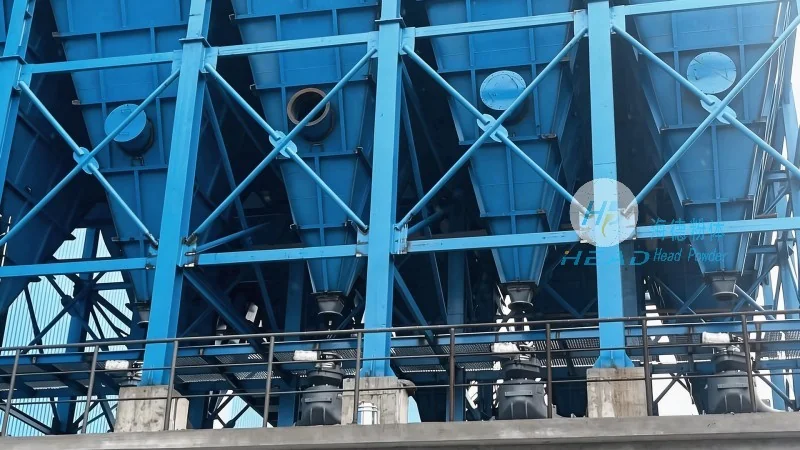
Pneumatic conveying systems utilize air pressure to move bulk materials through pipelines. For joint compound, which is a fine, powdery substance used in wall and ceiling finishing, this method offers a non-contact, dust-free solution compared to traditional methods like bucket elevators or manual handling. The system typically consists of a hopper for material storage, a blower or compressor to generate airflow, a pipeline network, and a receiving hopper or discharge point. The air flow creates a vacuum or pressure differential that pulls or pushes the material through the system, ensuring consistent and controlled transport.
Key Components of a Joint Compound Pneumatic Conveying System
The effectiveness of a pneumatic conveying system for joint compound depends on several critical components. The material hopper is designed to hold the bulk joint compound, often with a discharge valve to control the flow rate. The blower or air compressor provides the necessary air pressure, with options ranging from positive pressure (pushing material) to negative pressure (suction). The pipeline system must be constructed from materials resistant to the abrasive nature of joint compound, such as stainless steel or high-density polyethylene, to prevent wear and clogging. Additionally, a filter or cyclone separator is essential to remove any fine particles from the air before it is released, maintaining air quality and preventing contamination. The receiving hopper or discharge valve ensures the material is deposited accurately at the processing or application site.
Advantages of Using Pneumatic Conveying for Joint Compound
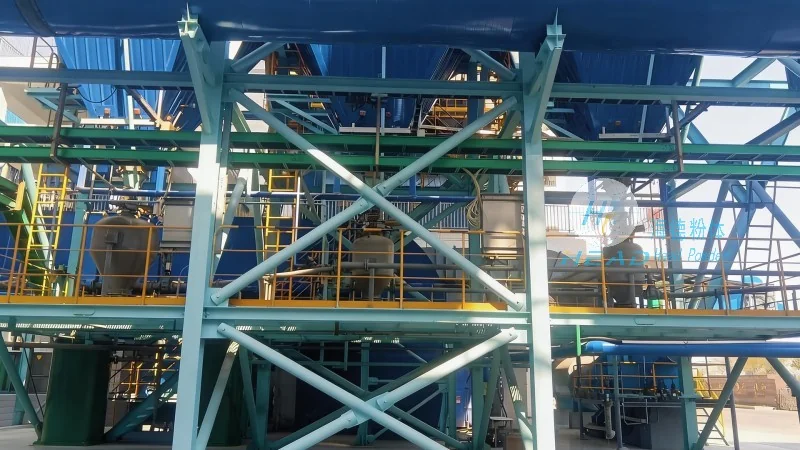
Implementing a pneumatic conveying system for joint compound offers numerous advantages over traditional transport methods. Firstly, it significantly reduces dust exposure, improving workplace safety and air quality. This is particularly important in indoor construction or renovation projects where dust can affect both workers and the surrounding environment. Secondly, the system enhances operational efficiency by automating the material transport process, reducing labor costs and minimizing downtime associated with manual handling. Thirdly, pneumatic conveying allows for precise control over material flow rates, ensuring consistent quality in the finished product. The non-contact nature of the system also prevents contamination from external sources, maintaining the purity of the joint compound. Furthermore, these systems are compact and can be integrated into existing production lines, making them suitable for both new installations and retrofitting in existing facilities.
Application Scenarios in Construction and Finishing
Pneumatic conveying systems for joint compound are widely used in various applications within the construction and finishing industry. In large-scale construction projects, such as residential or commercial buildings, these systems efficiently transport joint compound from storage silos to on-site mixing and application areas. This is especially beneficial in multi-story buildings where manual transport of heavy bags or buckets is impractical and unsafe. In manufacturing facilities, the system can connect bulk storage to production lines, ensuring a steady supply of joint compound for mixing with other additives to create custom formulations. Additionally, in renovation projects, pneumatic conveying allows for the removal of old joint compound from walls and ceilings, followed by the delivery of new material for repair or finishing, streamlining the entire renovation process.
Customization and Scalability for Different Needs
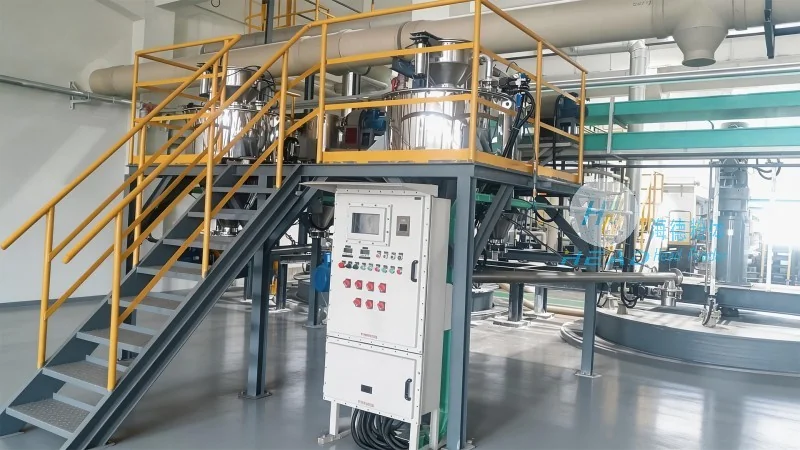
Shandong HeadPowder Engineering Co., Ltd., a leading provider of pneumatic conveying solutions, offers customized systems tailored to the specific needs of each client. The company’s expertise lies in designing systems that optimize material flow, minimize energy consumption, and ensure long-term reliability. Whether a business requires a small-scale system for a single construction site or a large-scale system for a manufacturing plant, the company can provide solutions that meet their unique requirements. The systems can be scaled up or down based on the volume of joint compound to be transported, and can be integrated with existing infrastructure or designed as a standalone unit. This flexibility ensures that clients receive a system that is both efficient and cost-effective, supporting their operational goals without compromising on quality or safety.
Conclusion: Enhancing Efficiency with Pneumatic Conveying
For businesses dealing with joint compound, pneumatic conveying systems represent a modern and effective solution to traditional material transport challenges. By leveraging air pressure to move fine materials efficiently and safely, these systems enhance workplace safety, improve operational efficiency, and maintain the quality of the product. With the expertise of companies like Shandong HeadPowder Engineering Co., Ltd., businesses can implement reliable and customized pneumatic conveying systems that meet their specific needs, ensuring long-term success in the construction and finishing industry.