

What is Alumina Pneumatic Conveying? An Introduction to the Working Principle of Powder Handling Sys
Alumina, a widely used industrial material, often requires efficient and reliable transportation methods for processing and distribution. Pneumatic conveying systems have emerged as a critical solution for handling alumina powder, offering advantages such as reduced contamination, improved safety, and enhanced operational flexibility. This article explores the concept of alumina pneumatic conveying, detailing the working principles of powder handling systems and highlighting the role of specialized engineering companies in optimizing these processes.
Understanding Alumina Pneumatic Conveying
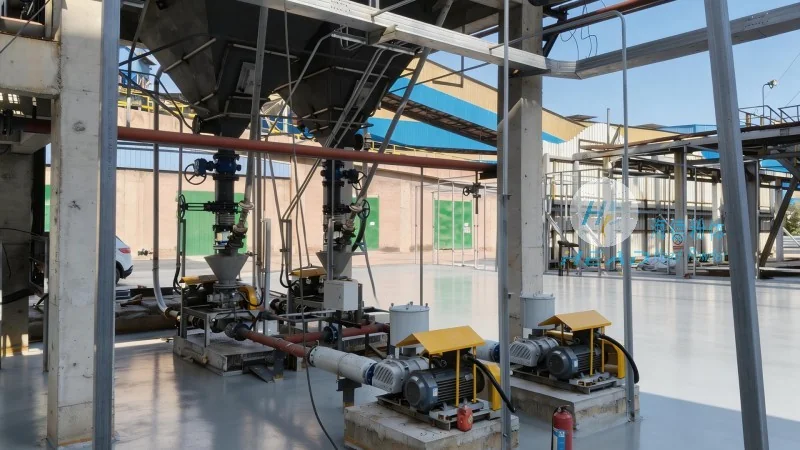
Alumina, also known as aluminum oxide, is a white or off-white crystalline powder with a high melting point and excellent thermal stability. It is commonly used in various industries, including ceramics, refractories, and chemical manufacturing. Traditional methods of transporting alumina, such as bulk bags or trucks, can be inefficient, costly, and prone to dust contamination. Pneumatic conveying addresses these challenges by using compressed air or other gases to transport the powder through a pipeline system. This method not only ensures a clean and controlled environment but also minimizes the risk of material degradation during transit.
HeadPowder: A Leader in Powder Handling Solutions
Shandong HeadPowder Engineering Co., Ltd., commonly known as HeadPowder, is a prominent company in the field of powder handling technology. Based in Shandong, China, HeadPowder specializes in designing, manufacturing, and implementing advanced pneumatic conveying systems tailored to the unique needs of industrial clients. The company's expertise lies in optimizing material flow, ensuring system efficiency, and providing comprehensive support for alumina and other powder handling applications.
The Working Principle of Pneumatic Conveying Systems
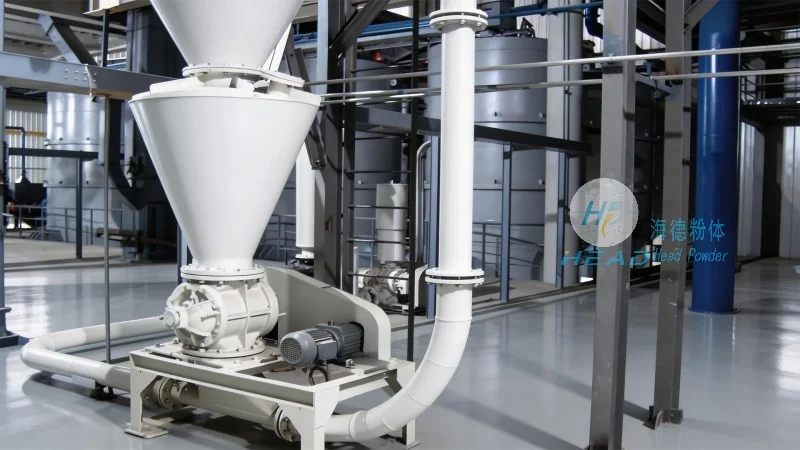
Pneumatic conveying systems operate on the principle of transporting bulk materials through a pipeline using air or gas as the conveying medium. There are two primary types of pneumatic conveying: pressure and vacuum systems. Pressure systems use compressed air to push the powder forward, while vacuum systems employ a vacuum to draw the material into the pipeline. For alumina, pressure systems are often preferred due to their ability to handle high material loads and maintain consistent flow rates.
The core components of a pneumatic conveying system include a hopper for material storage, a feeder to control the flow rate, a pipeline network, and a receiver for the discharged material. In a pressure system, the feeder releases alumina into the pipeline, where compressed air propels the powder towards the destination. The system may include additional components such as cyclones or filters to separate the powder from the air and prevent dust accumulation. This process ensures that alumina is transported safely and efficiently, minimizing the risk of spills or contamination.
Advantages of Pneumatic Conveying for Alumina
Implementing pneumatic conveying for alumina offers several key advantages over traditional methods. Firstly, it provides a closed system that prevents dust from entering the environment, reducing health risks for workers and minimizing environmental impact. Secondly, the system allows for precise control over material flow, ensuring consistent quality and reducing waste. Thirdly, pneumatic conveying can handle a wide range of alumina particle sizes and moisture content, making it versatile for various industrial applications. Additionally, the technology is scalable, allowing companies to adapt the system to changing production needs without significant modifications.
Applications and Industry Impact
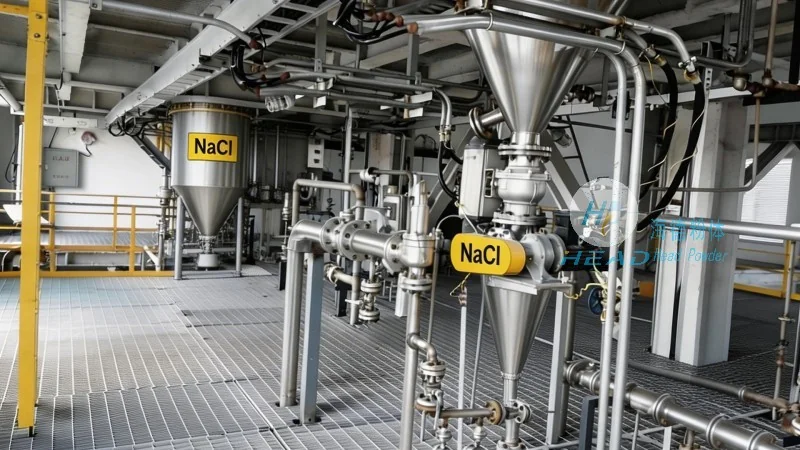
Alumina pneumatic conveying systems are widely used in industries that rely on high-purity powder handling. In the ceramics industry, for example, alumina is used to produce high-quality ceramic products, and pneumatic conveying ensures that the powder remains free from contaminants, maintaining product consistency. In the chemical industry, alumina is used as a catalyst or filler, and efficient transportation is crucial for maintaining production efficiency. The automotive and aerospace industries also benefit from alumina's properties, and pneumatic conveying systems enable seamless integration of this material into manufacturing processes.
Conclusion and Future Directions
As industries continue to demand more efficient and sustainable material handling solutions, pneumatic conveying systems for alumina will remain a vital technology. Companies like Shandong HeadPowder Engineering Co., Ltd. play a crucial role in advancing this technology by developing innovative solutions that meet the evolving needs of their clients. By leveraging the principles of pneumatic conveying, businesses can enhance operational efficiency, improve product quality, and reduce environmental impact, ensuring a competitive edge in the global market.