When it comes to efficiently transporting bulk materials like husk, understanding the mechanics of pneumatic conveying systems is crucial. This article delves into the working principles of husk pneumatic conveying, offering insights into how these systems operate and why they are a preferred choice for material handling in various industries.
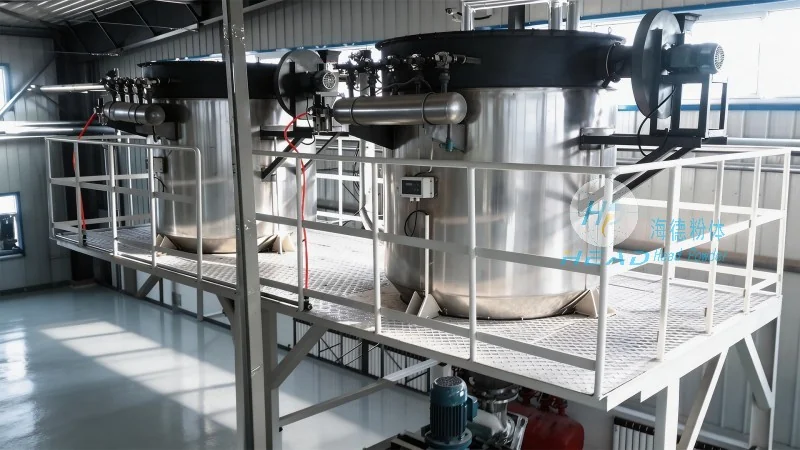
Understanding Pneumatic Conveying Systems
Pneumatic conveying, also known as air conveying, is a method of transporting solid materials through a pipeline using compressed air or other gases. In the context of husk handling, this technology is particularly effective due to the nature of the material—lightweight, dry, and often in bulk form. The system works by creating a flow of air that pulls or pushes the husk particles through the pipeline, ensuring a continuous and controlled transfer from the source to the destination.
The Working Principle of Husk Pneumatic Conveying
The core of husk pneumatic conveying lies in the interaction between the material and the air flow. The process typically involves several key components: a hopper for material storage, a conveyor line (pipeline), a blower or compressor to generate the air pressure, and a receiver or discharge point. As husk enters the hopper, it is drawn into the pipeline by the moving air stream. The air velocity is carefully controlled to ensure that the husk particles are carried along without settling or clogging the line. This method eliminates the need for mechanical components like belts or buckets, reducing maintenance and increasing operational efficiency.
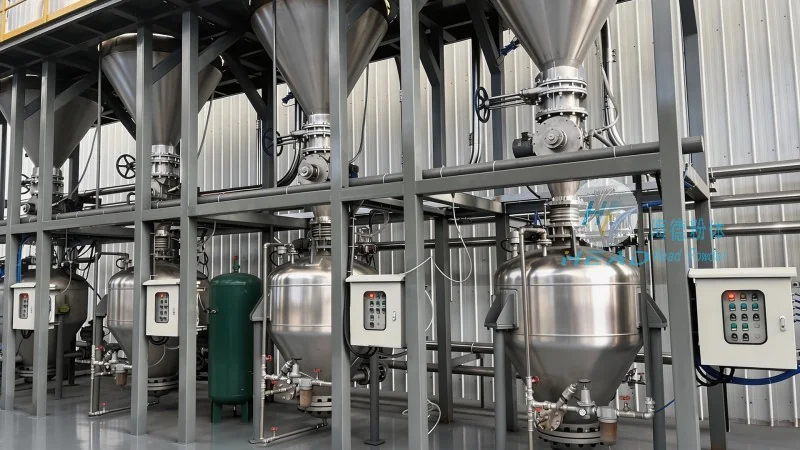
Advantages of Using Pneumatic Conveying for Husk Transport
For industries dealing with husk, pneumatic conveying offers several advantages over traditional methods. Firstly, it provides a dust-free environment, which is essential for maintaining hygiene and safety in food processing or agricultural applications. Secondly, the system is highly flexible, allowing for changes in the layout or direction of the pipeline without major modifications. Thirdly, it can handle materials with varying moisture content and particle sizes, making it versatile for different husk types. Additionally, the enclosed system minimizes material loss and contamination, ensuring that the husk remains in good condition throughout the transport process.
Applications in Different Industries
Husk pneumatic conveying is widely used across various sectors, including agriculture, food processing, and biomass energy production. In agriculture, it is used to transport husk from storage facilities to processing plants, where it may be used as animal feed or further processed into biofuels. In food processing, the system is employed to move husk from grinding or milling operations to storage or packaging areas, ensuring a clean and efficient workflow. For biomass energy companies, pneumatic conveying is critical for transporting husk to power plants, where it is used as a renewable fuel source. The adaptability of the system makes it suitable for both small-scale and large-scale operations, catering to the diverse needs of different industries.
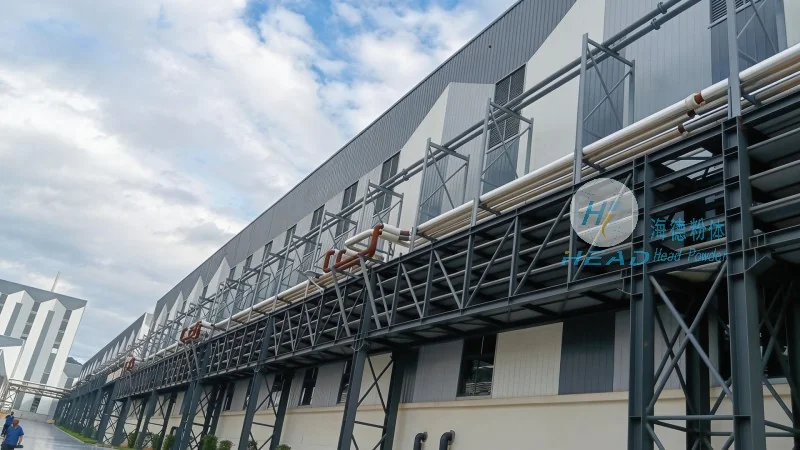
Key Components of a Pneumatic Conveying System
Each pneumatic conveying system for husk transport consists of several essential components that work in harmony to ensure smooth operation. The hopper is the starting point, where husk is stored and fed into the system. It is designed to maintain a consistent flow of material, preventing blockages and ensuring a steady supply. The pipeline, typically made of stainless steel or other corrosion-resistant materials, is the pathway for the husk and air. The blower or compressor generates the necessary air pressure, with the speed and pressure carefully regulated to match the material's characteristics. The receiver or discharge point is where the husk is deposited, often equipped with filters or cyclones to separate any remaining air from the material. These components are designed to work together seamlessly, minimizing downtime and maximizing efficiency.
Operational Considerations and Maintenance
While pneumatic conveying systems offer numerous benefits, proper operation and maintenance are crucial for optimal performance. Regular checks of the blower or compressor are essential to ensure that the air pressure remains within the required range. The pipeline should be inspected for any signs of wear or damage, as leaks can reduce efficiency and cause material loss. Cleaning the system, especially the filters and cyclones, is also important to prevent clogging and maintain the quality of the husk. Additionally, monitoring the flow rate and air velocity helps in identifying any issues early on, allowing for timely adjustments. By adhering to these operational guidelines, users can ensure that their husk pneumatic conveying system operates at peak efficiency, reducing costs and maximizing productivity.




