

What is Winery Slurry Pneumatic Conveying? An Introduction to the Working Principle of Powder Handli
Pneumatic conveying has emerged as a critical technology in the food and beverage industry, particularly for handling challenging materials like winery slurry. This process involves transporting powders or bulk materials through a pipeline using compressed air or other gases. For wineries, efficiently managing slurry—the byproduct of grape processing—is essential for maintaining operational efficiency and compliance with environmental regulations. The application of pneumatic conveying systems in this context not only streamlines material transport but also enhances safety and reduces labor costs.
Understanding Pneumatic Conveying Systems
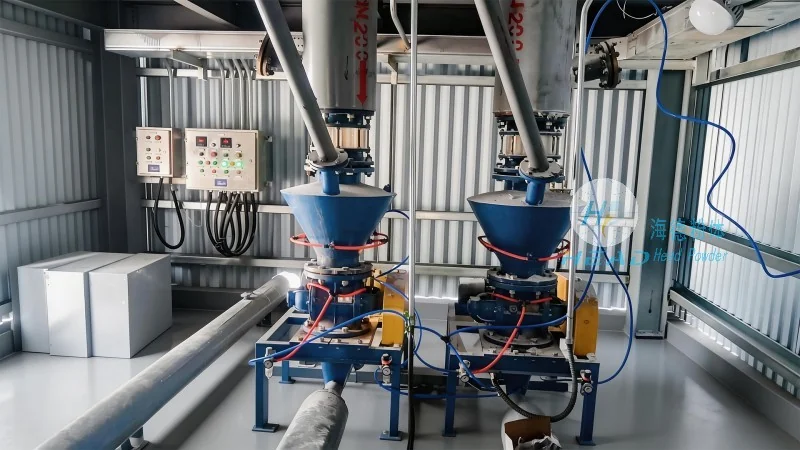
At its core, a pneumatic conveying system consists of several key components that work in tandem to move materials. The primary elements include a hopper or feeder for material storage, a conveying line (usually made of stainless steel or other corrosion-resistant materials), a blower or compressor to generate the necessary air pressure, and a receiver or discharge unit to collect the material at the destination. The system operates by introducing the material into the conveying line, where it is suspended and carried by the moving air stream. This method allows for both positive and negative pressure operation, depending on the specific requirements of the material and the system design.
Key Components and Working Principle
The working principle of pneumatic conveying for winery slurry is based on the interaction between the material particles and the air flow. When the slurry is introduced into the system, it is broken into smaller droplets or particles, which are then entrained by the high-velocity air. The air pressure and velocity are carefully controlled to ensure that the material is transported without clogging or degradation. For winery slurry, which is often viscous and contains solids, specialized equipment such as rotary valves, airlocks, and cyclone separators may be used to maintain system efficiency. These components help in regulating the flow rate, preventing material buildup, and separating the slurry from the air stream for proper disposal or reuse.
Application in Winery Slurry Handling
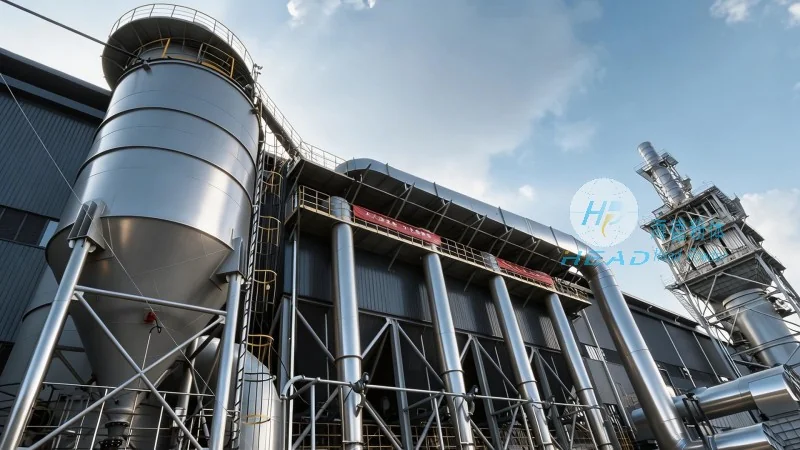
Wineries face unique challenges when it comes to handling slurry, including its high moisture content, variable consistency, and potential for odor. Traditional methods like manual handling or truck transport are often inefficient and environmentally unfriendly. Pneumatic conveying offers a solution by enabling the transport of slurry over long distances with minimal human intervention. This is particularly useful in large-scale wineries where slurry needs to be moved from the crushing and pressing areas to storage tanks or treatment facilities. The system can handle slurry in various states, from wet to semi-dry, and can be integrated with other processing equipment to form a complete material handling solution.
Benefits and Advantages of Pneumatic Conveying for Winery Slurry
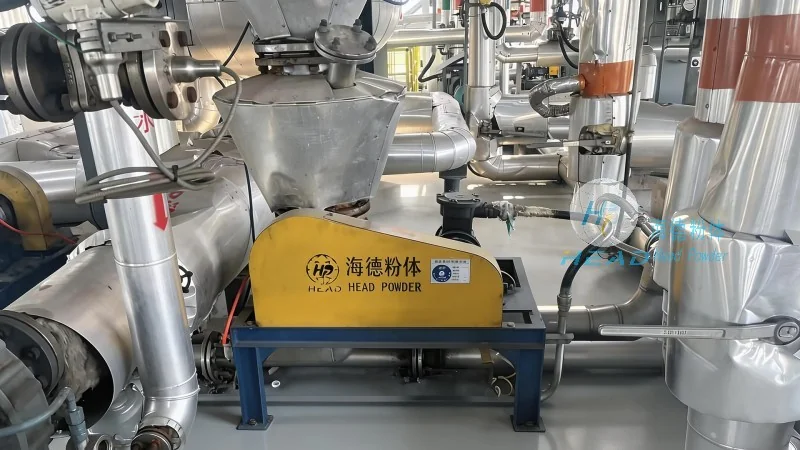
The adoption of pneumatic conveying systems in winery slurry management brings numerous benefits. Firstly, it significantly reduces labor costs by automating the material transport process. Instead of relying on manual labor to move heavy and potentially hazardous slurry, the system operates continuously with minimal supervision. Secondly, it enhances safety by eliminating the need for workers to handle the material directly, reducing the risk of exposure to pathogens or chemicals. Thirdly, the system is highly efficient in terms of energy consumption and material recovery. By recycling the air used in the conveying process, wineries can achieve better energy efficiency and reduce waste. Additionally, the use of stainless steel components ensures that the system is resistant to corrosion and easy to clean, meeting the stringent hygiene standards required in the food and beverage industry.
Company Profile: Shandong HeadPowder Engineering Co., Ltd.
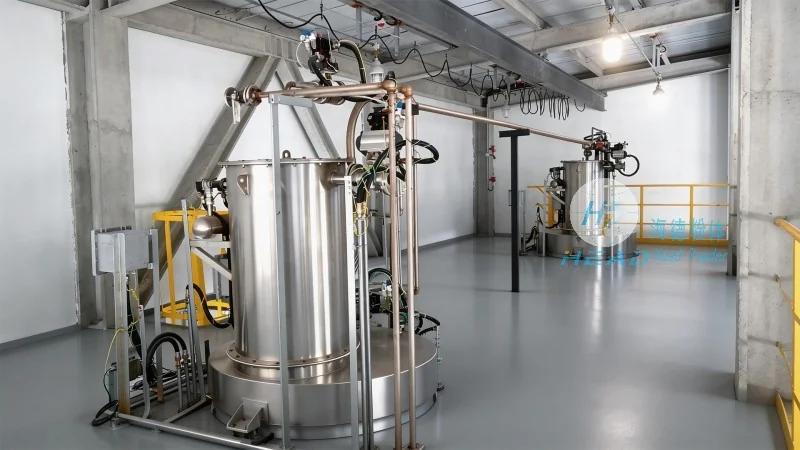
As a leading provider of powder handling solutions, Shandong HeadPowder Engineering Co., Ltd. specializes in designing and manufacturing customized pneumatic conveying systems tailored to the needs of the food and beverage industry. With a focus on innovation and quality, the company has developed advanced technologies to handle challenging materials like winery slurry. HeadPowder's expertise lies in understanding the unique requirements of each client and providing solutions that optimize material transport, reduce operational costs, and improve overall efficiency. The company's facilities are located in Shandong, China, where it leverages local resources and expertise to deliver high-quality products and services to clients worldwide.
Contact Information and Location
For businesses seeking to implement pneumatic conveying systems for winery slurry management, Shandong HeadPowder Engineering Co., Ltd. offers comprehensive support and consultation services. The company's headquarters is situated in Shandong, China, providing a strategic location for serving clients in the region and beyond. By contacting HeadPowder, wineries can access expert advice on system design, installation, and maintenance, ensuring that their material handling needs are met effectively and efficiently.